What It Is
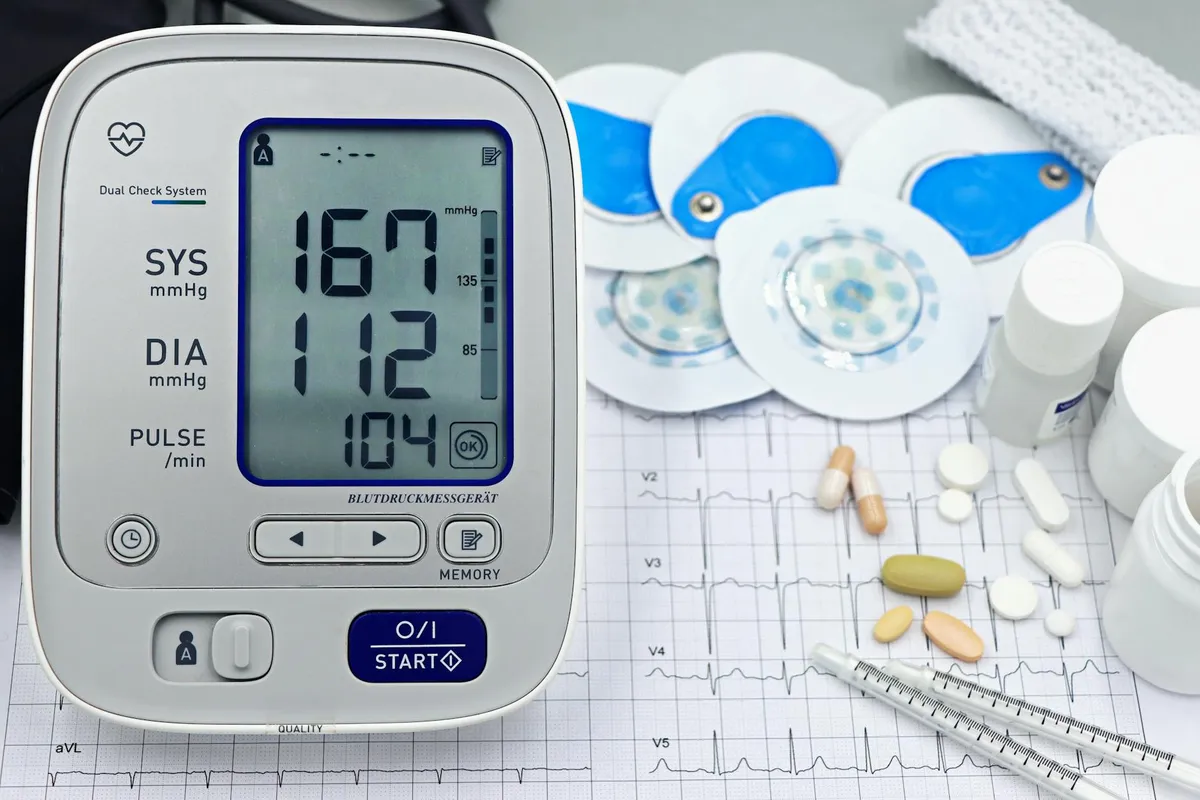
Hypertension means persistently elevated force of blood against artery walls, raising heart risk
Understanding your blood pressure before symptoms speak up
At a glance
What It Is
Hypertension means persistently elevated force of blood against artery walls, raising heart risk
How It Presents
Often symptom-free early on; some notice headaches, fatigue, or occasional nosebleeds over time
What May Help
Diet shifts, mind-body practices, and stress reduction may support healthier blood pressure levels
Evidence Context
Strong evidence supports lifestyle approaches as meaningful complements to conventional medical care
See the evidence snapshotWhen to Seek Help
Chest pain, sudden weakness, or severe breathlessness need urgent medical attention right away
Explanation
Hypertension occurs when the force of blood against artery walls remains consistently elevated, placing added strain on the heart and blood vessels over time. It is influenced by factors such as genetics, diet, physical activity, stress, sleep quality, and metabolic health. Because symptoms are often absent in the early stages, the condition may go unrecognized without routine monitoring. Conventional care typically involves risk assessment and medical management to support healthy circulation. Lifestyle strategies, including a diet lower in sodium, regular physical activity, stress management practices, and adequate sleep, may also play an important role in supporting blood pressure regulation. Complementary approaches are best used alongside appropriate medical supervision.
Could this be you
Hypertension shows up differently for everyone. Browse by how it tends to be felt — these are common experiences, not a checklist or a diagnosis.
Common experiences people describe — not a diagnostic checklist.
Why it happens
Hypertension usually comes from a mix of factors rather than a single cause. These are common contributors — not certainties.
Genetic factors and family history may raise the likelihood of developing high blood pressure over time.
Chronic stress may activate hormonal pathways that contribute to sustained elevations in blood pressure.
Sedentary habits, excess weight, smoking, and high sodium intake are commonly linked to higher blood pressure.
Poor or disrupted sleep may negatively affect blood pressure regulation overnight and during the day.
What happens in the body
Hypertension can involve several of the body’s systems. These are common patterns researchers describe — how they show up varies from person to person.
Sustained pressure against arterial walls may cause vessels to stiffen and the heart to work harder, gradually increasing strain on cardiac muscle.
Hormones such as aldosterone and angiotensin may contribute to fluid retention and vessel constriction, influencing how blood pressure is regulated.
Elevated sympathetic nervous system activity may raise heart rate and vessel tone, contributing to persistently higher blood pressure readings over time.
Low-grade vascular inflammation may play a role in arterial stiffness and endothelial dysfunction, though the precise contribution is still being studied.
Process
Management
A doctor may discuss options such as ACE inhibitors, ARBs, beta-blockers, or diuretics based on individual cardiovascular profile and blood pressure targets.
Dietary approaches emphasizing vegetables, legumes, whole grains, and reduced sodium may support healthy blood pressure levels over time.
Transcendental meditation, yoga, and qi gong are among the practices some people find helpful for reducing physiological stress responses associated with elevated blood pressure.
Regular moderate aerobic activity and movement-based practices like tai chi may support cardiovascular function and blood pressure regulation as part of a broader lifestyle approach.
Working with a health coach or lifestyle medicine practitioner may help individuals build sustainable habits around nutrition, movement, sleep, and stress reduction relevant to blood pressure management.
Self-Care
Aim for 30 minutes of moderate aerobic activity, such as brisk walking or cycling, most days of the week. Regular movement may support healthier blood pressure over time.
Reducing sodium, processed foods, and saturated fats while increasing vegetables, fruits, and whole grains may support healthy blood pressure levels.
Practices like meditation, yoga, tai chi, or slow breathing may help lower stress hormones that some practitioners suggest contribute to elevated blood pressure.
Poor or irregular sleep is associated with higher blood pressure readings. Aiming for seven to nine hours nightly may support better cardiovascular health.
Regular home monitoring helps you and your doctor see patterns over time. Some people find that awareness of their readings supports better engagement with lifestyle changes.
The Evidence
What research says about hypertension, lifestyle approaches, and where complementary care fits alongside conventional management.
Well-researched condition with clear lifestyle and medical pathways
Hypertension is one of the most studied cardiovascular conditions, with strong evidence supporting both medical management and lifestyle modification. Complementary approaches show emerging support when used alongside, not instead of, conventional care.
Medical management of elevated blood pressure is supported by decades of large-scale research. Physical activity, reduced sodium intake, and weight management each have strong evidence for supporting healthy blood pressure. Complementary approaches such as mindfulness, acupuncture, and yoga show promising but more limited evidence, and are best considered as supportive additions to a broader care plan.
Conventional care focuses on identifying cardiovascular risk, monitoring blood pressure over time, and reducing strain on the heart and vessels. Medical management may be recommended depending on readings and individual risk profile. Lifestyle factors including diet, physical activity, sleep, and stress are recognised as meaningful contributors to blood pressure regulation and are often addressed alongside any medical plan.
Practices such as mindfulness, meditation, yoga, tai chi, and acupuncture have been studied for their potential to support cardiovascular wellbeing, particularly through stress reduction and nervous system regulation. Evidence varies across modalities and is generally considered emerging rather than definitive. These approaches are most appropriately used alongside, not as a substitute for, professional assessment and any recommended medical management.
A diet lower in sodium and higher in vegetables, wholegrains, and potassium-rich foods is associated with better blood pressure outcomes. Regular moderate physical activity, maintaining a healthy weight, limiting alcohol, and prioritising sleep quality are all recognised as relevant. Chronic stress and poor sleep may contribute to sustained sympathetic nervous system activation, which can influence blood pressure regulation.
Seek emergency care for sudden chest pain or pressure, severe headache of sudden onset, fainting, sudden vision loss, arm or jaw pain, or severe shortness of breath. These may indicate a serious cardiovascular event. Prescribed medications for blood pressure should not be stopped abruptly without medical guidance. If readings are unexpectedly high or symptoms are new, contact a healthcare professional promptly.
If you are exploring complementary approaches alongside medical management, inform all practitioners involved in your care. Some supplements and herbal preparations may interact with cardiovascular medications. A qualified practitioner can help tailor lifestyle and complementary strategies to your individual circumstances. Gyfts does not replace professional assessment — it supports informed discovery of options worth exploring with your care team.
Safety first
Hypertension is manageable, and support helps. Some situations call for prompt professional help.
Explore approaches
Practices people explore for hypertension — alongside professional care.
FAQ
Yes, and the evidence here is strong. Reducing sodium, increasing movement, and managing stress may support meaningful blood pressure improvements. These changes work best alongside, not instead of, any care your doctor recommends.
Practices like Tai Chi, yoga, Qi Gong, and Transcendental Meditation may support lower blood pressure by reducing stress hormones. Some people find regular practice helps them feel calmer and more in control of their cardiovascular health.
Diet is one of the most studied lifestyle factors in hypertension. Plant-based and low-sodium eating patterns may support healthier readings. A nutrition professional can help tailor an approach to your specific situation and health history.
Always consult a doctor before making changes if you take blood pressure medication. Chest pain, fainting, or sudden vision changes need urgent care. Holistic approaches are best used to complement, not replace, medical evaluation and treatment.
Very common. Many people find the diagnosis more distressing than any physical symptom. Health coaching or stress-reduction practices may help with that anxiety, and talking openly with your doctor about your concerns is always a good first step.
Keep exploring
Browse practitioners, explore honest overviews, and take what you learn to a conversation — at your own pace.