The Living Medicine of Indigenous Nations
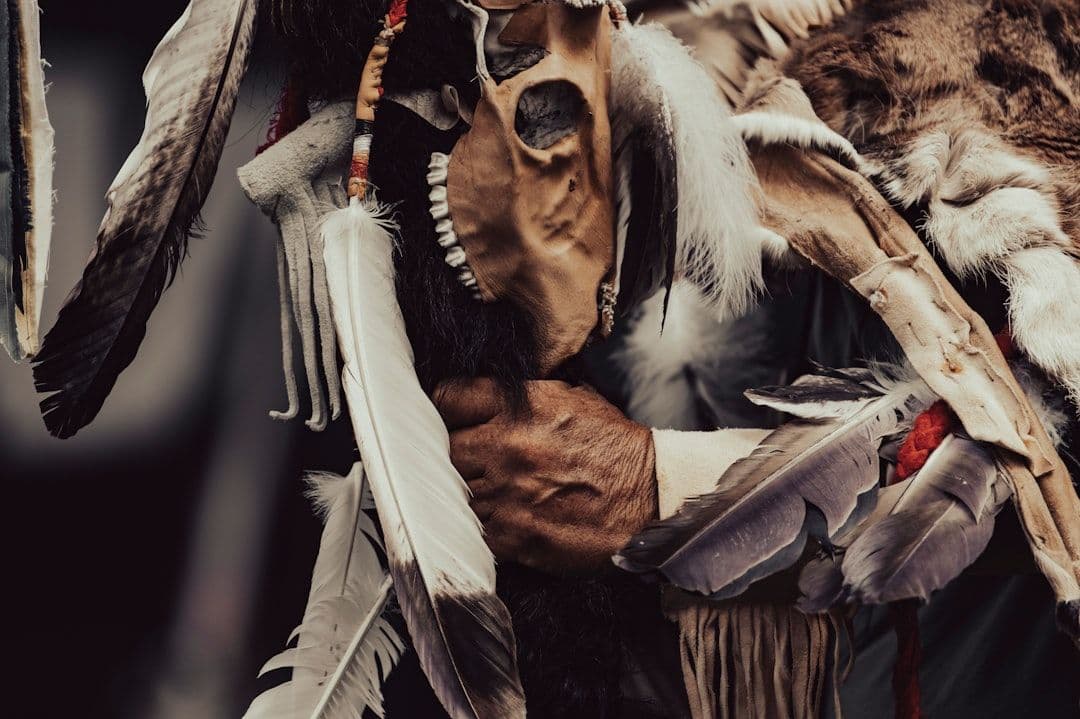
In a small ceremonial lodge, sweetgrass smoke carries prayers skyward whilst an elder's hands work with herbs gathered at dawn. This scene unfolds across Indigenous communities throughout North America, as it has for countless generations. Native American healing encompasses the diverse traditional practices of hundreds of distinct Indigenous nations — from the medicine wheels of Plains tribes to the plant ceremonies of Southwestern peoples.
These are not museum pieces or historical curiosities. They are living traditions, continuously practised and refined by Indigenous communities who have never stopped being the stewards of this knowledge. Each nation brings its own understanding: Cherokee medicine focuses on the harmony of opposing forces, Navajo healing emphasises walking in beauty and balance, whilst Lakota traditions centre on the sacred hoop of life.
What unites these diverse approaches is a fundamental understanding that healing involves the whole person within their community and environment. Physical symptoms are viewed as expressions of deeper imbalances that may be spiritual, emotional, or relational in nature.
Roots in Sacred Relationship
These healing traditions emerged from thousands of years of intimate relationship with specific landscapes and their plant, animal, and mineral inhabitants. Indigenous peoples developed sophisticated understanding of local ecosystems, identifying which plants offered medicine, when to gather them, and how to prepare them for maximum benefit.
But Native American healing extends far beyond herbal medicine. It encompasses ceremony, song, dance, storytelling, and communal support. Many traditions recognise that illness can stem from spiritual disconnection, broken relationships, or trauma passed down through generations. Healing therefore becomes a community endeavour, with ceremonies designed to restore the person's connection to their family, ancestors, and the natural world.
Each tradition maintains its own protocols, languages, and sacred sites. The Cherokee have their own distinct plant knowledge and ceremonial practices, different from those of the Hopi or the Ojibwe. This diversity reflects the deep rootedness of these traditions in specific places and peoples.
How Sacred Medicine Works
Within Indigenous frameworks, healing occurs through the restoration of balance and harmony. Many traditions understand health as flowing from right relationship — with oneself, one's community, ancestors, and the natural world. When these relationships become disrupted, illness can manifest on physical, emotional, or spiritual levels.
Practitioners, often called medicine people or healers, work to identify the source of imbalance. This might involve divination, dream work, or consultation with plant and animal spirits. Treatment typically combines multiple approaches: herbal medicines prepared according to traditional methods, purification ceremonies using sage or cedar, healing songs and prayers, and community support.
Some practices work with what Western science would recognise as pharmacologically active compounds — willow bark for pain relief, or echinacea for immune support. Others operate through psychological and social mechanisms: the profound sense of being held by community during ceremony, the meaning-making that comes through ritual, or the nervous system regulation that occurs through drumming and chanting.
Many healing practices explicitly work with spiritual dimensions that lie outside biomedical understanding. These might include soul retrieval, the removal of spiritual intrusions, or ceremonies to honour and heal ancestral trauma.
What to Expect in Traditional Healing
Authentic Native American healing rarely occurs as individual appointments in clinical settings. Instead, healing unfolds within community contexts, often through ceremonies that may last hours or days. A traditional healing process might begin with consultation, where the medicine person learns about your situation through conversation, observation, or spiritual guidance.
Purification often comes first — perhaps through smudging with sacred plants or sweat lodge ceremony. The healing work itself varies enormously: it might involve receiving specific plant medicines prepared according to traditional methods, participating in singing or drumming circles, or undergoing ceremonial practices specific to that tradition.
Community plays a central role. Family members might be included in healing ceremonies, recognising that individual illness often reflects broader family or community imbalances. Some healing requires ongoing relationship — returning for seasonal ceremonies, learning traditional songs, or taking on responsibilities within the community.
The timeline differs markedly from conventional treatment. Some healing unfolds immediately through ceremony, whilst other conditions require seasonal attention spanning years. The focus remains on long-term restoration of balance rather than quick symptom relief.
Understanding Through Indigenous Knowledge
Native American healing traditions represent complete knowledge systems with their own methods of understanding effectiveness. Rather than randomised controlled trials, these traditions evaluate healing through community observation across generations, the dreams and visions of medicine people, and the sustained wellbeing of community members.
Many practices have been validated through centuries of careful observation and refinement. Indigenous communities developed sophisticated understanding of plant interactions, seasonal timing for treatments, and the relationship between ceremony and healing outcomes. This knowledge was tested through the survival and thriving of communities over millennia.
Some aspects of traditional medicine align with contemporary research — the anti-inflammatory properties of certain plants, the community support factors that promote healing, or the nervous system benefits of rhythmic practices. But much of Indigenous healing works through spiritual and energetic dimensions that Western science doesn't currently measure.
Rather than seeing this as a limitation, many Indigenous practitioners view it as a strength. Their healing systems address aspects of human experience — relationship with land, ancestors, and spirit — that biomedicine largely overlooks.
Finding Authentic Practice and Guidance
Approaching Native American healing requires exceptional cultural sensitivity and respect. These are not generic wellness practices but sacred traditions belonging to specific Indigenous communities. Many ceremonies and plant medicines are restricted to tribal members or require years of preparation and initiation.
Non-Indigenous people seeking authentic guidance should look for recognised Indigenous practitioners who are known and respected within their own communities. Be wary of anyone offering "shamanic" services or claiming to teach ancient secrets in weekend workshops. Authentic medicine people typically don't advertise their services or make grandiose claims.
Some Indigenous practitioners do work with non-Native people, but this usually requires proper introduction, cultural education, and long-term commitment to learning respectfully. Costs vary widely, as many traditional healers work through gift economies rather than set fees. Some accept donations, whilst others might ask for specific offerings or community service.
If you're drawn to Indigenous healing approaches, consider starting by supporting Indigenous-led organisations, learning about the history and ongoing struggles of local Native communities, and approaching any potential healing relationship with humility and respect for the profound cultural context from which these practices emerge.