What it is
An Indigenous healing tradition blending herbs, ceremony, and spirit to care for the whole person.
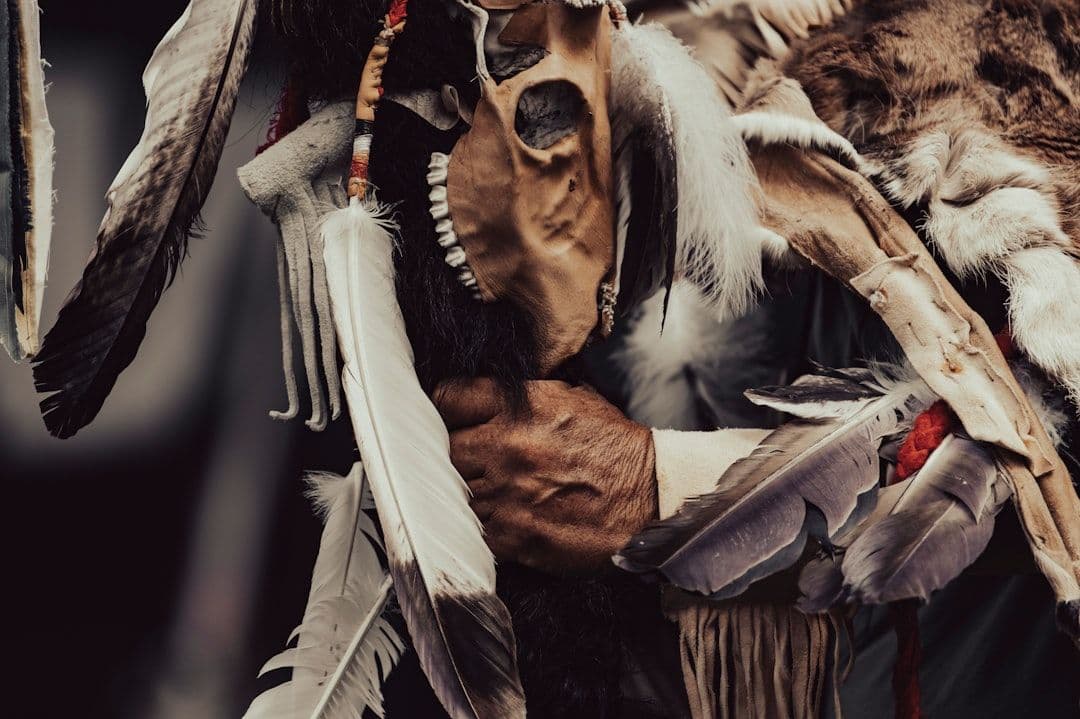
Native American healing encompasses traditional practices, ceremonies, herbal medicine, and spiritual rituals developed and refined by In...
At a glance
What it is
An Indigenous healing tradition blending herbs, ceremony, and spirit to care for the whole person.
Why explore it
People turn to it for stress, grief, or chronic conditions, drawn to its whole-person, spirit-rooted approach.
How it’s experienced
You may talk with a healer, receive plant remedies, or join ceremony—each shaped by the practitioner's tradition.
Evidence context
Centuries of Indigenous wisdom back these practices, though formal clinical research remains limited so far.
See the evidence snapshotSafety
Generally safe with a knowledgeable healer—share your medications, since some herbs may interact with them.
See staying safeHistory & Origin
Native American encompasses healing practices and traditions rooted in the cultures of Native American communities.
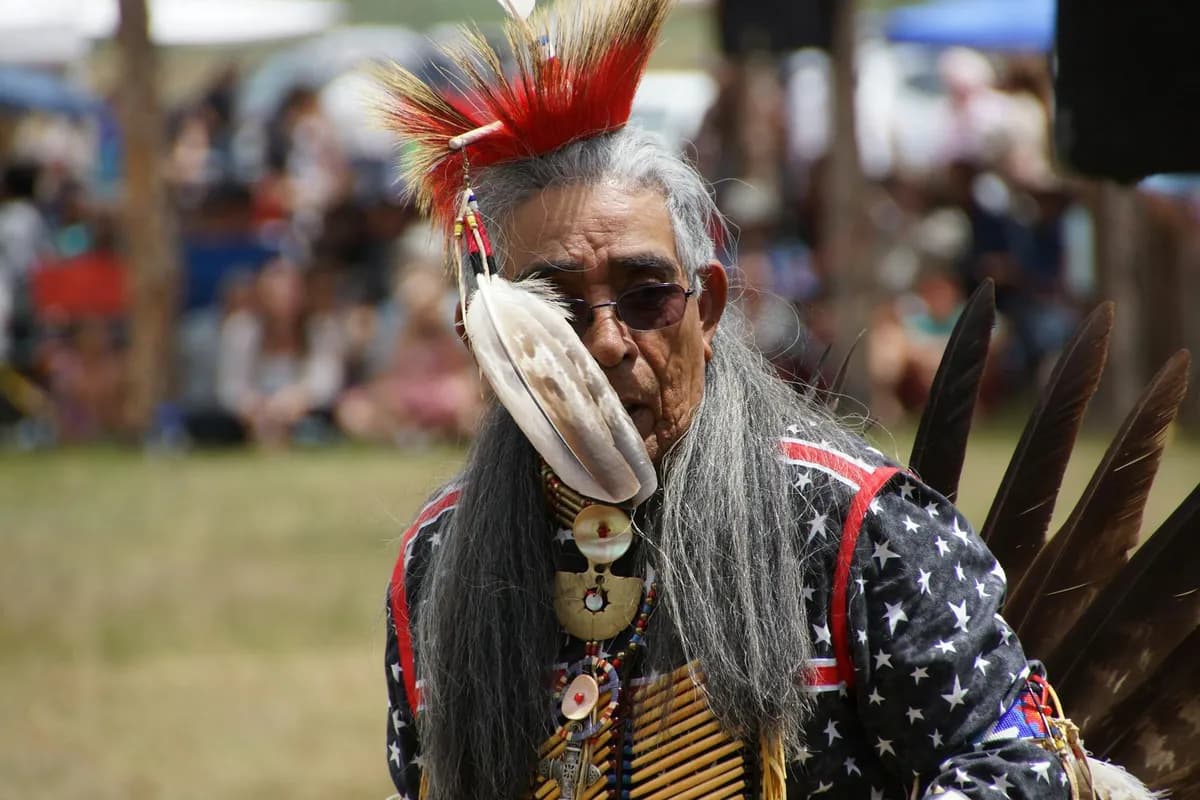
Native American healing traditions represent some of the oldest continuous medical systems in North America, developed over thousands of years by diverse Indigenous nations including the Cherokee, Navajo, Lakota, Hopi, and countless others. Each nation developed distinct healing practices adapted to their geographical environment, available plants, and spiritual worldview, creating a rich tapestry of complementary approaches rather than a single unified system. These traditions were transmitted orally through generations, with healers, medicine people, and elders serving as keepers of knowledge about medicinal plants, ceremonies, and healing protocols.
Traditional Native American healing is fundamentally based on a worldview that sees humans as inseparable from nature and the spiritual realm. Illness is often understood as an imbalance or disconnection—physical, emotional, spiritual, or relational—rather than merely a localized symptom. Treatment approaches therefore address the whole person and their relationship to community and environment. Common elements across many traditions include the use of native medicinal plants, sweat lodges, talking circles, vision quests, smudging ceremonies, and work with healers who possess extensive knowledge of healing practices.
During the colonial period and subsequent centuries, many Native American healing practices were suppressed, and Indigenous peoples faced severe restrictions on their ability to practice traditional medicine. Despite these obstacles, many communities maintained their healing traditions and have worked to revitalize and document these practices in recent decades. Contemporary Native American healing increasingly exists alongside conventional medicine, with some practitioners and communities integrating both approaches. The revival of these traditions represents both cultural preservation and a growing recognition of their value in promoting holistic health and wellness.
Mechanism
Native American is a broader health tradition or knowledge system rather than a single technique. Practitioners may draw on cultural teachings, observation, lifestyle guidance, ritual, remedies, bodywork, or community practice. Its working model should be described in its own traditional context and not overstated as biomedical proof. People may explore it for cultural continuity, reflection, and supportive wellbeing practices. Native American healing integrates herbal medicine, ceremonial practices, and spiritual rituals grounded in thousands of years of Indigenous knowledge across diverse nations including Cherokee, Navajo, Lakota, and Hopi communities.
Your first visit
A typical session outline to help you feel prepared
A Native American healing session blends conversation, ceremony, and traditional practices to support your whole self — body, mind, heart, and spirit.
You'll be greeted warmly and invited into a calm, often ceremonially prepared space. The healer may offer a moment of quiet or a brief prayer to open the session with intention.
The healer asks about your physical health, emotions, relationships, and spiritual life, because all are seen as connected. There are no wrong answers — share only what feels comfortable.
The healer may burn sacred herbs like sage, cedar, or sweetgrass and gently fan the smoke around you to cleanse your energy before deeper work begins. You may notice a warm, earthy scent filling the space.
Drawing on your conversation and their traditional knowledge, the healer identifies where harmony may be disrupted in your life. This is less like a diagnosis and more like a story being understood together.
Depending on their tradition, the healer may use herbal remedies, a talking circle, drumming, rattling, prayer, or hands-on touch to support your well-being. You are encouraged to breathe, stay presen
After the main practice, the healer invites you to share what you felt or noticed. This exchange is considered part of the healing itself, not just a debrief.
You may leave with specific instructions such as teas or plant medicines to prepare, prayers to say, behavioral changes to consider, or relationships to tend. These home practices are seen as essentia
The session closes with a prayer or words of gratitude, and you'll discuss whether follow-up visits make sense for you. Most people feel a quiet sense of calm or emotional openness afterward.
The Evidence
What research and tradition tell us about Native American healing practices, and where the evidence is strong, limited, or still emerging.
Thousands of years of practice; formal research remains limited
Native American healing traditions carry deep accumulated knowledge across diverse Indigenous nations, but rigorous clinical research is sparse. Some individual plants used in these traditions have been studied; the integrated healing systems themselves have not.
Clinical trials on integrated Native American healing systems are rare. Research has focused mainly on individual medicinal plants historically used by Indigenous peoples, such as echinacea and black cohosh. Evidence for whole-system practices, ceremonies, and community-based healing is largely observational or qualitative. Claims beyond what this evidence supports should be viewed with caution.
Native American healing is not a single system but a diverse collection of practices developed by nations including Cherokee, Navajo, Lakota, and Hopi, each adapted to their environment and worldview. Knowledge was transmitted orally through healers and elders. The absence of formal clinical study does not diminish the depth or coherence of these traditions within their own frameworks.
Certain ceremonies and healing practices are specific to particular nations or communities and may not be appropriate for people outside those traditions. Seeking support from a knowledgeable, community-connected practitioner is important. Approaching these traditions with respect for their cultural origins supports more authentic engagement and helps honour the integrity of each nation's living knowledge.
Native American healing views individual wellbeing as inseparable from community and the natural world. Practices such as talking circles, plant medicine, and ceremony are used to address imbalance across multiple dimensions of a person's life. Some research suggests community-based and culturally grounded approaches may support emotional wellbeing and stress reduction, though evidence remains early-stage.
If you have a diagnosed condition managed with medication, consult your doctor before using herbal remedies, as some plants may interact with medications. Ensure any practitioner is knowledgeable about safe plant identification and preparation. Do not delay or avoid professional medical assessment for serious or acute symptoms. Practitioners making inflated outcome claims or discouraging conventional care for serious conditions are a concern.
These traditions span hundreds of distinct nations, each with their own ceremonies, plant knowledge, and community-embedded healing roles — they are not a single interchangeable wellness resource. They are not a substitute for professional assessment of serious physical or mental health conditions. Where conventional care is needed, the community focus, ceremonial structure, and relational depth of these practices may offer meaningful additional support for emotional and spiritual wellbeing alongside it.
Safety first
General guidance to help you decide whether this approach is appropriate for you. This is informational only and not a substitute for medical, psychological, or professional advice.
If you are pregnant, managing a health condition, recovering from injury or surgery, or taking medication, consult a qualified healthcare professional first.
Some situations call for extra care or a different approach. Share any conditions, injuries, or sensitivities with your practitioner before your first session.
Look for clear boundaries, transparent pricing, and practitioners who avoid fear-based claims or pressure to book frequent sessions.
Mild, short-lived effects such as tenderness, tiredness, or temporary soreness can occur. Rest, hydrate, and tell your practitioner how you respond.
For you?
A simple, human way to weigh it up. This is general guidance, not personal medical advice — a qualified practitioner can advise on your situation.
Gyfts is a discovery platform, not a medical provider. Nothing here diagnoses, treats or replaces professional care. In an emergency, contact your local emergency number.
Explore approaches
Other practices people often explore alongside native american.
In their words
FAQ
Native American healing traditions are deeply spiritual but are distinct from religion as typically understood. While they involve spiritual practices and worldviews, they are healing systems that can complement various personal belief systems. Some practitioners and clients integrate these traditions with their own spiritual or religious practices. The spiritual dimension is considered essential to health but is not about converting to a specific faith.
Yes, many practitioners encourage integration with conventional care. Inform both your conventional healthcare provider and your healer about all treatments you're receiving. For serious conditions, conventional medicine should typically be maintained, with complementary healing supporting overall wellness. Always discuss any herbal remedies with your doctor to check for interactions with medications.
Timeline varies significantly depending on the condition, the specific practices used, and individual factors. Some people report feeling more relaxed or centered after a single session, while addressing chronic conditions or deep emotional patterns may require weeks or months of consistent engagement. Many traditions view healing as an ongoing process of gradually rebalancing rather than a quick fix.
There is no single licensing or certification system for Native American healers, as traditions vary by nation and community. Look for practitioners with training from their own or respected Indigenous communities, years of experience, and knowledge of medicinal plants and safety. Ask about their background, training lineage, and approach. Be cautious of those claiming to be experts in multiple unrelated traditions or those who commercialize sacred practices.
Traditional herbal remedies used appropriately by knowledgeable practitioners are generally safe, but like all medicines, they can have effects and interactions. Plants are bioactive and should be treated with the same respect as pharmaceuticals. Always ensure the practitioner properly identifies plants, understands dosing, and knows about potential interactions with medications or conditions. Report any adverse effects immediately.
Smudging is a ceremonial practice of burning sacred herbs (traditionally sage, cedar, sweetgrass, or tobacco depending on the tradition) and using the smoke for spiritual cleansing and intention-setting. The practice is believed to clear negative energy, promote spiritual connection, and prepare space for healing. The mechanism is understood in spiritual rather than scientific terms, though some research suggests aromatic plants may have mood-affecting properties.
Many people find Native American healing practices helpful for stress, anxiety, grief, and emotional challenges, particularly when integrated with conventional mental health care. The emphasis on connection, community, and spiritual meaning can be valuable for emotional well-being. However, serious mental health conditions like depression, bipolar disorder, or psychosis require professional mental health treatment and should not be treated with complementary approaches alone.
Non-Native people can respectfully engage with Native American healers and learn from these traditions, particularly when working directly with Indigenous practitioners and communities. This supports Indigenous peoples and ensures cultural authenticity. However, some specific practices and ceremonies are sacred to particular nations and are not open to outsiders. Respectful engagement means asking what is appropriate, honoring boundaries, and supporting Indigenous communities economically and politically.
References
Educational sources that inform this overview. Inclusion is for context and does not imply endorsement.
Full citations are maintained by the Gyfts editorial team and reviewed periodically.
Keep exploring
Browse practitioners, explore honest overviews, and take what you learn to a conversation — at your own pace.