Before the Session: What to Expect
As you prepare for your first past life healing session, it helps to know what draws you there. Are you seeking answers to a persistent feeling, a sense of longing, or simply curious about exploring your inner landscape from a spiritual angle? Many people arrive with a specific question: Why do I feel this way? Where does this pattern come from? Others simply want to experience something new and see what unfolds.
Before your appointment, your practitioner will likely ask you to complete a brief intake form covering your mental health history, current medications or therapy, and what you hope to explore. This is important—be honest. If you have experienced trauma, anxiety, or are in active psychiatric care, tell them. A skilled practitioner will screen for situations where regression work may not be appropriate without professional support.
In the days before your session, many people find it helpful to journal about what feels unresolved or what they are curious about. You might also notice your dreams or any spontaneous memories that surface. There is no need to prepare intensively; this is not an exam. Simply show up with an open heart and mind.
On the day itself, wear comfortable clothing. You will be lying down or reclining for much of the session, so avoid anything tight or restrictive. Eat a light meal a couple of hours before, and avoid heavy caffeine just beforehand—you want to be alert but relaxed. Set aside two hours of quiet time afterward if possible; the experience can leave you introspective or sleepy, and you may want time to sit with what emerges.
Arriving and Setting the Scene
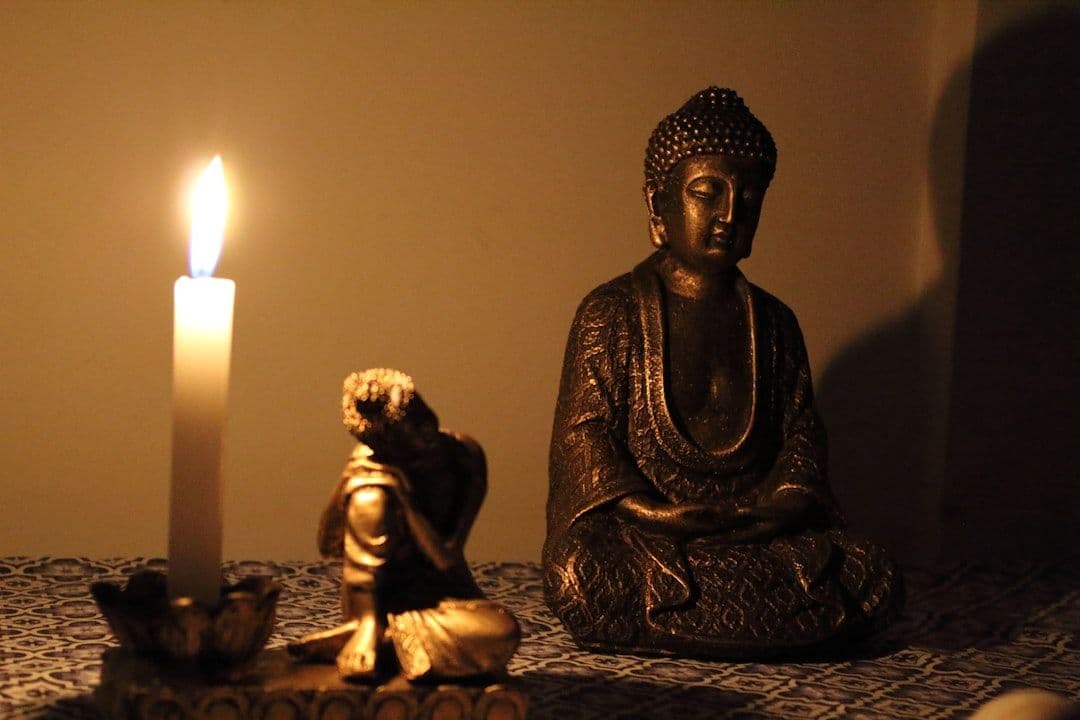
As you walk into the practitioner's space, you are likely to notice a calm, quiet environment. Soft lighting, comfortable furniture, perhaps gentle music or the sound of water—many past life healers create a sanctuary-like atmosphere designed to help you relax and turn inward. You may smell incense, lavender, or other calming scents. The temperature is usually warm and pleasant.
Your practitioner will greet you warmly and might spend 10 to 15 minutes talking with you, listening to your story, and understanding what brought you in. This conversation builds trust and allows them to tailor the session to your needs. They may ask about your spiritual beliefs, your openness to the process, and whether you have any physical discomfort they should know about.
You will then be invited to lie down on a comfortable couch or recliner, often with soft blankets and cushions for support. The practitioner may dim the lights further and ask you to make any final adjustments to your position. They might place their hands gently on your shoulders or forehead, or simply sit nearby. The goal is for you to feel safe, held, and entirely in control. You can open your eyes, speak, or stop at any time—this is your experience, and you are always in charge.
During the Session
As the session begins, your practitioner will typically guide you through a progressive relaxation or breathing exercise. Their voice becomes soft, rhythmic, and soothing. You may hear suggestions to relax each part of your body, to notice the weight of your limbs, to feel the earth beneath you. Your breath naturally slows. The outside world begins to fade.
Once you are deeply relaxed, the practitioner might guide you through a mental landscape—walking down stairs, entering a garden, crossing a bridge—each step taking you deeper into a state of focused awareness. Then, gently, they may ask you to allow a memory, image, or feeling to surface. Some people see vivid scenes; others feel sensations, emotions, or simply know things without visual imagery. Some experience what feels like a story unfolding; others describe it as more abstract or symbolic.
As images or feelings emerge, your practitioner may ask gentle questions: What do you see? What are you feeling? What is happening? You answer in a soft voice, still in your relaxed state. The practitioner is not implanting ideas; they are simply helping you explore what naturally arises. You might find yourself in a different time, place, or body—or you might recognize the present moment in a new light. You might experience intense emotion: sadness, anger, peace, or profound love. Your practitioner creates space for these feelings without judgment.
At some point—perhaps near the end of the narrative or the height of emotion—the practitioner may guide you toward release or integration. They might invite you to forgive, to understand, or to simply let the feeling move through you. Many people report a sense of completion or catharsis at this moment. Some cry. Some feel a wave of peace move through their body. Others experience a sudden clarity or insight.
The practitioner then gently begins to bring you back, perhaps counting you up from a deep state, reminding you of your name, the room around you, the present day. You are fully awake and grounded within a few minutes.
How You May Feel Afterwards
In the minutes and hours after your session, your emotional and physical state may be quite fluid. Some people feel deeply relaxed, as though they have just awoken from a profound nap. Others feel energized or emotional. Many report a sense of lightness, as though something heavy has lifted. You might feel a quiet joy, or a bittersweet peace as you integrate what you experienced.
Emotionally, you may notice shifts in how you relate to the question or pattern that brought you in. If you explored grief, you may feel a softer sadness—less like a sharp wound and more like a gentle remembrance. If you addressed fear, you might feel a new sense of safety or courage. If you simply wanted to understand something about yourself, you may have a new narrative or perspective that feels truer or more complete. These shifts are often subtle; they build over hours and days rather than arriving all at once.
Physically, some people feel very tired and need to rest. Others feel light and clear. You might notice that your sleep that night is deeper or different. Some people dream vividly in the nights following a session. Your body may release tension you did not know you were holding.
In the days after your session, many people find it helpful to journal about their experience, to notice how they feel, and to observe any changes in their mood, sleep, or patterns. You might also feel called to make changes in your life—a conversation you have been avoiding, a boundary you need to set, or simply a shift in how you approach your day. These impulses often arise naturally from the clarity or peace the session has facilitated.
It is also normal if you feel uncertain or cannot fully recall what you experienced. The mind sometimes protects us, and not every memory or insight needs to be crystal clear to be meaningful. Trust your feeling sense, your intuition about what the experience meant.
Is It Right for You?
Past Life Healing is fundamentally a personal, experiential journey. It may be right for you if you are drawn to spiritual exploration, if you are curious about your inner patterns and their origins, and if you are open to the idea that your unconscious mind or your soul can offer wisdom and healing.
This modality tends to resonate with people who feel a sense of deep longing or disconnect that conventional explanations do not fully address. It can be particularly appealing if you enjoy metaphor, symbolism, and narrative as ways of understanding yourself. If you have curiosity about belief systems that honor both psychology and spirituality, this practice offers a bridge.
Past Life Healing is best used as a complement to, not a replacement for, conventional mental health care. If you are managing depression, anxiety, PTSD, or any mental health condition, continue working with your healthcare provider. If your symptoms are severe or you are in crisis, seek professional help. If you are taking medication, do not stop without consulting your prescriber. Past life work can run alongside therapy, medication, and medical care—it simply offers a different lens.
Consider whether you feel safe exploring your emotions and whether you have a support system in place. If you are in an unstable period or are prone to dissociation, speak with your practitioner and your mental health provider before beginning. Trust your intuition: if something does not feel right, it is okay to wait or to seek a different practitioner.
Ultimately, past life healing is for those who believe that exploring the roots of our feelings—whether we understand those roots as past lives, symbolic narratives, or deep unconscious patterns—can lead to peace, clarity, and freedom in the present moment. If that resonates with you, and you are choosing this as part of a balanced, supported approach to your wellbeing, then stepping into this experience may offer unexpected gifts.