What It Is
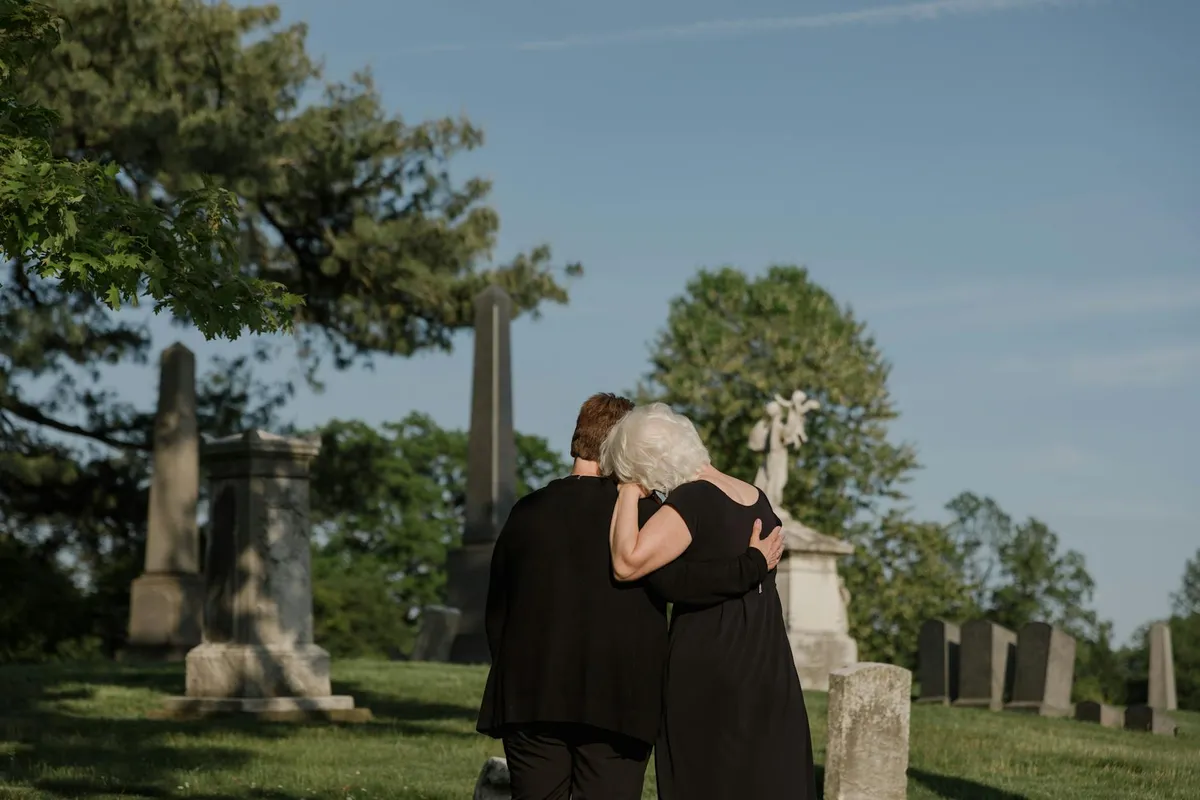
Bereavement is the period of mourning and adjustment that follows a significant personal loss.
Finding your way through loss, one step at a time
At a glance
What It Is
Bereavement is the period of mourning and adjustment that follows a significant personal loss.
How It Presents
Sadness, numbness, longing, guilt, disorientation, and physical exhaustion are all common experiences.
What May Help
Counselling, community support, somatic therapies, and spiritual practices are widely explored by the bereaved.
Evidence Context
Most complementary approaches for grief are traditionally used and personally meaningful rather than clinically trialed.
See the evidence snapshotWhen to Seek Help
Seek professional support if grief feels overwhelming, prolonged, or if suicidal thoughts arise.
Explanation
Bereavement is the state of having lost someone significant through death. It triggers a profound grief response that affects emotional, physical, cognitive, social, and spiritual dimensions of life. The bereaved may experience shock, sadness, yearning, anger, guilt, relief, and numbness — often in waves rather than stages. Physical health can deteriorate significantly following bereavement — immune function, cardiovascular health, and sleep are all affected. The risk of mortality increases in the period following spousal bereavement.
Could this be you
Bereavement shows up differently for everyone. Browse by how it tends to be felt — these are common experiences, not a checklist or a diagnosis.
Common experiences people describe — not a diagnostic checklist.
Why it happens
Bereavement usually comes from a mix of factors rather than a single cause. These are common contributors — not certainties.
Grief triggers measurable stress hormone changes that may amplify emotional pain and physical symptoms.
Sudden or traumatic loss, ambivalent relationships, and cumulative bereavements may intensify and prolong the grieving process.
A history of depression or anxiety may make navigating bereavement more difficult for some people.
Disrupted sleep is common in bereavement and may deepen emotional distress and physical exhaustion over time.
What happens in the body
Bereavement can involve several of the body’s systems. These are common patterns researchers describe — how they show up varies from person to person.
Acute grief may activate stress circuits in the brain, including the amygdala and anterior cingulate cortex, contributing to emotional pain, intrusive thoughts, and difficulty concentrating.
Bereavement is associated with elevated cortisol and disrupted stress hormone rhythms, which may contribute to fatigue, sleep disturbance, and a prolonged state of physiological arousal.
Grief-related stress may suppress immune cell activity and alter inflammatory markers, potentially increasing vulnerability to illness in the period following a significant loss.
Intense emotional distress during bereavement may place added strain on the heart through elevated blood pressure, increased heart rate, and heightened sympathetic nervous system activity.
Process
Management
Structured talking therapy, such as grief-focused CBT or prolonged grief therapy, may support processing loss and rebuilding a sense of meaning over time.
Connecting with others who have experienced loss is something many people find deeply comforting, reducing isolation and offering shared understanding.
A doctor may discuss antidepressants or sleep aids if grief is accompanied by clinical depression or severe sleep disruption — not to suppress grief itself.
Yoga, meditation, and breathwork are traditionally used to help regulate the nervous system; some people find they ease the physical tension grief can carry.
Art therapy and music therapy offer non-verbal ways to explore grief; some practitioners suggest these may support emotional processing when words feel insufficient.
Self-Care
Some people find that sharing grief with others who have experienced loss reduces isolation and provides a sense of being understood during a difficult time.
Short walks or light movement may support emotional regulation and physical wellbeing, which can be affected during periods of grief.
Creating small rituals such as lighting a candle, visiting a meaningful place, or marking anniversaries may help some people feel continued connection.
Grief can disrupt appetite and sleep significantly. Some people find that simple routines around meals and rest times help stabilize daily functioning.
Some people find that creative expression offers a way to process emotions that are difficult to put into words during bereavement.
The Evidence
What research and clinical practice tell us about grief, its effects on the body and mind, and the support approaches with the strongest backing.
Grief is a whole-body experience with real health consequences
Bereavement affects emotional, physical, immune, and cardiovascular health in measurable ways. Evidence supports structured psychological support, social connection, and complementary approaches for navigating loss — particularly when grief becomes prolonged or complicated.
Bereavement counselling and grief-focused psychotherapy have some evidence, particularly for complicated or prolonged presentations, though the evidence base is stronger for certain populations — notably adults following spousal or parental loss — than others. Social support is consistently identified as a protective factor. Mindfulness, somatic therapies, and expressive arts show supportive evidence, though research in these areas is less extensive and findings should be interpreted with that in mind.
Research shows grief-related stress can suppress immune function, elevate cortisol, disrupt sleep, and increase cardiovascular strain. Mortality risk rises in the period following spousal bereavement. These are not metaphorical effects — they are physiological responses to profound loss that warrant attention to physical health alongside emotional wellbeing.
Seek qualified support if you experience suicidal thoughts, urges to self-harm, chest pain, severe weight loss, or a complete inability to function. Prolonged grief disorder — where intense grief persists and significantly impairs daily life — may respond to targeted psychological intervention and warrants professional assessment rather than self-managed approaches alone.
Bereavement research highlights phenomena specific to loss: the oscillation between confronting grief and restoring everyday life, the ongoing maintenance of bonds with the deceased, and the often-disorienting work of rebuilding identity after someone central to it is gone. Physical exhaustion, cognitive fog, and social withdrawal frequently arise alongside these. Approaches that address several of these dimensions together tend to reflect how grief is actually lived — no single modality reaches all of it.
Among the care approaches most commonly recommended, psychotherapy, grief counselling, and peer support groups appear most frequently in clinical guidance, though evidence quality varies across settings and populations. Mindfulness, breathwork, yoga, and somatic therapies are used widely and have supportive evidence for emotional regulation and physical tension. Expressive arts offer structured outlets for grief that words alone may not reach. A practitioner can help identify what fits your situation.
Most bereavement research focuses on specific loss types and populations, limiting how broadly findings apply. Grief does not follow predictable stages, and timelines vary enormously between individuals. Evidence can inform support approaches but cannot determine what any one person needs. Professional assessment remains important when grief is severe, prolonged, or affecting physical health.
Safety first
Bereavement is manageable, and support helps. Some situations call for prompt professional help.
Explore approaches
Practices people explore for bereavement — alongside professional care.
Read next
FAQ
Grief does not follow a fixed schedule. Many people find that loss resurfaces in waves for months or years. There is no point at which you are expected to be fully over it, and your pace is valid.
Many people find comfort in prayer, ritual, spiritual counseling, or meaning-making practices during grief. These approaches are traditionally used across cultures and some people find they offer a sense of connection and continuity that supports emotional processing.
Grief affects the whole body. Difficulty sleeping, chest tightness, fatigue, and appetite changes are commonly reported. If physical symptoms are severe or worsening, a doctor assessment is recommended.
Seek professional support if grief is significantly impairing daily function beyond 12 months, if suicidal thoughts arise, or if your physical health is noticeably declining. Bereavement counselors and grief-specialist therapists are specifically trained for this.
Isolation is common in grief, yet connection is one of the most consistently supportive factors people report. Grief groups, spiritual communities, and trusted relationships may help ease the sense of being alone in loss.
Keep exploring
Browse practitioners, explore honest overviews, and take what you learn to a conversation — at your own pace.