Before You Arrive
Prepare as you would for any introspective experience. Eat lightly beforehand - a heavy meal can make relaxation difficult, whilst an empty stomach might cause distraction. Avoid alcohol for 24 hours and caffeine on the day itself, as both can interfere with the relaxed state needed for exploration.
Wear comfortable, loose clothing in layers. You'll be lying down for extended periods, and body temperature can fluctuate during deep relaxation. Bring a water bottle, as some people feel thirsty after sessions.
Set realistic expectations. This isn't entertainment or fortune-telling. Approach the session with curious openness rather than specific demands for particular information. Some practitioners suggest keeping a journal in the days leading up to your appointment, noting any dreams, unexpected thoughts, or emotional patterns that arise.
The Session Unfolds
Your practitioner begins with a consultation, discussing your intentions and any concerns. This conversation typically lasts 15-20 minutes and helps establish trust and clarify boundaries for the exploration.
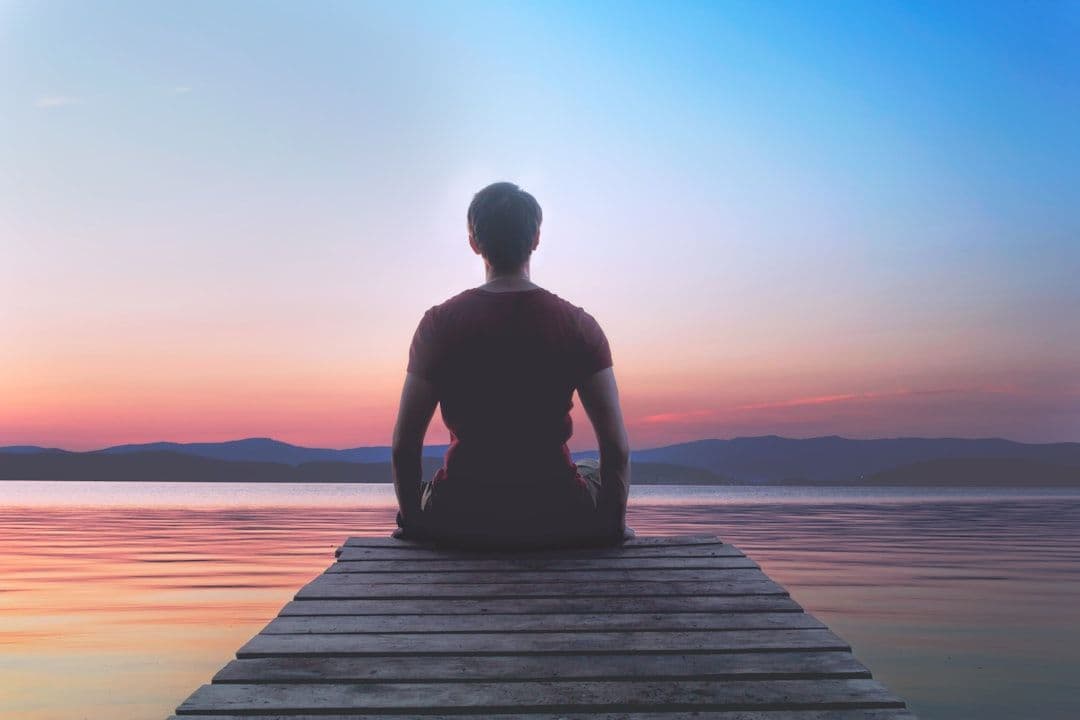
The main session starts with progressive relaxation whilst you lie comfortably on a couch or reclining chair. Your practitioner guides you through breathing exercises and muscle relaxation techniques, often speaking in a calm, measured tone. This induction phase usually takes 15-30 minutes as your brainwave patterns shift into deeper states.
Once relaxed, the exploration begins. Your practitioner may suggest you imagine walking down stairs, through doorways, or along paths - metaphorical journeys that can trigger impressions or imagery. They might ask open-ended questions: "What do you notice about your feet? What's around you? How old do you feel?" These prompts help access whatever information emerges.
During this exploration phase, which can last 30-60 minutes, you remain conscious and able to speak. You're not unconscious or hypnotised in the theatrical sense - rather, you're in a deeply relaxed, focused state where different aspects of consciousness may become accessible.
What You Might Experience
Experiences vary dramatically between individuals and sessions. Some people report vivid, film-like sequences with clear visual details, emotions, and sensory information. Others receive subtler impressions - perhaps a sense of being male or female, young or old, or finding themselves in particular landscapes or time periods.
Don't worry if nothing dramatic occurs. Some people experience their first session as simply peaceful relaxation. Others might have symbolic images rather than literal scenes, or strong emotional responses without clear visual content. Physical sensations can emerge too - changes in body temperature, feelings of wearing different clothing, or awareness of different physical characteristics.
After the session, many people report feeling emotionally moved, even if they're uncertain about the literal truth of their experiences. It's common to feel simultaneously energised and peaceful, or to have a sense that something important occurred even if you can't immediately articulate what.
Some experience vivid dreams in the following nights, or find themselves noticing historical periods, geographical locations, or cultural practices that resonated during the session.
Aftercare and Integration
Drink plenty of water and eat something nourishing after your session. Many practitioners recommend avoiding alcohol that evening, as your consciousness may still be in a more open, receptive state.
Keep a journal nearby for the following few days. Insights, dreams, or emotional responses often continue emerging as your psyche processes the experience. Don't try to analyse everything immediately - allow impressions to settle naturally.
Avoid making major life decisions based solely on session content for at least a week. Whilst many people find these experiences meaningful, the integration process benefits from reflection rather than immediate action.
Some people feel emotionally sensitive for a day or two following sessions, particularly if intense material emerged. This is normal - treat yourself gently and seek support if needed.
Building Your Practice
Most practitioners recommend a series of sessions rather than one-off explorations. Initial sessions often focus on relaxation and becoming comfortable with the process, whilst deeper material may emerge over time as trust develops.
Typically, people begin with 3-4 sessions spaced 2-4 weeks apart. This interval allows time to process each experience whilst maintaining momentum. Some continue with monthly sessions for extended exploration, particularly if they're working with specific themes or relationships.
Progression varies significantly. Some people access detailed information quickly, whilst others develop their receptivity gradually. Neither approach is superior - the process unfolds differently for each individual based on their psychological makeup, belief systems, and readiness to explore.
Many practitioners offer group workshops or guided meditation sessions as supplements to individual work, providing community support and different approaches to accessing these states of consciousness.