What Plant-Based Nutrition Actually Means
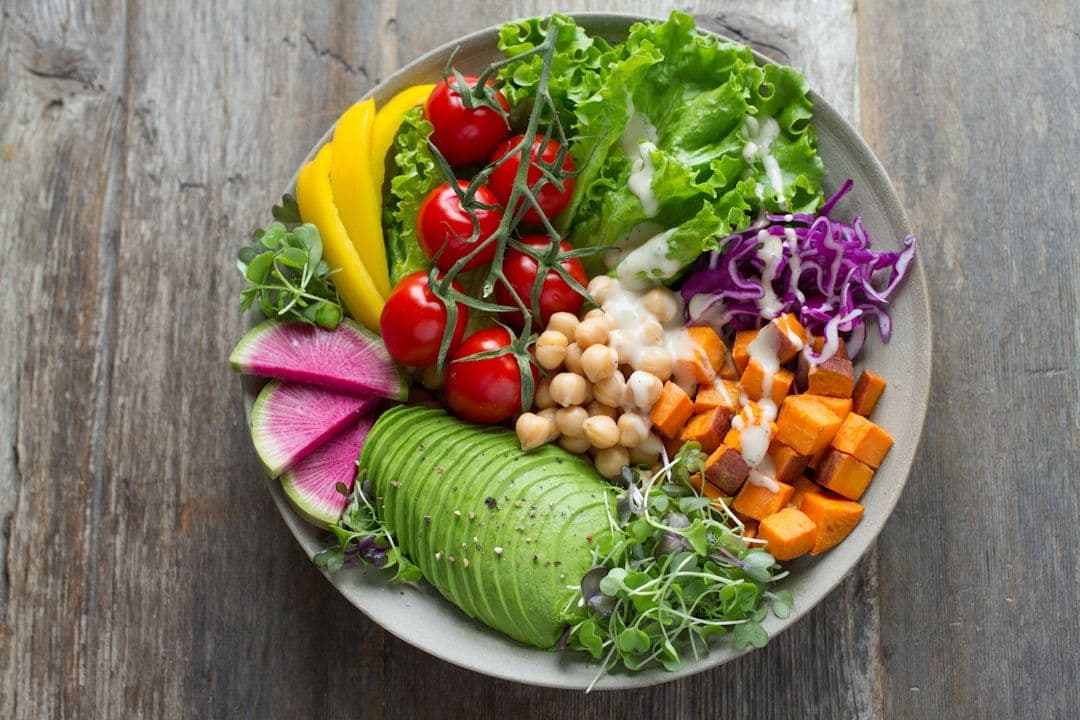
Your breakfast might feature steel-cut oats topped with berries and ground flaxseeds. Lunch could be a quinoa bowl loaded with roasted vegetables and tahini dressing. Dinner might centre on lentil curry with brown rice and steamed greens. This is plant-based nutrition in practice — not a collection of restrictions, but a way of eating that places plants at the centre of every meal.
Plant-based nutrition emphasises whole foods derived from plants: fruits, vegetables, grains, legumes, nuts, and seeds. Unlike veganism, which is primarily an ethical stance, plant-based eating focuses specifically on health outcomes. Some practitioners eliminate all animal products, whilst others follow a predominantly plant-forward approach, occasionally including small amounts of animal foods.
The distinction matters because flexibility often determines long-term success. Research from the Harvard School of Public Health suggests that even partial shifts towards plant foods — what they term 'plant-forward' eating — can deliver significant health benefits without requiring complete dietary overhaul.
From Ancient Grains to Modern Medicine
Humans consumed predominantly plant-based diets for most of our evolutionary history. Archaeological evidence suggests our ancestors ate diverse plant foods supplemented by occasional animal protein — a pattern that persists in many traditional cultures today.
The modern plant-based movement gained scientific credibility through the work of physicians like Dean Ornish and Caldwell Esselstyn in the 1980s and 1990s. Their clinical studies demonstrated that intensive plant-based interventions could reverse coronary artery disease — findings that seemed revolutionary at the time but are now supported by extensive research.
Today's plant-based approach has evolved beyond these early therapeutic applications. The Mediterranean diet, DASH eating pattern, and Nordic diet — all recognised by major health organisations — emphasise plant foods whilst allowing flexibility with animal products. This evolution reflects a more nuanced understanding: the quality and proportion of plant foods matter more than absolute elimination of animal products for most health goals.
How Plants Transform Your Physiology
When you shift towards plant foods, you're not simply removing animal products — you're fundamentally altering your body's biochemical environment. Plants provide fibre, polyphenols, and phytonutrients that animal foods lack, whilst typically delivering less saturated fat and no dietary cholesterol.
Your gut microbiome responds within days. Beneficial bacteria that ferment plant fibres proliferate, producing short-chain fatty acids that support intestinal health and may influence inflammation throughout your body. This microbial shift appears to be one mechanism linking plant-based eating to improved metabolic health.
Plant foods also modify how your body processes nutrients. The potassium in fruits and vegetables helps regulate blood pressure, whilst plant sterols can block cholesterol absorption in your intestines. Antioxidants from colourful vegetables may protect against cellular damage, though the mechanisms remain complex and interconnected rather than simple cause-and-effect relationships.
Who Benefits Most From Plant-Forward Eating
People with cardiovascular risk factors often see the most dramatic improvements. If you have elevated cholesterol, high blood pressure, or existing heart disease, research consistently shows that plant-based approaches can improve these markers — sometimes dramatically. The PREDIMED study demonstrated that a Mediterranean diet rich in plant foods reduced cardiovascular events by 30% compared to a low-fat diet.
Type 2 diabetes responds particularly well to plant-based interventions. Studies show that people following plant-based diets have roughly half the risk of developing diabetes compared to those eating conventional Western diets. For those already diagnosed, plant-forward eating can improve glycaemic control and sometimes reduce medication requirements.
Inflammatory conditions may also improve, though individual responses vary significantly. Some people with rheumatoid arthritis report reduced joint pain and stiffness when following anti-inflammatory plant-based protocols, though this remains an area where clinical evidence is emerging rather than definitive.
What Plant-Based Eating Looks Like in Practice
Successful plant-based nutrition requires more planning than most people initially realise. You'll need to think about protein combining — ensuring you get complete amino acid profiles from legumes, grains, nuts, and seeds throughout the day. A typical approach might include hummus with whole grain pita, quinoa salad with chickpeas, or almond butter on toast with hemp seeds.
Meal preparation becomes particularly important. Many practitioners spend Sunday afternoons batch-cooking grains, roasting vegetables, and preparing protein-rich components like seasoned lentils or marinated tofu. This front-loaded effort makes weekday meals manageable when you're pressed for time.
Supplementation requires attention. Vitamin B12 is essential for anyone following a strict plant-based diet, as this nutrient doesn't occur reliably in plant foods. Many practitioners also monitor their omega-3 fatty acid status and consider algae-based supplements. Iron absorption from plants improves when you pair iron-rich foods with vitamin C sources — think spinach salad with orange segments or lentil curry with tomatoes.
The Research Foundation
The evidence supporting plant-based nutrition comes from multiple large-scale, long-term studies. The Adventist Health Study-2, following over 96,000 people, found that vegetarians had 12% lower mortality risk compared to non-vegetarians. The EPIC-Oxford study, tracking 65,000 participants, showed similar patterns for cardiovascular disease prevention.
Meta-analyses consistently demonstrate benefits. A 2017 review in Progress in Cardiovascular Diseases analysed data from over 4.5 million people and found that plant-based diets reduced heart disease risk by 25%. Similar systematic reviews show 15-20% reductions in stroke risk and up to 34% lower risk of developing type 2 diabetes.
The evidence isn't universally positive, however. Some studies suggest potential concerns about bone health with very restrictive plant-based diets, particularly in older adults. Vitamin D and calcium intake require attention, and some people struggle to maintain adequate protein intake without careful planning. The key appears to be implementation quality rather than the approach itself.
Making It Work: Costs and Professional Support
Plant-based nutrition can be remarkably economical or surprisingly expensive, depending on your approach. Basic staples — dried beans, lentils, oats, seasonal vegetables — often cost less than animal proteins. However, specialty plant-based products, organic produce, and exotic superfoods can quickly inflate your grocery budget.
Most people benefit from initial guidance, particularly around nutritional adequacy. Registered dietitians with plant-based expertise charge £80-150 for comprehensive consultations, with follow-up sessions typically costing £50-80. Look for practitioners registered with the Health and Care Professions Council (HCPC) who have specific experience with plant-based nutrition.
Ongoing support varies widely. Some people thrive with cookbook collections and online communities, whilst others prefer structured programmes. The Physicians Committee for Responsible Medicine offers evidence-based resources, whilst local groups through organizations like Viva! provide peer support and practical cooking workshops.
Expect an adjustment period of 2-4 weeks as your palate adapts and you develop new shopping and cooking routines. Most successful practitioners report that the initial learning curve feels manageable once they establish reliable meal patterns and trusted recipes.