What it is
Eating centered on fruits, veggies, grains, and legumes with little or no animal products.
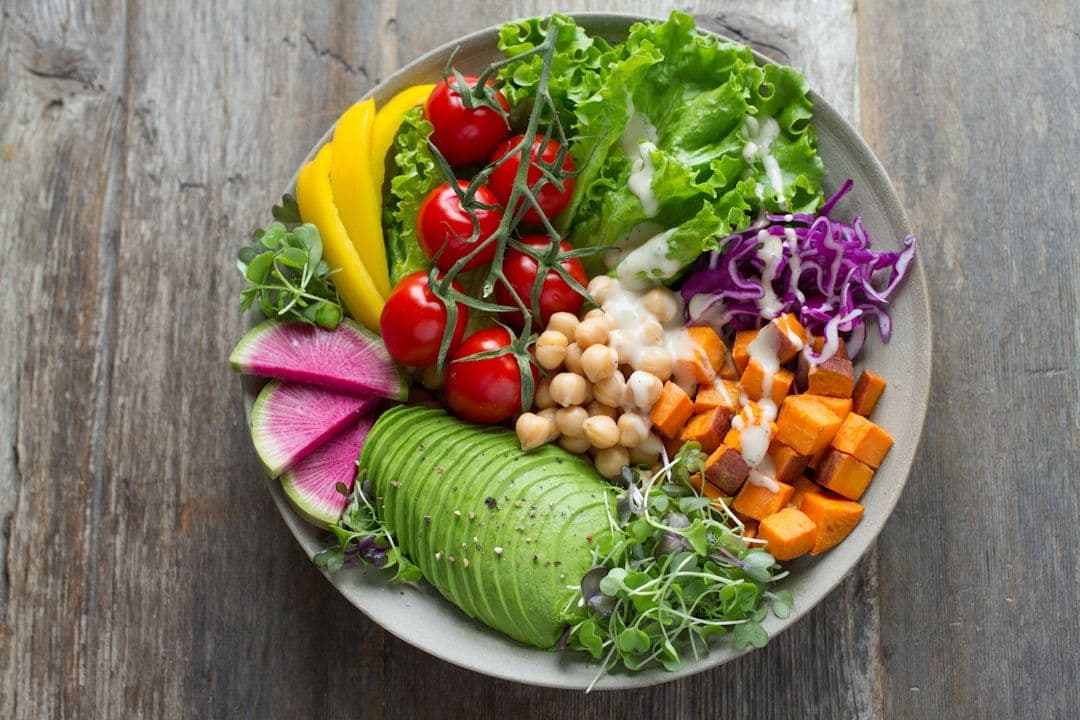
Plant Based Nutrition is a dietary approach that emphasizes whole foods derived from plants—fruits, vegetables, grains, legumes, nuts, ...

At a glance
What it is
Eating centered on fruits, veggies, grains, and legumes with little or no animal products.
Why explore it
Linked to better heart health, steadier blood sugar, and lower chronic disease risk.
How it’s experienced
You shift meals toward plants gradually or fully, usually adding a B12 supplement early on.
Evidence context
One of the better-studied diets, with strong links to lower heart disease risk when food quality is high.
See the evidence snapshotSafety
Safe when well-planned, though B12, iron, and omega-3s need watching, especially during pregnancy.
See staying safeHistory & Origin
Plant Based Nutrition emphasizes a dietary approach centered on the consumption of plant-based foods for health and sustainability.
Plant-based eating has deep historical roots across many cultures. Traditional diets in Mediterranean regions, Asia, and parts of Africa have long emphasized plant foods, with animal products playing a supplementary role. However, modern plant-based nutrition as a formalized health movement gained significant momentum in the mid-20th century, with pioneering research by Dr. Dean Ornish demonstrating the potential of low-fat, plant-based diets for reversing heart disease, and later work by Dr. Caldwell Esselstyn expanding evidence in cardiovascular health.
The movement accelerated in the 1980s and 1990s with nutritionists and researchers like T. Colin Campbell publishing landmark studies such as the China Study, which explored the relationship between plant-based diets and chronic disease prevention. Environmental and ethical concerns also fueled adoption, with influential figures like Dr. Michael Greger, Dr. John McDougall, and Dr. Julieanna Hever bringing plant-based nutrition into mainstream conversation.
Today, plant-based nutrition is supported by major health organizations including the American Heart Association, the American Diabetes Association, and the Academy of Nutrition and Dietetics, which recognize that well-planned plant-based diets can be appropriate for all stages of life. The approach has evolved from a niche dietary philosophy to a mainstream health modality with substantial scientific inquiry and growing clinical adoption.
Mechanism
Plant Based Nutrition is usually understood through daily choices, patterns, and gradual behavior change rather than a single session effect. Practitioners may focus on food quality, timing, preparation, symptoms, preferences, culture, and sustainability. Some approaches are tradition-based, while others draw on nutrition science or clinical guidelines. Recommendations should be individualized, especially when medical conditions, pregnancy, medications, or restrictive eating patterns are involved. Plant-based nutrition works by shifting the foundation of dietary intake toward whole plant foods—fruits, vegetables, legumes, grains, nuts, and seeds—while minimising or eliminating animal products.
Your first visit
A typical session outline to help you feel prepared
A plant-based nutrition session walks you through your current eating habits and health goals, then builds a practical, personalized whole-foods plan you can actually follow in real life.
Your practitioner greets you and reviews a health history form you typically complete beforehand, covering your medical background, current diet, lifestyle, and what brought you to plant-based eating.
You have an open conversation about what you hope to achieve, whether that is more energy, weight management, or ethical eating, so your plan reflects what genuinely matters to you.
Your practitioner walks through a typical day of eating with you, asking about meal patterns, favorite foods, and any foods you already avoid, to understand your real starting point.
Together you look at nutrients commonly needing attention on a plant-based diet, such as B12, iron, omega-3s, and calcium, and discuss whether any targeted adjustments or supplementation may be worth exploring.
Your practitioner outlines a practical eating framework tailored to your goals, preferences, and schedule, including meal ideas, food swaps, and simple ways to build balanced plates with whole plant foods.
You cover practical strategies for navigating dining out, social gatherings, grocery shopping, and meal prep so the plan feels doable beyond the appointment room.
You have open time to ask anything on your mind, and your practitioner may share recipes, reading materials, or tracking tools to support you between sessions.
You wrap up by setting a rough timeline for a follow-up session to review how the plan is working, celebrate progress, and make any adjustments as your needs evolve.
The Evidence
What decades of nutrition research tells us about plant-based eating and its role in supporting long-term health.
One of the most researched dietary approaches in modern nutrition science
Plant-based nutrition is supported by large prospective studies, randomised controlled trials, and multiple major health organisations. Evidence consistently links it to improved cardiovascular, metabolic, and weight-related outcomes, though quality of individual studies varies.
Major prospective studies including the Nurses' Health Study and Adventist Health Studies associate plant-based diets with reduced risk of cardiovascular disease, type 2 diabetes, hypertension, and obesity. Randomised controlled trials have shown measurable improvements in blood lipids, blood pressure, and glycaemic control. Most evidence is observational, so causation requires careful interpretation.
The Academy of Nutrition and Dietetics, the American Heart Association, and the American Diabetes Association all acknowledge plant-based eating as a valid and healthful dietary pattern. This level of institutional recognition is relatively uncommon among dietary approaches and reflects the breadth of supporting evidence.
Plant-based nutrition has moved from the margins of dietary guidance into mainstream scientific and clinical recognition. It is not a traditional medicine system, nor a complementary add-on — it is a primary dietary framework with its own substantial evidence base, endorsed by major health institutions and increasingly integrated into clinical nutrition practice.
Much of the evidence comes from observational studies, which cannot fully control for lifestyle confounders. Definitions of 'plant-based' vary widely across studies, making direct comparisons difficult. Individual responses to dietary change differ based on genetics, gut microbiome, and baseline health, meaning population-level findings may not apply uniformly.
Vitamin B12 supplementation is recommended for all plant-based eaters, as it is not reliably available from plant foods. Iron, calcium, zinc, omega-3 fatty acids, iodine, and vitamin D should be monitored, particularly for pregnant individuals, children, and those with absorption conditions. Working with a registered dietitian helps ensure nutritional adequacy.
People with kidney disease, eating disorders, malabsorption conditions, or those who are pregnant, breastfeeding, or undergoing cancer treatment should consult a healthcare provider before making major dietary shifts. A registered dietitian can personalise nutrient planning and help avoid deficiencies during transition.
Safety first
General guidance to help you decide whether this approach is appropriate for you. This is informational only and not a substitute for medical, psychological, or professional advice.
If you are pregnant, managing a health condition, recovering from injury or surgery, or taking medication, consult a qualified healthcare professional first.
Some situations call for extra care or a different approach. Share any conditions, injuries, or sensitivities with your practitioner before your first session.
Look for clear boundaries, transparent pricing, and practitioners who avoid fear-based claims or pressure to book frequent sessions.
Mild, short-lived effects such as tenderness, tiredness, or temporary soreness can occur. Rest, hydrate, and tell your practitioner how you respond.
For you?
A simple, human way to weigh it up. This is general guidance, not personal medical advice — a qualified practitioner can advise on your situation.
Gyfts is a discovery platform, not a medical provider. Nothing here diagnoses, treats or replaces professional care. In an emergency, contact your local emergency number.
Explore approaches
Other practices people often explore alongside plant based nutrition.
In their words
FAQ
No. Research shows that significant health benefits can occur at various levels of plant-based eating. A diet that is 75-90% plant-based can yield substantial benefits for heart health, weight management, and disease prevention. The key is emphasizing whole plant foods and minimizing processed foods and animal products. Your practitioner can help you find an approach that works for your lifestyle and goals.
Yes, when the diet is well-planned. Plant-based proteins include legumes (beans, lentils, chickpeas), whole grains, nuts, seeds, and soy products (tofu, tempeh, edamame). Consuming a variety of these foods throughout the day provides adequate protein. Most people require 0.8-1.0 grams of protein per kilogram of body weight, and this is achievable on a plant-based diet. Your practitioner can help ensure adequate protein intake.
Vitamin B12 supplementation is essential for all plant-based eaters, as reliable B12 sources are limited in plant foods. Depending on individual circumstances, testing, and dietary diversity, other supplements like vitamin D, omega-3s, iron, calcium, or iodine may be recommended. Your practitioner can assess your individual needs through dietary analysis and blood work.
This varies individually. Some people notice increased energy within days to weeks. Others see improvements in blood sugar, cholesterol, or blood pressure within 4-8 weeks. Long-term benefits like weight loss or disease reversal may take months to years. Consistency and adherence are key factors in outcomes.
Yes, but children have specific nutritional needs for growth and development. Plant-based diets for children require careful planning to ensure adequate calories, protein, B12, iron, calcium, and other nutrients. Parents should work with a pediatric nutrition specialist to ensure their child's needs are met at each developmental stage.
Yes, with modifications. A practitioner can help you work around common allergies (nuts, soy) or intolerances (gluten) while maintaining nutritional completeness. There are many plant-based foods available, and customized plans can accommodate most dietary restrictions.
Plant-based nutrition is a dietary approach focused on health benefits of plant foods and may include some animal products in small amounts. Veganism is a lifestyle philosophy that avoids all animal products for ethical, environmental, and health reasons. A plant-based diet can be vegan, but not all plant-based approaches are strictly vegan.
Plant-based diets emphasizing whole foods are typically lower in calories and higher in fiber, which supports satiety and weight management. However, weight loss depends on overall calorie intake and lifestyle factors. A diet of processed plant-based foods can still lead to weight gain. Your practitioner can help you create a sustainable approach that supports your weight goals.
References
Educational sources that inform this overview. Inclusion is for context and does not imply endorsement.
Full citations are maintained by the Gyfts editorial team and reviewed periodically.
Keep exploring
Browse practitioners, explore honest overviews, and take what you learn to a conversation — at your own pace.