Before the Session: What to Expect
In the days leading up to your first psychodrama session, you might notice a flutter of anticipation mixed with nervousness. That's entirely normal. Before you arrive, take time to reflect on what brought you here. Are you carrying unfinished conversations? Navigating a life transition? Feeling stuck in an old pattern? Psychodrama practitioners often ask you to bring a 'protagonist'—a real situation or feeling you're willing to explore on stage. You don't need to have it perfectly figured out. The work unfolds once you're there. Some people find it helpful to journal briefly about what they'd like to address, while others prefer to arrive open and see what emerges. Wear comfortable clothing you can move in; psychodrama is embodied work. Expect to feel some anticipatory anxiety—that's a sign you're taking yourself seriously. Remind yourself that you're in control of how much you share and that the director is trained to create safety. Many practitioners send out orientation materials explaining confidentiality, group norms, and what a typical session looks like. Read these carefully. They exist to reassure you and establish trust before you step into the room.
Arriving and Setting the Scene
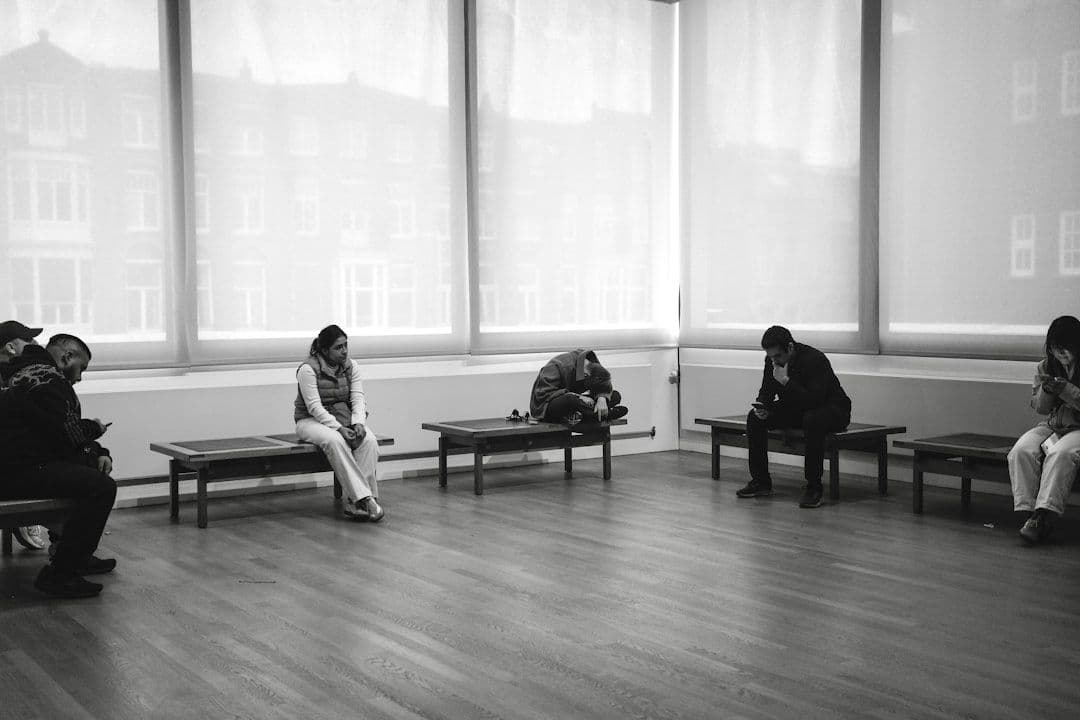
You walk into a space that often feels different from a traditional therapy office. There's likely a stage area—perhaps marked by cushions, chairs, or simply an open floor. The room is arranged so that everyone can see and be seen. The director greets you warmly, perhaps inviting you to sit in the circle and settle yourself. There's usually a moment of grounding: breathing, centering, perhaps a check-in. The director explains the session structure and reminds the group of confidentiality. You might feel your shoulders relax slightly as you sense the intentionality of the space. If this is your first time, the director may invite you to observe from the audience (called auxiliary or witness role) to get a felt sense of how the work unfolds. As others begin to share what brought them, you listen. You might hear echoes of your own experience in their words—loneliness, confusion, longing to say something unsaid, the weight of change. This recognition is powerful. You're no longer alone in your struggle. The group becomes a container, a place where difficult things can be spoken aloud and explored safely. Your nervous system begins to settle as you realise: these people understand. This place is different.
During the Session
When you decide to take the stage—or if the director invites you—something shifts. You step into the playing space, and the director begins to interview you gently. Tell me what brought you here today. What's the scene or situation you'd like to explore? You describe it: maybe a conflict with a partner, a fear about an upcoming change, a conversation you never had with someone who has died, a workplace situation that exhausts you. The director listens with full presence, then begins to cast the scene. Other group members become 'auxiliaries'—they take on roles: your mother, your boss, your younger self, even an abstract quality like your anxiety. As the scene unfolds, something remarkable often happens. You're no longer just thinking about the problem; you're living it. Your body is there, your voice is there, your emotions have permission to flow. The director guides the action—slowing it down, reversing it, asking you to say things you've never said, or to hear words you've longed to hear. There might be tears. There might be unexpected laughter or anger. The stage becomes a container for feelings that have nowhere else to go in ordinary life. Group members witnessing the scene are deeply attentive. Their presence matters. You feel held by their witnessing. As the scene reaches a natural resolution or shift, the director helps bring you down gently—a transition out of the enactment. You're no longer in the scene; you're yourself again, back in the here and now.
How You May Feel Afterwards
After stepping off stage, you sit back down in the circle. You feel something like release—a sense of having spoken the unspeakable, of having moved energy that was stuck. Your body might feel lighter or more tired; you've been working hard. The director guides a 'sharing' phase where other group members reflect on what they witnessed and what it stirred in them. This is not advice or analysis; it's witnessing. They might say, 'I was moved by your courage,' or 'Your struggle with boundaries reminded me of my own.' Hearing yourself reflected through others' eyes is deeply validating. You realise your experience matters. In the hours and days after a session, the benefits often unfold gradually. You might sleep differently—more deeply, or feel restless as your nervous system processes what moved through you. Situations that triggered you before may feel different; you've practiced them in a safe place, and something in how you relate to them has shifted. You might feel a sense of closure around something you've been carrying. Or unexpected emotions might surface as defences that have been protecting you begin to soften. This is part of the work. Many people report feeling less alone, more connected to themselves and others. You've been witnessed in your vulnerability, and that witnessing heals something. The enactment gives your internal struggles an external form, making them feel more manageable, less consuming. You may find yourself wanting to return—to go deeper, to explore other situations, or simply to be part of a group that knows how to hold space for real human struggles.
Is It Right for You?
Psychodrama is not for everyone, and that's okay. Some people thrive when given permission to move, speak, and enact their experiences. Others prefer talk-based or quieter modalities. Consider whether you're drawn to action-oriented work, whether you can tolerate being witnessed by a group, and whether you're willing to engage emotionally. Psychodrama works best when you're genuinely ready to explore something, not when you're in acute crisis or severe emotional dysregulation. If you're currently in crisis, experiencing active suicidality, or dealing with untreated severe mental health conditions, consult a qualified mental health professional first. Psychodrama complements individual therapy and medication; it does not replace them. If you have experienced significant trauma, discuss this with the director beforehand so they can pace the work appropriately and ensure your safety. If you're navigating grief, social anxiety, workplace stress, a major life transition, or simply feeling stuck and disconnected, psychodrama may offer a unique avenue for healing. The power of the modality lies in its ability to transform internal struggle into external action, to turn confusion into clarity through the body and the group's witness. If you're curious, trust that. Many people find that showing up to their first session is the hardest step—and the most rewarding one.