Preparing for Your Session
Arrive well-rested and avoid alcohol or recreational substances for at least 24 hours beforehand. Caffeine is fine, but excessive amounts may interfere with the relaxed state needed for regression work. Wear comfortable, loose-fitting clothing that won't distract you during extended periods of stillness.
Bring a notebook or journal, as many practitioners encourage writing immediately after the session whilst impressions remain fresh. Some people find it helpful to set an intention beforehand—perhaps exploring a particular relationship pattern or unexplained phobia—though remaining open to whatever emerges is equally valuable.
Consider your emotional capacity for the day. Past-life work can bring up unexpected feelings, so avoid scheduling important meetings or challenging conversations afterwards. Let close friends or family know you'll be doing this work, as you may want support for processing afterwards.
The Regression Process
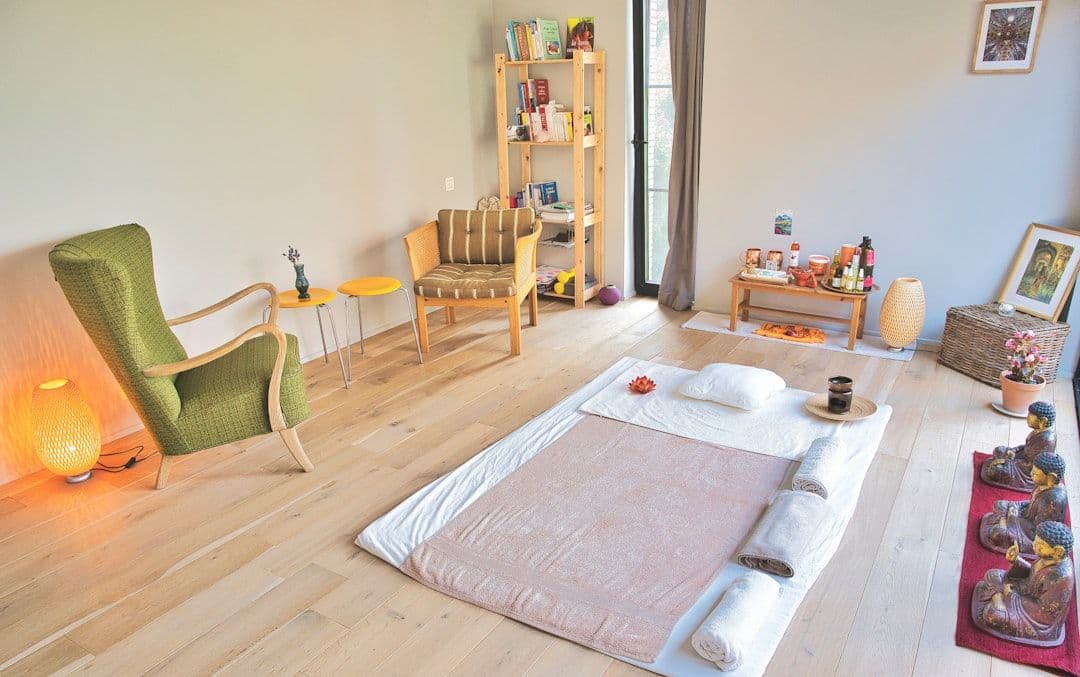
Most sessions begin with a consultation about your intentions and any specific areas you'd like to explore. Your practitioner will explain their approach—some use formal hypnotic induction, others guided visualisation or meditation techniques. The room is typically dimly lit and quiet, with you lying on a comfortable reclining chair or treatment couch.
The initial relaxation phase lasts 15-20 minutes. Your practitioner guides you through progressive muscle relaxation or breathing exercises, helping you reach a state similar to the moments before sleep—aware but deeply relaxed. You remain conscious throughout and can speak normally.
Once relaxed, the practitioner guides you backwards through time—sometimes through your current life first, then earlier. They might ask you to imagine walking down stairs, passing through a doorway, or visualising yourself floating backwards through time. This transition typically takes 10-15 minutes.
The exploration phase forms the heart of the session, lasting 45-60 minutes. Your practitioner asks open-ended questions: "What do you see around you? What are you wearing? How do you feel?" They help you explore the narrative that emerges, whether vivid and detailed or symbolic and impressionistic. Some people experience clear visual scenes; others receive emotional impressions, bodily sensations, or sudden knowing without images.
What You Might Experience
Experiences vary dramatically between individuals and sessions. Some people report cinematic visions with rich sensory detail—seeing landscapes, feeling period clothing, or hearing unfamiliar languages. Others receive more abstract impressions: emotional states, relationship dynamics, or symbolic imagery that feels meaningful without being literally visual.
Physically, you might notice tingling sensations, temperature changes, or unexpected emotional responses—sudden sadness, joy, or recognition. Some people experience what feels like muscle memory from unfamiliar activities. These sensations typically feel gentle rather than overwhelming.
Not everyone accesses what feels like past-life material. Some people explore symbolic narratives, archetypal stories, or metaphorical landscapes that provide insight into current patterns. The meaning you derive from the experience matters more than whether the content represents historical fact.
After the session, expect to feel somewhat dreamlike or emotionally sensitive for several hours. Many people report feeling simultaneously energised and tired, as if returning from a profound journey. Emotions may feel closer to the surface than usual.
Post-Session Care
Plan for a quiet evening following your session. Avoid making important decisions or engaging in emotionally charged conversations whilst you're processing the experience. Many practitioners recommend drinking plenty of water and eating grounding foods like root vegetables or proteins.
Journal about your experience whilst it's fresh—not just the narrative content, but your emotional responses and any insights that emerged. Some people find the meaning becomes clearer in the days following, as the conscious mind processes what emerged.
Avoid analysing or researching the historical details immediately afterwards. Whether the content represents actual past lives or symbolic material from your unconscious, premature intellectual analysis can override the emotional processing that forms the core therapeutic value.
Give yourself 24-48 hours before deciding whether to book another session. Some people feel complete after one exploration; others sense they've opened a door they'd like to explore further.
Building a Course of Sessions
Most practitioners recommend spacing sessions 2-4 weeks apart to allow proper integration. A typical course involves 3-6 sessions, though some people continue exploring over months or years as part of ongoing personal development work.
Each session may access different periods or aspects of your supposed past-life experience. Some people explore the same lifetime from multiple angles; others visit entirely different eras or relationships. The unconscious often presents material in the order that's most supportive for your current psychological needs.
Progress isn't measured by the vividness of recall but by insights gained and emotional shifts experienced. Many people report increased self-understanding, reduced anxiety around specific triggers, or new perspectives on current relationships after several sessions.
Consider this work as one tool among many for personal growth rather than a standalone therapeutic approach. Many people find it most valuable when combined with conventional counselling, creative practices, or other self-development work.