Before You Arrive
Arrive wearing comfortable, loose-fitting clothing that allows easy access to the treatment area. For back problems, a sports bra for women and shorts or underwear for men work well. You'll undress to your comfort level — most people keep underwear on, though some areas may require exposure for proper assessment.
Eat lightly 2-3 hours beforehand rather than arriving hungry or overly full. Avoid alcohol for 24 hours prior, as it can interfere with tissue assessment and increase bruising risk. If you're taking pain medication, maintain your usual schedule — your therapist needs an accurate picture of your symptoms.
Bring a list of current medications, recent imaging results if available, and notes about what aggravates or relieves your pain. This clinical information guides the assessment process significantly.
Initial Assessment and Planning
The first 15-20 minutes focus entirely on assessment, not treatment. Your therapist will take a detailed history of your complaint — when it started, what triggers it, how it affects daily activities. This isn't casual conversation; they're building a clinical picture.
Next comes physical assessment. You'll perform specific movements whilst the therapist observes your posture, gait, and movement patterns. They'll test your range of motion, check muscle strength, and palpate areas of tension or restriction. Some tests might reproduce your pain — this helps identify the exact structures involved.
Based on these findings, your therapist explains their clinical reasoning and treatment plan. They'll identify which muscles, joints, or fascial areas need attention and outline the techniques they'll use. This collaborative approach ensures you understand the rationale behind each intervention.
The Treatment Phase
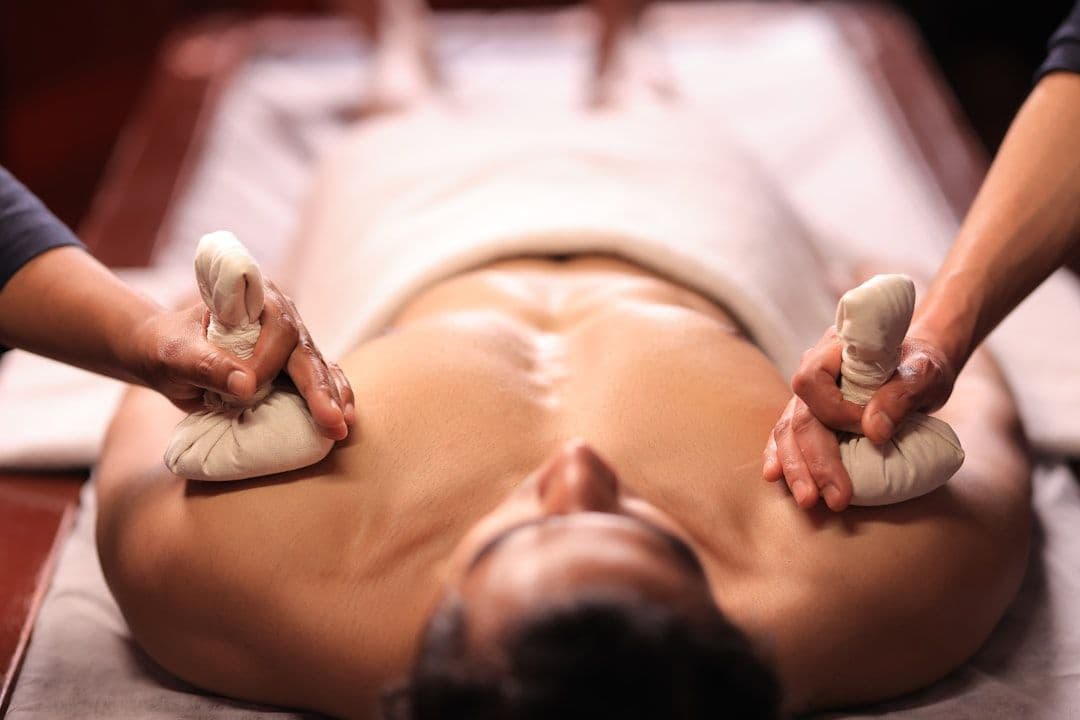
Treatment typically lasts 30-45 minutes and varies considerably based on your condition. You'll lie on a treatment table whilst your therapist works systematically through the identified problem areas. The pressure is significantly deeper than relaxation massage — expect firm, focused work that may cause temporary discomfort.
Techniques might include sustained pressure on trigger points, deep tissue work along muscle fibres, or gentle stretching to improve mobility. You'll feel the therapist's hands, forearms, or occasionally elbows working into tight areas. Some techniques involve you contracting muscles against resistance whilst the therapist applies counter-pressure.
Communication is crucial throughout. Your therapist will regularly check pressure levels and adjust accordingly. Some discomfort is therapeutic, but sharp pain isn't — speak up immediately if sensations feel wrong.
The session concludes with reassessment. Your therapist will retest movements that were previously restricted, checking for immediate improvements in range of motion or pain reduction.
What You Might Experience
During treatment, expect a mixture of relief and intensity. Tight areas often feel tender initially, then gradually release as the therapist works. You might experience referred sensations — pressure on your shoulder blade triggering feelings down your arm, for example. This is normal and helps identify pain referral patterns.
Some people feel emotional releases during deep tissue work. Chronic tension often holds stress, and its release can trigger unexpected emotional responses. Others simply feel progressively more relaxed as restrictions ease.
Immediately after treatment, you might feel slightly light-headed or unusually tired. This is your nervous system recalibrating after significant tissue changes. Many people notice immediate improvements in movement, though full benefits often emerge over the following days.
Within 24-48 hours, expect some muscle soreness similar to post-exercise stiffness. This indicates tissues are adapting to treatment and typically resolves quickly with gentle movement.
Aftercare and Recovery
Drink plenty of water for the remainder of the day to support tissue healing and toxin elimination. Gentle movement is beneficial — avoid complete rest, but equally avoid intense exercise for 24 hours. Light walking, gentle stretching, or your usual daily activities are ideal.
Apply heat if you experience muscle soreness, but avoid ice unless specifically advised. Heat promotes circulation and healing, whilst ice can slow the repair process initiated by treatment.
Sleep often improves significantly after treatment as muscle tension releases. Take advantage of this by maintaining good sleep hygiene — your body does its best healing work during rest.
Most people notice some improvement within 2-3 days, with continued progress over the following week. Keep notes about changes in your symptoms, as this information guides subsequent treatments.
Treatment Frequency and Duration
Acute injuries often require weekly sessions initially, spacing out as symptoms improve. Chronic conditions typically need 4-6 treatments over 6-8 weeks, though complex cases may require longer.
Your therapist will reassess progress after the third session. Significant conditions should show measurable improvement by this point — reduced pain, increased range of motion, or improved function. If progress stalls, they may adjust techniques or refer you for additional investigation.
Maintenance treatments vary by individual. Some people benefit from monthly sessions to prevent symptom recurrence, whilst others only return when problems flare. Your therapist will recommend a frequency based on your specific condition, activity levels, and response to treatment.
Successful remedial massage often becomes part of a broader self-management strategy, working alongside exercise, ergonomic improvements, and lifestyle modifications to maintain long-term musculoskeletal health.