What it is
A clinical soft-tissue therapy targeting muscle dysfunction, not just relaxation.
Clinical precision meets therapeutic touch — targeted treatment for musculoskeletal health.
At a glance
What it is
A clinical soft-tissue therapy targeting muscle dysfunction, not just relaxation.
Why explore it
It may ease back pain, headaches, and sports injuries while improving posture and mobility.
How it’s experienced
Expect an intake assessment, targeted pressure work, and possible mild soreness for a day or two.
Evidence context
Research best supports its use for back and neck pain; some applications lean on clinical tradition.
See the evidence snapshotSafety
Low risk with a qualified practitioner, who screens for conditions needing medical care first.
See staying safeHistory & Origin
Remedial Massage is a clinical soft-tissue therapy involving systematic assessment, treatment planning, and targeted manual techniques to address musculoskeletal pain, dysfunction, and injury recovery.
Remedial massage as a distinct clinical discipline developed primarily in Australia and the UK during the 20th century, drawing on physiotherapy, osteopathy, and traditional massage traditions. In Australia, it became formally recognised through the establishment of government-accredited training programmes (Diploma and Advanced Diploma of Remedial Massage) and inclusion in the private health insurance rebate system. The Australian Natural Therapies Association (ANTA) and the Association of Massage Therapists (AMT) established professional standards. In the UK, remedial massage developed alongside sports massage and soft-tissue therapy, with bodies such as the Institute for Complementary and Natural Medicine and the Sports Massage Association setting standards. The term ''remedial'' distinguishes clinical, assessment-based practice from wellness or relaxation massage — a critical regulatory and professional distinction in Australia where only remedial massage therapists can claim health fund rebates. Modern remedial massage integrates evidence from pain neuroscience, fascial research, and musculoskeletal rehabilitation.
Mechanism
Remedial Massage is generally described as working through skilled touch, careful pacing, and the body's response to pressure, movement, warmth, or stillness. Practitioners may focus on muscle tone, joint comfort, circulation, breath, or relaxation depending on the method. Traditional explanations may also include energy flow or whole-person balance. Research support varies by modality, so the experience is best framed as supportive care with outcomes that vary. Remedial massage begins with a thorough musculoskeletal assessment — postural analysis, range-of-motion testing, palpation, and orthopaedic screening tests — to identify the specific tissues and dysfunction contributing to the client''s complaint.
Your first visit
A typical session outline to help you feel prepared
A remedial massage session combines a focused health assessment with targeted hands-on bodywork to address the specific muscles and tissues causing you trouble.
Your therapist walks you through a health intake form covering your medical history, current complaints, medications, and goals so treatment is safe and tailored to you.
You'll be asked to move in specific ways — like rolling your shoulders or bending forward — so your therapist can spot postural patterns, restrictions, and compensation habits.
Based on what your therapist finds, they'll explain which areas they want to focus on, which techniques they plan to use, and check that you're comfortable with the approach.
You'll undress to your comfort level, lie on a padded massage table, and be draped with a sheet — only the area being worked on is ever uncovered.
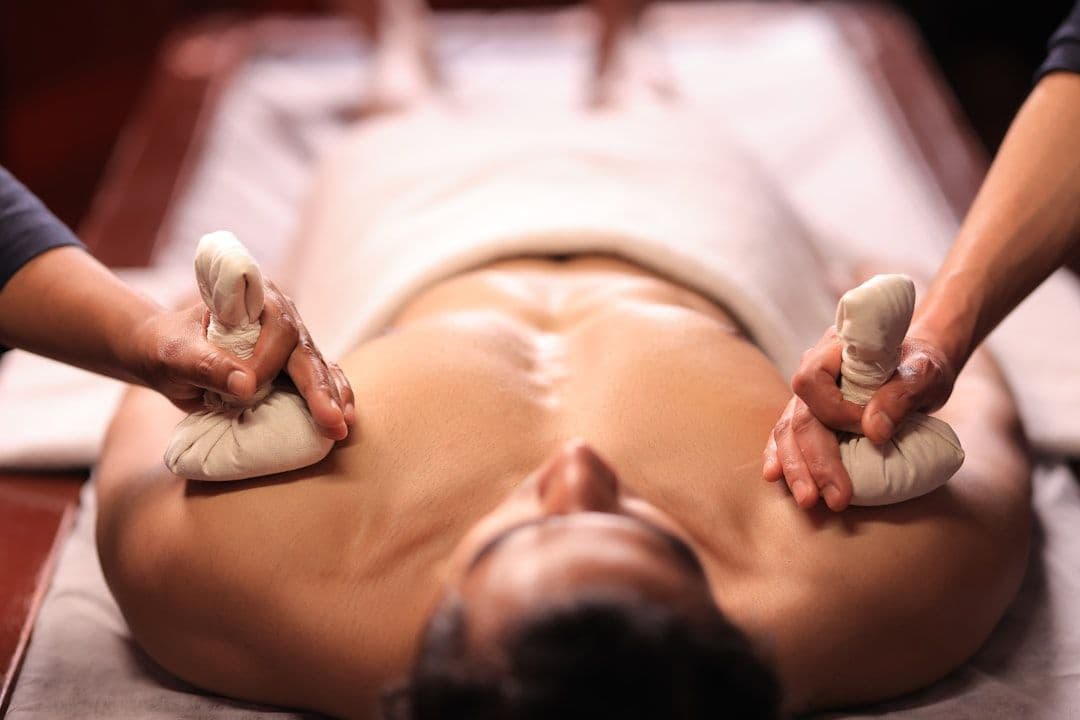
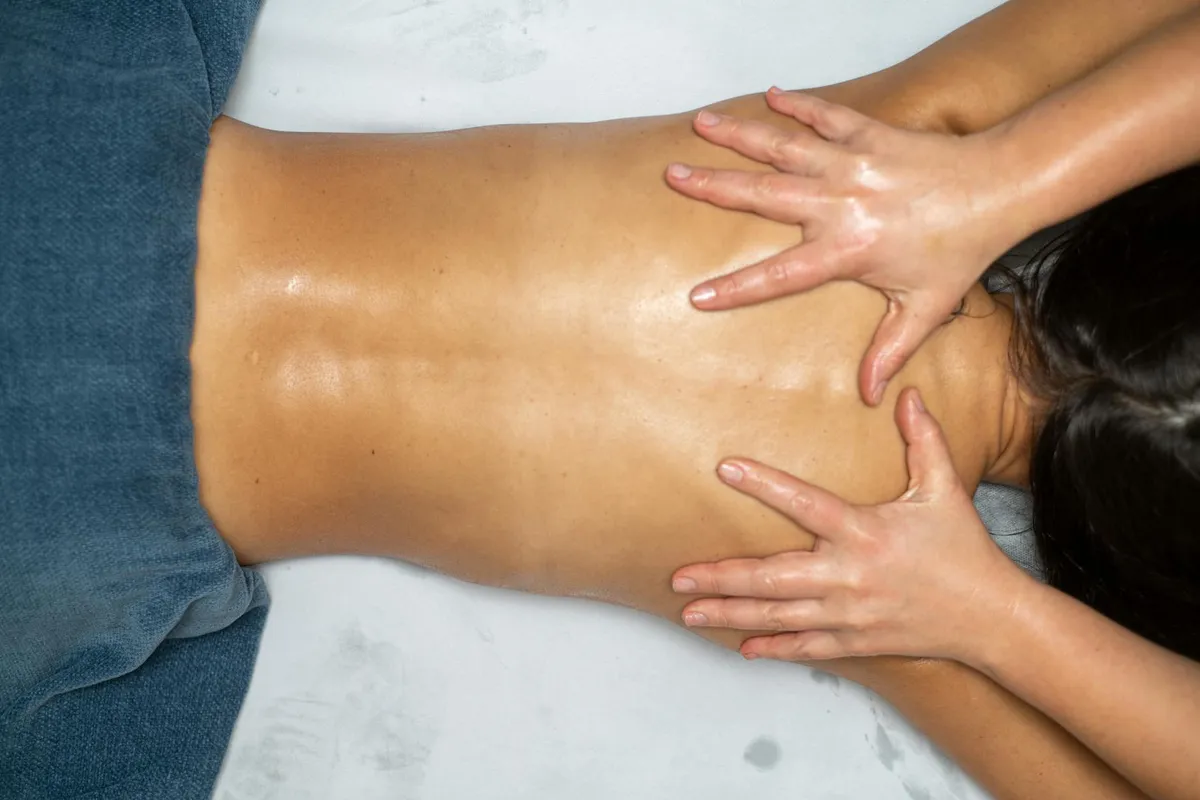
Your therapist uses techniques like deep tissue work, myofascial release, and trigger point pressure to address the specific muscles and connective tissue identified in your assessment.
Your therapist will regularly ask about pressure and sensation — some techniques may feel like a deep ache or mild intensity, which is normal, but you should always feel in control.
The session closes with lighter strokes to help your nervous system settle, and you'll be given a moment to rest before slowly sitting up to avoid any lightheadedness.
Your therapist shares specific stretches, movement tips, or self-care advice to support the work done during the session and help your results last longer between visits.
The Evidence
What research says about remedial massage for musculoskeletal pain, injury recovery, and clinical soft-tissue care.
Meaningful support for musculoskeletal pain, with some caveats
Remedial massage draws on a growing body of manual therapy research showing short-term benefits for back and neck pain. Evidence quality varies, and the clinical assessment approach used in remedial massage is not always reflected in general massage research.
A Cochrane review found massage beneficial for subacute and chronic low back pain. Separate reviews support short-term neck pain relief. Specific techniques like trigger point therapy and myofascial release have growing individual evidence bases. Overall evidence is moderate — promising but not definitive.
Many massage RCTs do not specify whether a clinical or relaxation approach was used, making it difficult to isolate remedial massage outcomes specifically. The assessment, treatment planning, and exercise prescription components that define remedial practice are rarely captured in research designs.
The structured assessment, functional outcome measurement, and exercise prescription used in remedial massage align it closely with physiotherapy approaches, which carry stronger evidence. This overlap supports its role within multidisciplinary musculoskeletal care, though it is not a substitute for professional medical assessment.
Temporary soreness after deep tissue work is common and usually resolves within 48 hours. Deep pressure is not appropriate over acute inflammation, recent surgical sites, or compromised skin. Practitioners should screen for red flags — unexplained weight loss, night pain, or neurological symptoms — and refer to a medical professional when indicated.
In Australia, remedial massage therapists hold a minimum Diploma of Remedial Massage and are registered with bodies such as Massage and Myotherapy Australia. Only practitioners with recognised qualifications can provide services eligible for private health fund rebates. Professional indemnity insurance is a standard requirement.
Remedial massage is best understood as a complementary component of musculoskeletal care — useful alongside physiotherapy, medical management, or self-directed exercise. It is not a standalone intervention for serious injury or complex conditions, and inflated outcome claims should be viewed with caution.
Safety first
General guidance to help you decide whether this approach is appropriate for you. This is informational only and not a substitute for medical, psychological, or professional advice.
Mild, short-lived effects such as tenderness, tiredness, or temporary soreness can occur. Rest, hydrate, and tell your practitioner how you respond.
If you are pregnant, managing a health condition, recovering from injury or surgery, or taking medication, consult a qualified healthcare professional first.
Some situations call for extra care or a different approach. Share any conditions, injuries, or sensitivities with your practitioner before your first session.
Look for clear boundaries, transparent pricing, and practitioners who avoid fear-based claims or pressure to book frequent sessions.
For you?
A simple, human way to weigh it up. This is general guidance, not personal medical advice — a qualified practitioner can advise on your situation.
Gyfts is a discovery platform, not a medical provider. Nothing here diagnoses, treats or replaces professional care. In an emergency, contact your local emergency number.
Explore approaches
Other practices people often explore alongside remedial massage.
In their words
FAQ
Remedial massage begins with clinical assessment (postural analysis, range-of-motion testing) and targets specific musculoskeletal problems with techniques chosen for their therapeutic effect. Relaxation massage uses flowing, generalised techniques primarily for stress relief and wellbeing. The distinction is regulatory in Australia, where only remedial massage qualifies for health fund rebates.
Remedial massage may involve firm pressure, particularly for trigger point work and deep tissue techniques. Some discomfort during treatment is normal, but it should not be intolerable. Temporary soreness after treatment typically resolves within 24–48 hours. Your therapist should always check your comfort level.
This depends on the condition. Acute, straightforward complaints may resolve in 3–6 sessions. Chronic or complex conditions may require longer-term management. Your therapist will discuss expected timeframes after initial assessment and adjust based on progress.
In Australia, remedial massage by qualified practitioners is typically covered under extras/ancillary health insurance. In the UK and Ireland, coverage varies by insurer and policy. Check with your specific health fund for coverage details.
No referral is needed in most cases. Remedial massage therapists are primary contact practitioners who can assess and treat musculoskeletal conditions directly. They will refer to other healthcare providers if they identify issues outside their scope.
In Australia, minimum qualification is a Diploma of Remedial Massage (HLT52021) or equivalent. In the UK, look for practitioners with Level 4 or 5 qualifications in sports or remedial massage. Professional association membership and indemnity insurance are essential markers of a qualified practitioner.
Allow 60–90 minutes. The session begins with health history, discussion of your complaint, and physical assessment. Hands-on treatment follows, focused on identified problem areas. You''ll receive home exercises and advice. Wear comfortable clothing that allows access to treatment areas.
References
Educational sources that inform this overview. Inclusion is for context and does not imply endorsement.
Full citations are maintained by the Gyfts editorial team and reviewed periodically.
Keep exploring
Browse practitioners, explore honest overviews, and take what you learn to a conversation — at your own pace.