A Practice Built for Profound Rest
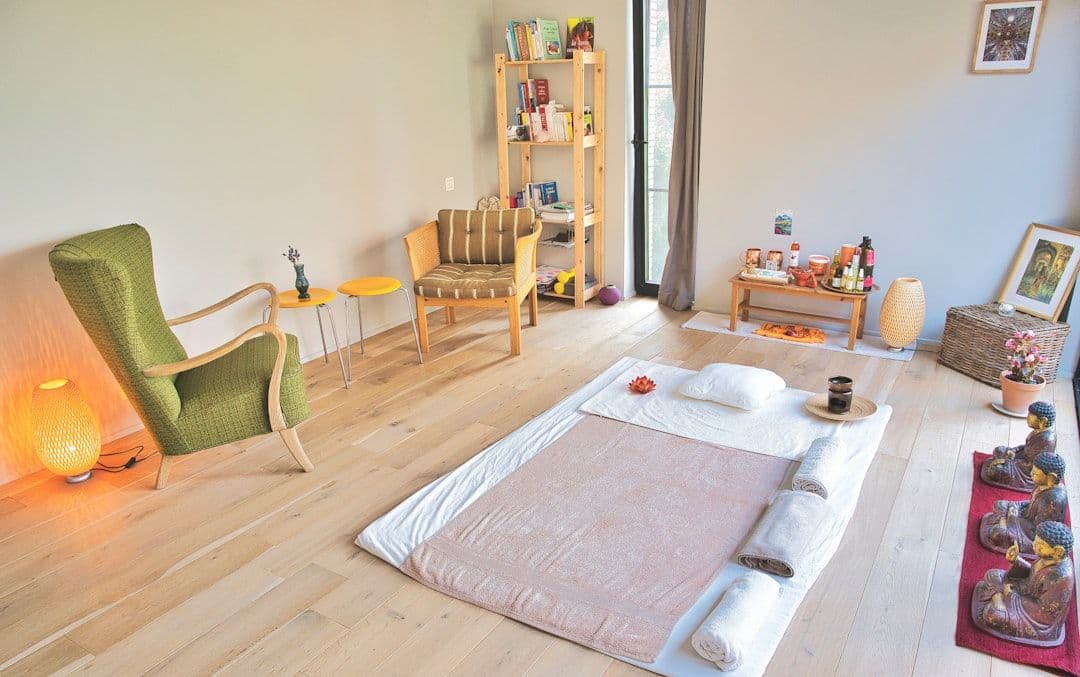
Picture yourself lying fully clothed on a comfortable treatment table, soft music playing whilst a practitioner gently places their hands on or just above specific points along your body. The room is warm, dimly lit, perhaps scented with subtle aromatherapy. For the next hour, your only task is to breathe and receive.
This is Restorative Reiki—a specialised form of the Japanese energy healing practice that places extraordinary emphasis on creating conditions for deep relaxation and renewal. Unlike other Reiki approaches that might focus on specific ailments or energetic blockages, Restorative Reiki centres entirely on activating your body's natural capacity for rest and restoration.
Practitioners often describe it as 'Reiki for the overwhelmed nervous system'—a practice specifically designed for our contemporary need to truly switch off and reset.
Roots in Japanese Energy Healing Tradition
Restorative Reiki emerges from the broader tradition of Usui Reiki, developed by Japanese Buddhist Mikao Usui in the early 20th century. Usui's original practice focused on channelling universal life energy—known as 'ki' or 'qi'—through specific hand positions to support healing and spiritual development.
Whilst traditional Reiki has always emphasised relaxation, the specifically 'restorative' approach developed as Western practitioners began integrating principles from trauma-informed care, nervous system regulation, and modern stress research. This evolution honours the original Japanese framework whilst adapting the practice for contemporary needs.
The underlying philosophy remains unchanged: practitioners serve as conduits for universal life energy, which naturally flows to areas requiring balance or support. Within this worldview, deep rest isn't merely the absence of activity—it's an active state of receiving and renewal.
How Universal Energy Meets Modern Stress
Within traditional Reiki understanding, practitioners attune themselves to channel ki through their hands to recipients. This energy is considered intelligent and self-directing, flowing where needed without the practitioner's conscious control or diagnosis.
From a biomedical perspective, the gentle touch, peaceful environment, and prolonged stillness characteristic of Restorative Reiki sessions may activate the parasympathetic nervous system—often called our 'rest and digest' response. This physiological shift can slow heart rate, deepen breathing, and reduce stress hormone production.
Sessions typically unfold with you lying comfortably whilst the practitioner places their hands lightly on or slightly above traditional Reiki positions—the head, torso, and limbs. Some practitioners incorporate elements like guided breathing, gentle sound, or visualisation to deepen the restorative state. The pace is deliberately unhurried, allowing maximum time for nervous system regulation.
Many recipients report entering states of consciousness between waking and sleeping—a liminal space where profound rest becomes possible.
Who Seeks This Gentle Practice
Restorative Reiki particularly appeals to people whose nervous systems feel persistently activated—those managing chronic stress, caregivers experiencing burnout, or individuals navigating significant life transitions. Unlike more active healing modalities, it requires nothing from recipients beyond presence and openness to rest.
Parents of young children, healthcare workers, and people in demanding careers often seek this practice when they've forgotten how to truly relax. It's also chosen by those dealing with grief, relationship changes, or periods of uncertainty who need gentle support without having to process or analyse their experience.
Some people incorporate Restorative Reiki during recovery from illness or medical procedures, viewing it as complementary support for their healing process. Others use it preventatively, recognising that regular deep rest supports overall resilience and wellbeing.
What Happens in a Session
Sessions typically begin with a brief conversation about your current state and any specific areas of tension or concern. You'll remain fully clothed, removing only shoes and perhaps heavy jewellery or belts for comfort.
Lying on a massage table covered with soft blankets, you might be offered an eye pillow or bolster for additional comfort. The practitioner will likely explain their hand positions and ask about your comfort with gentle touch—some people prefer hands placed directly on the body, others prefer hands hovering just above.
The session unfolds in comfortable silence or with soft ambient music. Practitioners typically begin at the head, moving systematically through traditional Reiki positions. Each hand placement lasts several minutes, creating a rhythm that naturally encourages deeper relaxation.
Some people fall asleep, others enter meditative states, and some simply enjoy the rare opportunity to lie still without agenda. Sessions conclude with a few minutes of gentle grounding before slowly returning to sitting.
Finding Qualified Practitioners
In the UK, reputable Reiki practitioners often hold registration with the Complementary & Natural Healthcare Council (CNHC) or membership with professional bodies like the UK Reiki Federation. Look for practitioners who've completed comprehensive training programmes and maintain professional insurance.
Sessions typically cost between £40-80, varying by location and practitioner experience. Many practitioners offer initial consultations to discuss your needs and explain their approach. Some integrate Restorative Reiki with other modalities like aromatherapy or sound therapy.
Consider scheduling sessions during periods when you can rest afterwards rather than returning immediately to demanding activities. Many people find monthly sessions supportive, though frequency depends entirely on individual needs and circumstances.
Whilst Reiki operates outside conventional medical frameworks, experienced practitioners understand its role as complementary support. They should never suggest discontinuing medical treatment or claim to diagnose or cure specific conditions.