What it is
A Japanese energy practice using gentle touch to encourage deep relaxation and balance.
Restorative Reiki is a gentle energy healing practice that combines traditional Reiki principles with an emphasis on deep relaxation and ...

At a glance
What it is
A Japanese energy practice using gentle touch to encourage deep relaxation and balance.
Why explore it
People seek it for stress relief, better sleep, emotional healing, or to support medical recovery.
How it’s experienced
You lie fully clothed while a practitioner's hands rest lightly on or above your body.
Evidence context
Rooted in Japanese tradition, with some relaxation benefits reported, though clinical evidence is limited.
See the evidence snapshotSafety
Generally very safe, but use it alongside conventional care, not as a replacement for medical treatment.
See staying safeHistory & Origin
Restorative Reiki is a Reiki practice that emphasizes restorative healing, relaxation, and overall well-being.
Reiki originated in Japan in the early 1920s, developed by Mikao Usui, a spiritual seeker who synthesized Buddhist teachings, Shinto practices, and his own spiritual experiences into a systematic healing method. Usui believed in channeling universal life energy (ki) through trained practitioners to promote healing on physical, emotional, and spiritual levels. The practice remained relatively localized in Japan until the mid-20th century, when it spread to Hawaii and the Western world, primarily through the teaching lineage of Hawayo Takata, a Japanese-American practitioner who adapted Reiki for Western audiences.
Restorative Reiki emerged as a specialized branch of traditional Reiki practice, emphasizing the deeply calming and rejuvenating aspects of the work. While traditional Reiki maintains a broad healing focus, Restorative Reiki deliberately creates conditions for profound rest and recovery, aligning with contemporary wellness approaches that recognize the healing power of deep relaxation. This approach gained prominence in the late 20th and early 21st centuries as interest in stress management and holistic wellness practices expanded globally.
The practice has been integrated into complementary health settings worldwide, with practitioners trained through various lineage schools and professional organizations. Modern Restorative Reiki maintains the foundational principles of Usui Reiki while adapting presentation and environment to support contemporary clients seeking relief from stress, burnout, and the effects of demanding lifestyles. The modality continues to evolve while honoring its spiritual and cultural roots.
Mechanism
Restorative Reiki is best framed as a traditional, symbolic, energetic, reflective, or spiritual practice rather than a validated medical mechanism. Practitioners may use ritual, attention, sound, imagery, touch-free work, cards, symbols, prayer, or intention to support meaning-making and a sense of connection. People may explore it for reflection, calm, or spiritual context, while health claims should remain cautious and personal. A practitioner channels universal life energy (ki) through their hands, typically placing them on or just above your body in specific positions, while you remain fully clothed and lying down in a comfortable, quiet space.
Your first visit
A typical session outline to help you feel prepared
A Restorative Reiki session blends gentle energy work with deep rest, guiding you into a calm, supported state through intentional touch and focused intention.
Your practitioner warmly greets you and asks about your energy levels, stress, and any areas of tension or emotional weight you've been carrying lately.
Together you'll identify a simple intention for the session, such as releasing anxiety or finding stillness, which helps your practitioner focus the energy work.
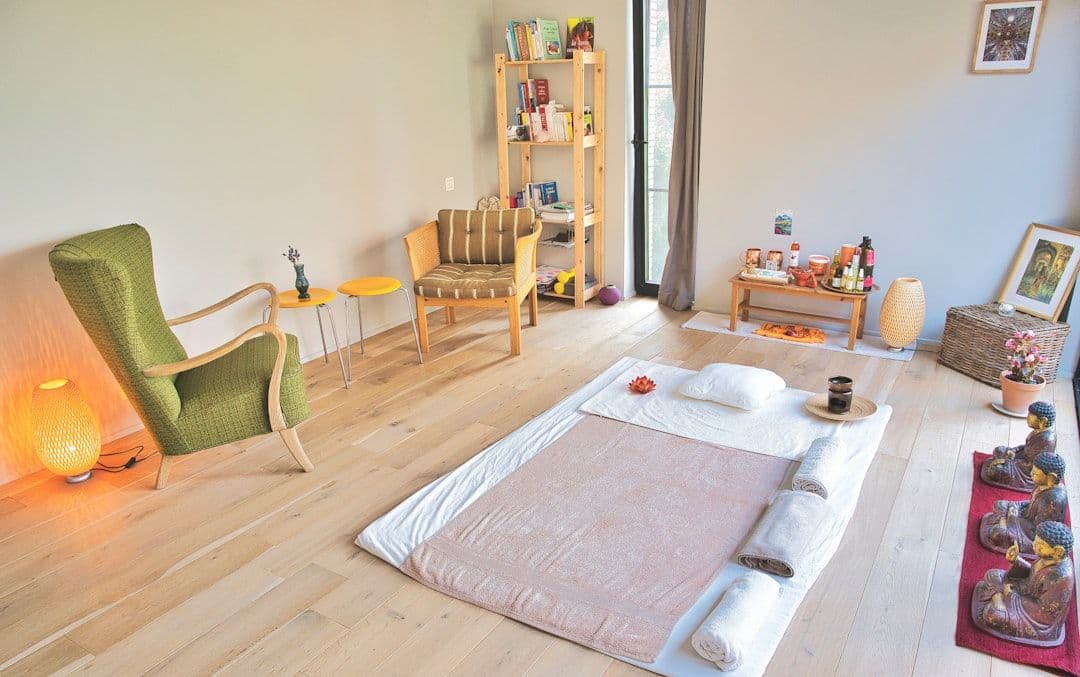
You lie fully clothed on a padded table, often with a bolster under your knees and a light blanket, so your body can settle into complete relaxation.
Your practitioner takes a quiet moment to center themselves and attune to the Reiki energy before beginning, creating a calm and intentional space around you.
Using their hands held just above your body, your practitioner scans your energy field to notice areas that feel dense, cool, warm, or blocked before touch begins.
Soft, still hand placements move slowly through positions along your head, shoulders, torso, and limbs, channeling Reiki energy to areas that feel ready to receive it.
You may notice warmth, gentle tingling, emotional waves, or simply drift into a deeply restful state as the energy settles, all of which are completely normal responses.
Your practitioner gently brings the session to a close, gives you a moment to reorient, and shares simple aftercare suggestions like drinking water and resting if needed.
The Evidence
What research and tradition tell us about Restorative Reiki, and where the evidence is still developing.
Relaxation benefits reported; clinical evidence remains limited
Restorative Reiki is supported by longstanding traditional use and subjective reports of relaxation and well-being. Rigorous clinical evidence is limited, and its proposed mechanisms fall outside conventional biomedical frameworks.
Systematic reviews of Reiki find modest positive effects on stress, anxiety, and subjective well-being, often comparable to other relaxation approaches. However, most studies involve small samples, limited blinding, and difficulty controlling for placebo effects. Current evidence supports Reiki as a relaxation practice, not as a standalone intervention for specific health conditions.
Rooted in the idea that well-being arises from balance across multiple dimensions, Restorative Reiki is designed to support rest, recovery, and inner equilibrium. This holistic orientation aligns with growing recognition in wellness research that relaxation and nervous system regulation contribute meaningfully to overall health, even when specific mechanisms remain unclear.
Usui's system centred on channelling universal life energy (ki) to support healing across physical, emotional, and spiritual dimensions. Restorative Reiki emerged as a branch emphasising deep rest and recovery. These traditions predate modern clinical research and carry meaning within their own cultural and spiritual frameworks, independent of biomedical validation.
Reiki's proposed mechanism — the flow of ki through a practitioner's hands — sits outside conventional biomedical frameworks, making empirical study challenging. This does not invalidate the subjective experiences of recipients, but it does mean that inflated outcome claims should be viewed critically. Reiki is best understood as a complementary relaxation practice, not a substitute for professional assessment or medical care.
Consult your doctor before starting if you have acute pain, active infection, severe mental health symptoms, or are pregnant. Reiki does not replace professional medical care. Always inform your healthcare team about all wellness practices you are using, particularly if you have complex health conditions or are taking medications.
Look for practitioners trained in recognised Reiki lineages with specific experience in restorative approaches. Ask about their training background, how many sessions they recommend, and what a session involves. A reputable practitioner will not make inflated outcome claims, will respect your boundaries, and will encourage you to maintain your existing medical care alongside any Reiki sessions.
Safety first
General guidance to help you decide whether this approach is appropriate for you. This is informational only and not a substitute for medical, psychological, or professional advice.
If you are pregnant, managing a health condition, recovering from injury or surgery, or taking medication, consult a qualified healthcare professional first.
Some situations call for extra care or a different approach. Share any conditions, injuries, or sensitivities with your practitioner before your first session.
Mild, short-lived effects such as tenderness, tiredness, or temporary soreness can occur. Rest, hydrate, and tell your practitioner how you respond.
Look for clear boundaries, transparent pricing, and practitioners who avoid fear-based claims or pressure to book frequent sessions.
For you?
A simple, human way to weigh it up. This is general guidance, not personal medical advice — a qualified practitioner can advise on your situation.
Gyfts is a discovery platform, not a medical provider. Nothing here diagnoses, treats or replaces professional care. In an emergency, contact your local emergency number.
Explore approaches
Other practices people often explore alongside restorative reiki.
In their words
FAQ
You lie fully clothed on a comfortable table in a calm, warm environment. The practitioner places their hands lightly on or near your body, moving slowly through different positions to channel healing energy. Most people experience deep relaxation, and many drift into a light sleep or meditative state. Sessions typically last 50–90 minutes, and afterward you may feel peaceful, grounded, and deeply rested.
This varies by individual and goals. Some people benefit from a single session for immediate stress relief, while others find that regular sessions—weekly, bi-weekly, or monthly—create cumulative benefits for ongoing balance and wellness. Your practitioner can discuss what approach might serve you best based on your situation and response to treatment.
Restorative Reiki is rooted in traditional Reiki principles but places particular emphasis on creating conditions for deep rest, rejuvenation, and recovery. While traditional Reiki addresses healing broadly, Restorative Reiki deliberately optimizes the environment, pacing, and focus to maximize the relaxation and restorative benefits of the practice.
Yes. Reiki doesn't require belief to work—many practitioners report that skeptical clients experience profound relaxation and benefit. The practice operates independently of your beliefs; openness to relaxation and rest is more important than faith in the energy work itself.
Common experiences include deep relaxation, warmth, tingling, heaviness in the limbs, or simply peaceful quiet. After treatment, most people feel calm and grounded for hours or days. Some experience temporary emotional release or shifts in energy as their body processes the treatment—this is generally a sign the work is supporting your healing.
Yes, Restorative Reiki is generally safe as a complementary support during medical treatment. Always inform both your healthcare provider and your Reiki practitioner about all treatments you're receiving so they can coordinate care. Reiki does not interfere with medications or conventional therapies.
Yes, Restorative Reiki is safe across the lifespan. Sessions may be adapted for children (shorter duration, adjusted positioning) or elderly clients (accommodations for mobility or comfort). Discuss any specific health considerations with your practitioner beforehand.
Practitioners typically complete Reiki training at one or more levels (usually Level 1, 2, and Master/Teacher), often through recognized lineage schools or professional organizations. Many specialize in Restorative approaches through additional training or experience. Look for practitioners who openly share their training background and credentials.
References
Educational sources that inform this overview. Inclusion is for context and does not imply endorsement.
Full citations are maintained by the Gyfts editorial team and reviewed periodically.
Keep exploring
Browse practitioners, explore honest overviews, and take what you learn to a conversation — at your own pace.