Preparing for Your Session
Wear comfortable, loose-fitting clothing in natural fibers if possible. Avoid heavily scented products, perfumes, or fabric softeners that might interfere with olfactory work. Remove jewelry that could catch on equipment or distract during tactile activities.
Eat a light meal 1-2 hours beforehand rather than arriving hungry or overly full, as both states can affect sensory processing. Avoid caffeine if you're sensitive to stimulants, though this depends on your individual response patterns.
Bring a water bottle and perhaps a small comfort item if you're feeling anxious. Your practitioner will likely ask you to complete a sensory profile questionnaire beforehand, noting your responses to different types of input—bright lights, loud sounds, certain textures, or movement.
The Assessment and Setup Phase
Your practitioner begins by observing how you respond to the clinic environment itself. They notice whether you seek out or avoid certain textures, sounds, or lighting levels. This informal assessment continues throughout your first session.
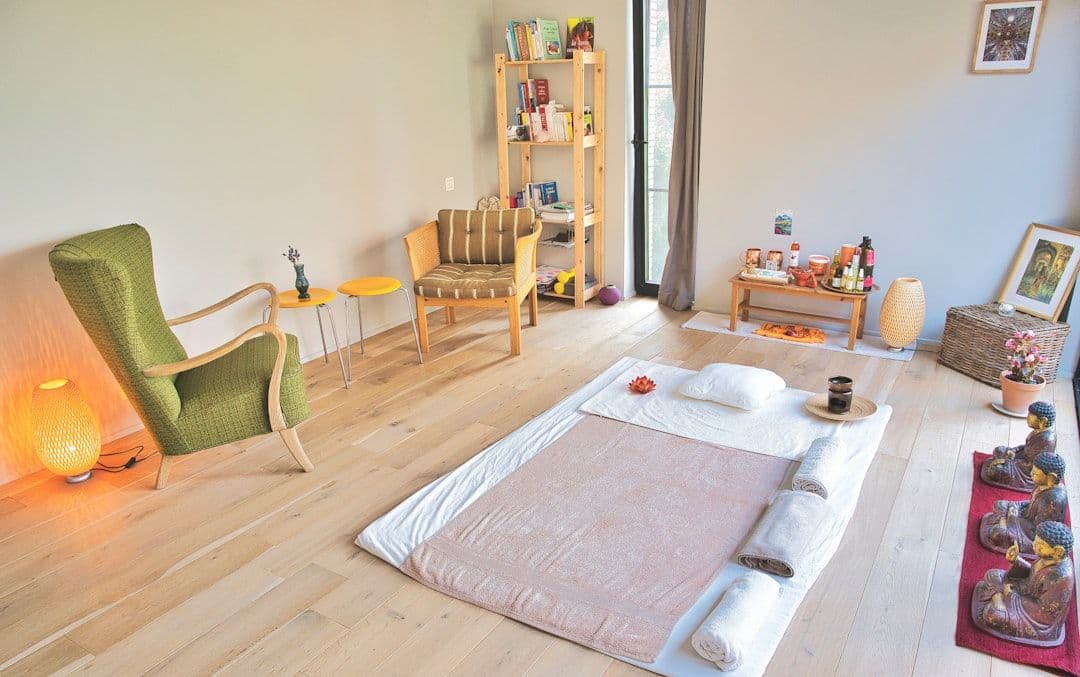
The room is typically equipped with various sensory tools: weighted blankets, textured surfaces, different lighting options, sound equipment, and possibly swings or balance equipment. Everything feels deliberately chosen rather than randomly assembled.
Your practitioner explains each activity before introducing it, often demonstrating first. They watch for your immediate responses—do your shoulders tense with certain sounds? Do you naturally gravitate toward or away from specific textures? This information shapes everything that follows.
The Active Sensory Work
Sessions typically last 45-60 minutes and move through different types of sensory input systematically. You might start with proprioceptive work—activities that help you sense your body in space. This could involve gentle pressure through weighted blankets, resistance exercises, or work with therapy balls.
Tactile exploration follows a careful progression. Your practitioner introduces different textures gradually, perhaps starting with familiar materials before moving to more challenging ones. They observe whether you seek more input or need breaks to process.
Sound work might include specific frequencies, nature sounds, or music designed to either alert or calm your nervous system. Visual elements could involve colored lights, patterns, or environments that support different states of arousal. Throughout, your practitioner adjusts intensity based on your real-time responses.
Movement activities vary enormously depending on your needs. Some people benefit from slow, rhythmic motions while others require more vigorous input to help their nervous system organize information effectively.
During and After the Session
Many people notice immediate changes in their alertness levels, muscle tension, or emotional state during the session. You might feel unexpectedly tired or energized. Some experience emotional releases—sudden tears or laughter without obvious triggers.
Your nervous system continues processing the sensory input for hours afterward. You might sleep more deeply that night or feel temporarily more sensitive to everyday sensory experiences. These responses usually settle within 24-48 hours as your system integrates the work.
Some people report improved focus or emotional regulation in the days following their session. Others notice they're more aware of their sensory preferences and triggers in daily life. Occasionally, people feel temporarily overwhelmed or "raw" as their nervous system recalibrates.
Post-Session Care
Plan for a calm evening after your first few sessions. Avoid overwhelming environments like busy shopping centers or loud restaurants for at least a few hours. Your nervous system needs time to integrate the sensory experiences.
Stay well-hydrated and maintain regular sleep patterns. Some practitioners recommend gentle activities like walking in nature or taking a warm bath to support the integration process.
Keep a brief record of how you feel over the following days. Note any changes in sleep, mood, concentration, or responses to everyday sensory experiences. This information helps your practitioner adjust future sessions.
Treatment Course and Progress
Most practitioners recommend starting with weekly sessions for 6-8 weeks to establish a baseline response pattern. Progress often feels subtle at first—you might notice small improvements in sleep quality or emotional regulation before dramatic changes occur.
Children typically show responses more quickly than adults, often within 3-4 sessions. Adults may need 6-8 sessions before noticing significant shifts, particularly if they're addressing long-standing patterns.
Sessions become more spaced out as you progress—perhaps fortnightly, then monthly. Some people continue with occasional "maintenance" sessions, particularly during stressful periods when their sensory system feels more reactive. Your practitioner tracks progress through formal reassessments every few months alongside your subjective reports of daily functioning.