What Happens in Spiritual Connection Work
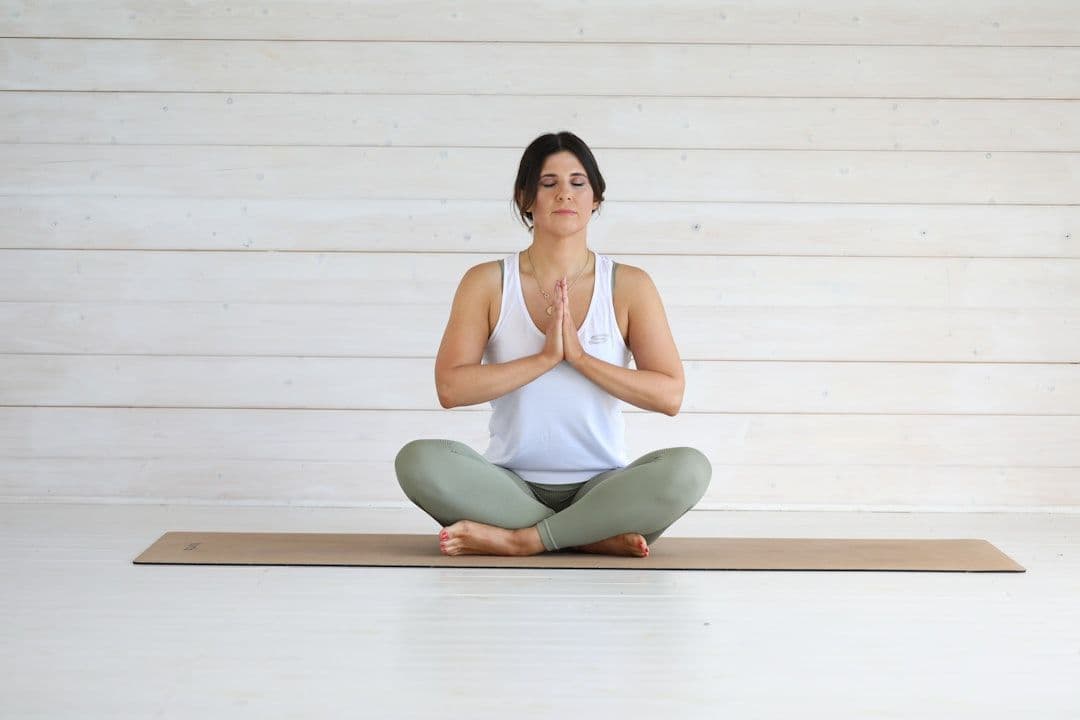
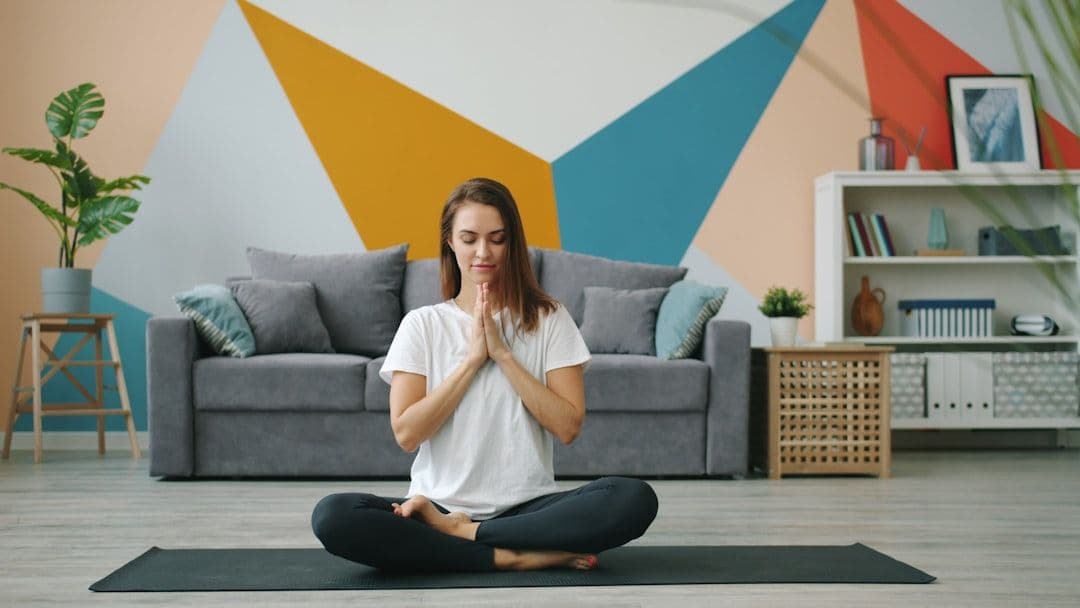
A practitioner might begin by inviting you to settle into stillness, perhaps through gentle breathing exercises or progressive relaxation. The space often feels deliberately quiet and conducive to introspection. Some sessions incorporate guided visualisations where you might imagine roots extending from your body into the earth, or light moving through your energy centres.
Practitioners frequently use energy awareness techniques, asking you to notice sensations in different parts of your body or to visualise energy flowing in particular patterns. You might be guided to place attention on your heart centre whilst contemplating a personal question, or to imagine connecting with what the tradition might call universal consciousness or divine presence.
The approach tends to be highly individualised. Some people resonate with prayer-like practices, others with meditation techniques, and still others with movement or breathwork. Practitioners typically adapt their guidance based on your comfort level and spiritual background, whether that's Christian contemplation, Buddhist mindfulness, or secular approaches to meaning-making.
Roots in Contemplative and Mystical Traditions
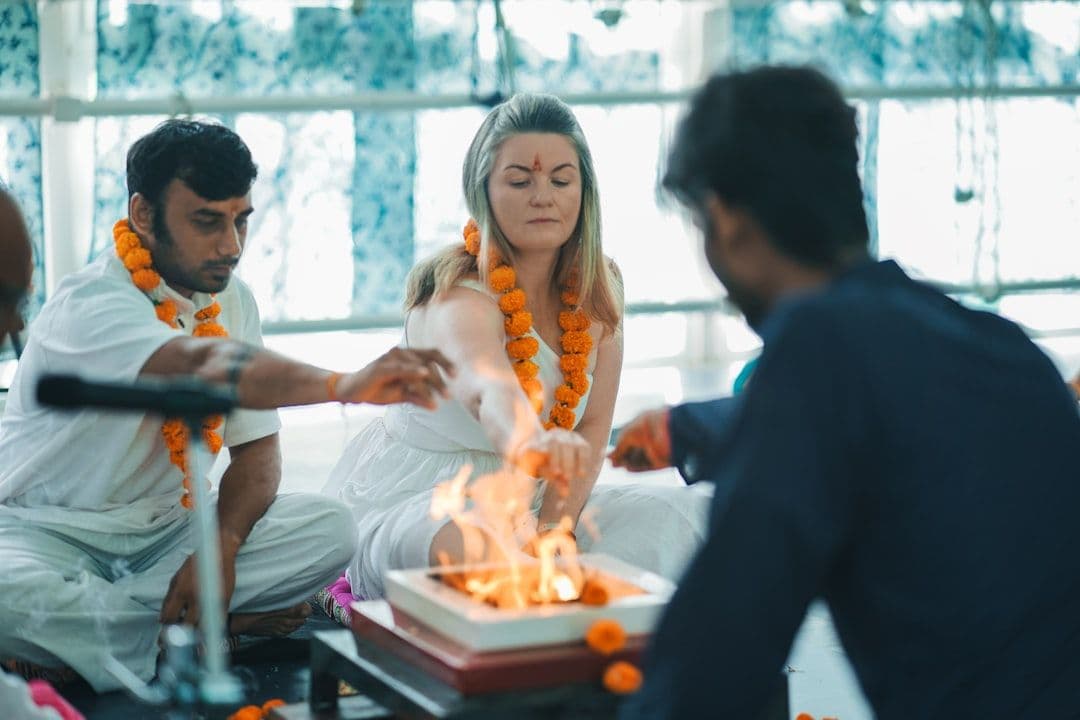
These practices draw from contemplative traditions spanning centuries and cultures. Christian mystics like Meister Eckhart wrote about union with the divine through contemplative prayer. Buddhist meditation practices emphasise awareness and interconnectedness. Hindu traditions explore consciousness through pranayama and energy work. Indigenous cultures worldwide have developed their own approaches to spiritual connection through ritual, ceremony, and relationship with the natural world.
What contemporary spiritual connection work does is synthesise elements from these diverse traditions, often adapting ancient techniques for modern seekers who may not identify with a single religious framework. Practitioners might integrate Sufi breathing practices with chakra awareness, or combine Celtic nature-based spirituality with mindfulness techniques.
This eclecticism reflects how spiritual seeking has evolved in pluralistic societies, where people often create personal spiritual practices rather than following one prescribed path. The focus shifts from adhering to specific doctrines toward cultivating direct personal experience of what practitioners call connection, alignment, or spiritual presence.
Understanding Through Traditional Frameworks
Within contemplative traditions, spiritual connection is understood as the natural state that becomes accessible when mental activity quietens and attention shifts from everyday concerns toward deeper awareness. Many traditions describe this as recognising what was always present rather than creating something new.
Energy-based approaches understand spiritual connection through concepts like chakras, meridians, or subtle energy fields that aren't recognised in biomedical frameworks but have internal consistency within their own systems. Practitioners might speak of clearing energetic blockages, balancing energy centres, or attuning to higher frequencies of consciousness.
Prayer-based approaches frame connection as relationship — with the divine, with universal love, or with one's highest self. This relational understanding emphasises qualities like surrender, receptivity, and trust rather than effort or achievement. The 'work' becomes learning to get out of the way of something that wants to naturally unfold.
From a psychological perspective, these practices might support what researchers call 'self-transcendent experiences' — moments when the usual sense of separate self dissolves into something larger. Whether this reflects actual spiritual reality or beneficial shifts in brain states remains a matter of personal belief and interpretation.
Who Seeks This Kind of Support
Many people find their way to spiritual connection work during life transitions — career changes, relationship endings, loss of loved ones, or periods when previous sources of meaning feel insufficient. The practices often appeal to those who feel spiritually curious but don't connect with organised religion, or who want to explore their spiritual identity in a supportive individual setting.
Some seek this support when feeling disconnected from their values or purpose, perhaps after achieving external success that feels hollow, or when going through what spiritual traditions might call 'dark nights of the soul' — periods of spiritual dryness or existential questioning.
Others are drawn to energy work specifically, having had experiences they interpret as spiritual or energetic that they want to understand better. This might include people who feel sensitive to environments or other people's emotions, or those who've had spontaneous experiences during meditation, dreams, or life events that felt significant but difficult to integrate.
The Experience of Sessions
Sessions typically last 60-90 minutes and often begin with conversation about what you're seeking or experiencing in your life. Practitioners usually ask about your spiritual background, if any, and what approaches feel comfortable or unfamiliar.
The experiential portion might involve guided meditation with specific focus — perhaps on gratitude, forgiveness, or connecting with your sense of purpose. Some practitioners incorporate bodywork elements, using gentle touch or energy techniques like chakra balancing. Others work purely through guided visualisation, breathwork, or contemplative dialogue.
You might be invited to share what you noticed or experienced, and practitioners often help interpret these experiences through spiritual frameworks. The emphasis tends to be on validation of your subjective experience rather than analysis or problem-solving in the therapeutic sense.
Sessions frequently end with integration practices — perhaps journaling prompts, specific meditation techniques to continue at home, or suggested ways to maintain the sense of connection in daily life. Many practitioners encourage regular practice between sessions rather than expecting transformation through occasional appointments alone.
Finding Qualified Practitioners and Practical Considerations
Practitioners often come from diverse backgrounds — some trained in specific spiritual traditions, others in energy healing modalities, and some who've developed their approach through personal spiritual practice and mentoring. Look for practitioners who can clearly explain their training and approach, and who demonstrate respect for your existing beliefs rather than promoting specific spiritual viewpoints.
Sessions typically cost £40-80, with practitioners in London and larger cities often charging at the higher end of this range. Many practitioners offer initial consultations at reduced rates to assess compatibility. Some work through spiritual centres or holistic health clinics, whilst others practise independently.
Frequency varies considerably based on individual needs and the practitioner's approach. Some people benefit from weekly sessions during intensive periods of spiritual exploration, whilst others prefer monthly or occasional sessions for ongoing support. Many practitioners emphasise that the real work happens in daily life between sessions.
When choosing a practitioner, consider whether you prefer someone trained in specific traditions (Buddhist mindfulness, Christian contemplation, energy healing systems) or someone who integrates multiple approaches. Most importantly, assess whether you feel comfortable being vulnerable in their presence, as spiritual connection work often involves sharing deeply personal experiences and insights.