What it is
A reflective practice using meditation and prayer to explore meaning and inner alignment.
Spiritual Connection is a metaphysical practice focused on deepening one's relationship with higher consciousness, divine purpose, and sp...

At a glance
What it is
A reflective practice using meditation and prayer to explore meaning and inner alignment.
Why explore it
Many find this work supports peace, purpose, and clarity — especially during life's bigger transitions.
How it’s experienced
Sessions may include guided meditation, open dialogue, or energy awareness, shaped by your own beliefs.
Evidence context
Benefits are rooted in ancient wisdom traditions and personal experience rather than clinical research.
See the evidence snapshotSafety
Low-risk for most adults; those with mental health concerns should consult a professional first.
See staying safeHistory & Origin
Spiritual - Connection focuses on nurturing spiritual connection and alignment with higher consciousness and purpose.
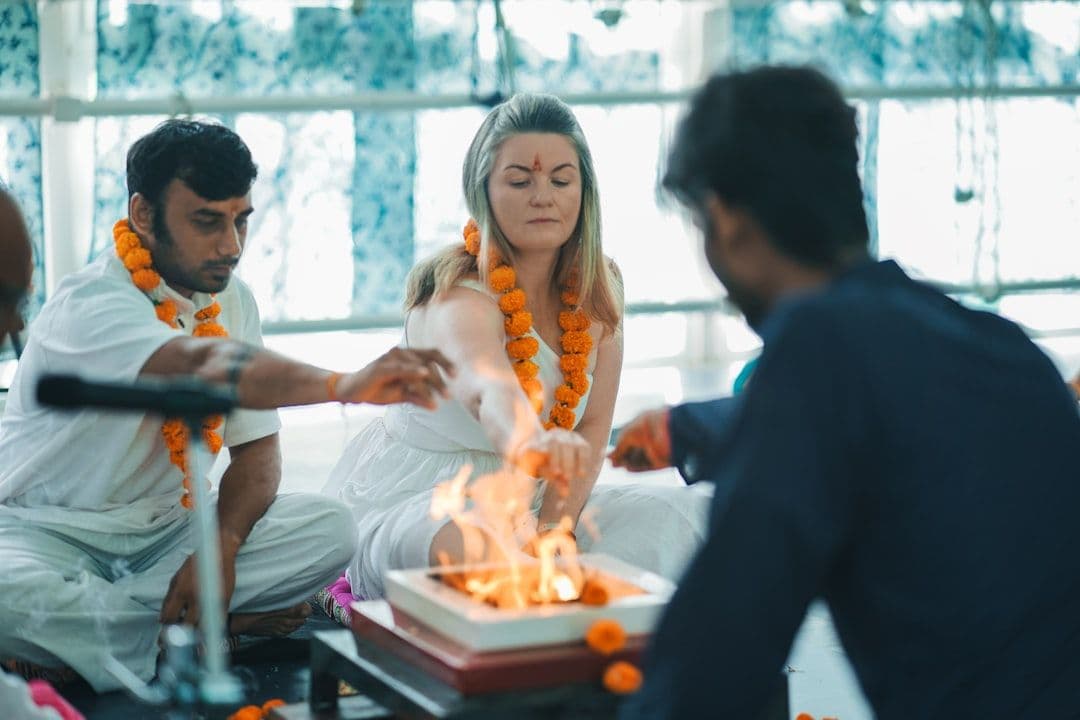
Spiritual connection practices have roots in ancient spiritual traditions across cultures—from Hindu meditation and yoga philosophy to Buddhist mindfulness teachings, Christian contemplative prayer, Sufi mysticism, and indigenous shamanic practices. These diverse traditions all recognized the human capacity to connect with something greater than oneself, whether framed as divine consciousness, universal energy, or higher purpose. The modern formalized practice of "Spiritual Connection" emerged in the late 20th century as Western practitioners integrated insights from Eastern philosophies, indigenous wisdom, and contemporary psychology into structured modalities. Key figures in this integration include Deepak Chopra, Wayne Dyer, and various contemporary spiritual teachers who synthesized ancient practices with modern wellness frameworks. The modality has grown significantly alongside the broader complementary health movement, as individuals increasingly seek meaning, purpose, and transcendent experiences outside traditional religious institutions.
Mechanism
Spiritual Connection is best framed as a traditional, symbolic, energetic, reflective, or spiritual practice rather than a validated medical mechanism. Practitioners may use ritual, attention, sound, imagery, touch-free work, cards, symbols, prayer, or intention to support meaning-making and a sense of connection. People may explore it for reflection, calm, or spiritual context, while health claims should remain cautious and personal. Spiritual connection practices facilitate alignment through deliberate engagement with contemplative, meditative, or devotional techniques rooted in various spiritual traditions.
Your first visit
A typical session outline to help you feel prepared
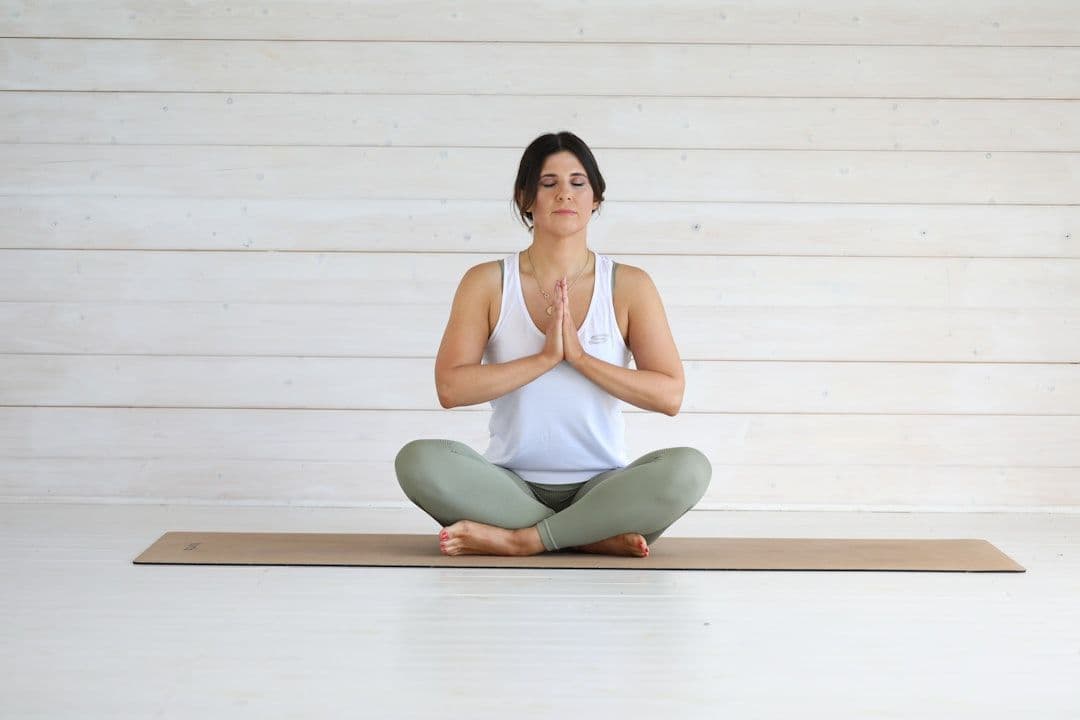
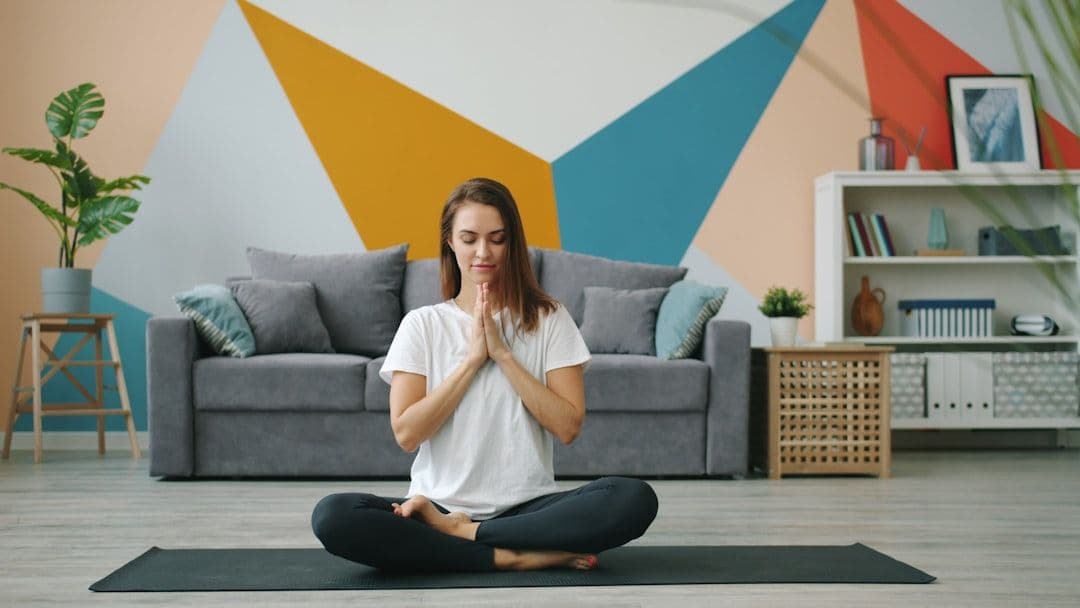
A Spiritual Connection session guides you inward through conversation, meditation, and personalized practices to help you explore your sense of purpose, peace, and inner awareness.
Your practitioner greets you warmly and invites you to get comfortable, whether seated or lying down. This opening moment is intentionally unhurried, giving you time to arrive fully and leave the outside world behind.
You'll have an open conversation about what drew you to this session, your spiritual background if any, and what you're hoping to explore or feel. There are no right or wrong answers here, just honest
Your practitioner may dim lighting, use gentle music, aromatherapy, or candles to create a calm, sacred atmosphere that supports inward focus. You'll be invited to take a few slow breaths together to
A short grounding or centering exercise helps anchor your attention in the present moment, often through guided breath awareness or a simple body scan. This prepares you to move into deeper spiritual
The heart of the session involves personalized guided meditation, visualization, or breathwork chosen to support your specific intentions. You might be invited to connect with inner wisdom, a sense of
Afterward, your practitioner gently invites you to share what you noticed, felt, or experienced without any pressure to have had a dramatic moment. This conversation helps you make meaning of the expe
The session closes with a grounding moment to help you return to everyday awareness feeling settled rather than spacey. Your practitioner may suggest journaling, a quiet walk, or a simple daily practi
The Evidence
What research and tradition say about spiritual connection practices, and where the evidence is strong, limited, or absent.
Rooted in tradition; limited formal research as a modality
Spiritual connection draws on millennia of contemplative wisdom across cultures. Related practices like meditation have meaningful research support, but spiritual connection as a distinct practitioner-led modality has minimal peer-reviewed evidence evaluating its specific effects.
This modality engages with subjective, meaning-based dimensions of human experience — purpose, inner alignment, and connection to something beyond the individual self. These experiences are real and significant to many people, but they resist standardised measurement. Evidence here reflects lived wisdom and practitioner tradition rather than clinical trial data.
Meditation, mindfulness, and contemplative prayer have generated substantial neuroscientific research showing changes in stress response, brain function, and wellbeing. Spiritual connection as a formalised modality shares features with these practices, but has not been independently studied in rigorous trials. Claims of specific outcomes should be viewed with appropriate caution.
From Hindu yoga philosophy and Buddhist contemplation to Christian mysticism, Sufi practice, and indigenous ceremony, humans have long cultivated connection with something greater than the individual self. The contemporary modality draws on this broad heritage, integrating insights from Eastern philosophy, indigenous wisdom, and modern psychology into structured practitioner-led sessions.
Core outcomes of spiritual connection — meaning, purpose, inner alignment — do not map neatly onto standardised scales. Experiences vary widely between individuals and traditions. This is not a flaw unique to this modality; it reflects the inherent challenge of researching deeply subjective human experience. Absence of evidence is not evidence of absence of value.
Spiritual connection practices are not a substitute for professional mental health support. People experiencing acute mental health crises, psychotic symptoms, dissociative disorders, or unprocessed trauma should work with qualified professionals before or alongside this work. Some individuals may encounter spiritual crisis or emotional destabilisation during deep practice.
Spiritual connection is not regulated in most countries. Look for practitioners who are transparent about their methods, respect your autonomy, and do not make inflated outcome claims. A good practitioner will encourage you to maintain engagement with healthcare providers for any medical or mental health conditions, and will not discourage professional care.
Safety first
General guidance to help you decide whether this approach is appropriate for you. This is informational only and not a substitute for medical, psychological, or professional advice.
If you are pregnant, managing a health condition, recovering from injury or surgery, or taking medication, consult a qualified healthcare professional first.
Some situations call for extra care or a different approach. Share any conditions, injuries, or sensitivities with your practitioner before your first session.
Look for clear boundaries, transparent pricing, and practitioners who avoid fear-based claims or pressure to book frequent sessions.
Mild, short-lived effects such as tenderness, tiredness, or temporary soreness can occur. Rest, hydrate, and tell your practitioner how you respond.
For you?
A simple, human way to weigh it up. This is general guidance, not personal medical advice — a qualified practitioner can advise on your situation.
Gyfts is a discovery platform, not a medical provider. Nothing here diagnoses, treats or replaces professional care. In an emergency, contact your local emergency number.
Explore approaches
Other practices people often explore alongside spiritual connection.
In their words
FAQ
Sessions typically involve guided meditation, breathwork, visualization, intentional dialogue, and sometimes energy awareness practices. The practitioner creates a calm, reflective space and guides you through exercises designed to deepen your sense of connection with higher consciousness or purpose. The specific practices vary by practitioner and your individual needs. You remain fully conscious and in control throughout.
There is no fixed number. Some people benefit from a single exploratory session, while others engage in ongoing work over months or years. This depends on your goals, openness, and commitment. Many practitioners recommend starting with 3-4 sessions to establish a foundation, then reassessing based on your experience and insights.
Spiritual connection can be secular or religious depending on the practitioner and your beliefs. Many practitioners work with diverse spiritual frameworks and welcome clients of all faiths and worldviews. Some explicitly integrate specific religious traditions, while others focus on universal spiritual principles. Discuss the practitioner's approach during your initial consultation.
No. While spiritual practices can support wellbeing, they are not substitutes for medical care, medication, or psychotherapy for diagnosed conditions. Spiritual connection work is best viewed as complementary—supporting your overall wellbeing alongside, not instead of, conventional treatment when needed.
Experiences vary widely. Some people report profound shifts, moments of clarity, or felt experiences of connection. Others feel subtle shifts in perspective or simply greater calm. Many experience nothing dramatic but notice gradual changes over time. Avoid expecting specific outcomes; spiritual work unfolds uniquely for each person.
Most practitioners recommend arriving in a calm, open mindset. Avoid heavy meals immediately beforehand, wear comfortable clothing, and minimize distractions beforehand. Some suggest journaling about your intentions or questions. Your practitioner will provide specific guidance. The main preparation is simply showing up with genuine interest and openness.
References
Educational sources that inform this overview. Inclusion is for context and does not imply endorsement.
Full citations are maintained by the Gyfts editorial team and reviewed periodically.
Keep exploring
Browse practitioners, explore honest overviews, and take what you learn to a conversation — at your own pace.