Before the Session: What to Expect
The days before your first spiritual direction session might bring a mix of anticipation and quiet nervousness. You may find yourself wondering what to say, whether you are prepared, or if this practice is truly right for you. These feelings are entirely normal. Spiritual direction invites you into a space of unhurried reflection, so there is no perfect way to arrive.
Before your appointment, you might consider what is stirring in your inner life right now. Are you navigating loss? Feeling disconnected from purpose? Caught in a transition? Overwhelmed by uncertainty? You do not need to rehearse or organize your thoughts into neat categories. Simply notice what is present. Some people journal a few reflections; others sit quietly. There is no right preparation.
Know that confidentiality is sacred in spiritual direction. Whatever you share will be held in trust. This permission to speak openly, without judgment, is part of what makes the space transformative. As you prepare, you might also clarify your own faith tradition or spiritual orientation—whether you follow a specific religion, practice a secular spirituality, or are still exploring. This helps you choose a director whose background aligns with yours, though many trained directors work fluidly across traditions.
Finally, remember that spiritual direction is not therapy, spiritual counseling, or advice-giving. The director is not there to solve your problems or tell you what to do. Instead, they accompany you in listening to your own inner wisdom. This shift in expectation—from external fixing to internal discovery—can ease any pressure you might feel to arrive with answers.
Arriving and Setting the Scene
When you arrive for your first session, you enter a space that has been consciously prepared for reflection. The room is typically quiet, simple, and free from interruption. You might notice soft light, perhaps a small altar or sacred object, and an atmosphere of calm attention. The physical space mirrors the interior space you are being invited to explore.
Your director greets you with genuine presence. There is no clipboard, no formal intake form, no clinical distance. Instead, you are welcomed as a whole person—not a problem to be solved, but a soul on a journey. Many people describe feeling immediately at ease, as though they have been waiting for permission to simply be heard.
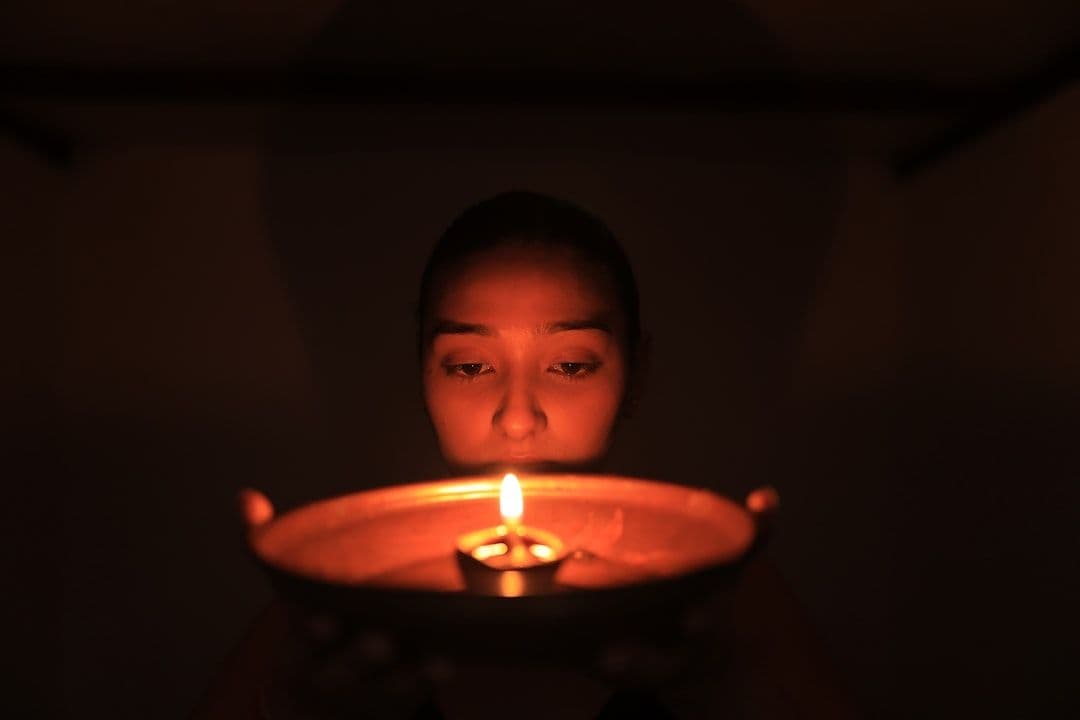
You settle into a comfortable chair facing your director, who sits with an openness and readiness to listen. There may be a brief opening—a moment of silence, a candle lit, a simple prayer or centering practice—depending on your tradition and the director's approach. This threshold helps both of you step into sacred time, a space set apart from the rush of daily life.
The director begins by explaining what spiritual direction is and how they work. They may clarify confidentiality, discuss frequency and duration, and invite your questions. This grounding helps dispel any lingering uncertainty. You are told that this is your time, that you set the pace, and that the director is present to help you listen to what the Holy One, the Universe, or your deepest self is inviting you toward. Then, gently, the director turns to you and asks an opening question: What brings you today? Or simply: What is stirring in your soul right now? And you begin.
During the Session
The session itself unfolds as conversation, but conversation of a particular quality. You speak about what is alive in you—your grief, your confusion, your longing, your sense of disconnection or your moments of grace. You might find yourself sharing something you have never articulated before, perhaps because you finally have a witness who is not trying to fix you, offer platitudes, or steer you toward a predetermined answer.
Your director listens with what is often called contemplative presence. This is not passive listening; it is active, attuned, whole-body attention. The director is listening not only to your words but to what lies beneath them—the movements of your spirit, the patterns you may not yet see, the stirrings of hope or fear or longing that animate your story. You may notice that they sit with you in silence, that they reflect back what they hear, that they ask questions that help you go deeper rather than wider.
These reflective questions are gentle and genuine: What do you notice when you sit with that feeling? Where do you sense God, or the sacred, or your own wisdom, in this situation? How might your soul be inviting you to grow? The questions are not interrogations but invitations into your own knowing. Often, you find that as you hear yourself speak and as you sit with a thoughtful question, you discover your own clarity. The director is a mirror, not an oracle.
You might cry, sit in silence, laugh, or speak rapidly as though a dam has broken. All of this is welcome. There is no performance, no need to appear composed or have it all figured out. Your inner world—messy, contradictory, searching—is honored exactly as it is. If you become overwhelmed, your director gently slows the pace. If you drift toward problem-solving, they may invite you back to what you are experiencing in the moment. The hour is held by someone trained in this sacred art of accompaniment.
How You May Feel Afterwards
As your session draws to a close, you may notice a shift. Many people describe a sense of lightness—not because their problems have vanished, but because they have been fully witnessed and heard. There is a dignity in being listened to with such depth of attention; it affirms that your inner life matters.
You might leave feeling clearer about what is truly important, or you might leave with more questions. Both are valuable. Spiritual direction often clarifies not by providing answers but by helping you ask better questions. You may depart with a specific insight—a recognition that you have been striving too hard, or that you need to honor your grief more fully, or that a particular relationship or commitment no longer aligns with your values.
In the hours and days following, you may find yourself returning to something the director said, or to a moment of silence you shared. These reflections continue the work. You might sleep more deeply, or notice a subtle shift in how you approach your day. Some people feel called to journal, to pray, to rest, or to take a specific action that feels aligned with what emerged in the session.
It is also common to feel tired, emotional, or introspective for a day or two. Spiritual direction stirs things that have been dormant; processing can take time. This is part of the journey. Gradually, over weeks and months of regular sessions, patterns emerge. You notice where you have been abandoning yourself and where you are finding your way home to what matters. You recognize the divine—or your deepest truth—moving in your life in ways you had not seen before.
Most importantly, you discover that you are not alone in your questions, your grief, or your longing. You have a companion, a witness, someone trained to help you listen to the sacred dimensions of your own life. This is the gift of spiritual direction.
Is It Right for You?
Spiritual direction may be right for you if you are navigating a significant transition, loss, or period of uncertainty and seeking a contemplative space to explore meaning. It may serve you if you feel disconnected from your spiritual center, burned out, or called to deepen your relationship with the sacred or with your own purpose.
It is also a good fit if you value listening and introspection, if you are willing to sit with questions rather than demand immediate answers, and if you appreciate being witnessed without judgment. Spiritual direction is for people who are curious about their inner life and who see faith—whether religious or secular—as a resource for living with integrity and purpose.
However, spiritual direction is not a substitute for professional mental health care. If you are struggling with depression, anxiety, suicidal thoughts, trauma, or other significant mental health concerns, consult a licensed therapist or counselor first or alongside spiritual direction. A skilled spiritual director will recognize when professional support is needed and will encourage you to seek it.
When choosing a spiritual director, look for someone with formal training and credentials, ideally through an organization like Spiritual Directors International. Seek a director whose faith tradition, approach, and personality resonate with you. Many offer initial consultations, which gives you a chance to discern the fit. Trust your intuition; spiritual direction thrives on genuine connection and mutual respect.
Ultimately, spiritual direction is an invitation to listen more deeply to your own life—to notice where the sacred is moving, where you have lost your way, and how you might return to what truly matters. If that invitation calls to you, it may be time to seek a director and begin this gentle, profound journey of accompaniment.