Preparing for Spiritual Practice
Spiritual sessions require little external preparation but benefit from internal readiness. Approach with genuine curiosity rather than specific expectations—spiritual exploration unfolds uniquely for each person. Some traditions suggest fasting or dietary modifications beforehand, whilst others recommend simply arriving as you are.
Wear comfortable clothing that allows easy sitting or movement, depending on your chosen practice. Many traditions encourage modesty, though requirements vary widely. Bring water, especially for longer sessions involving chanting, meditation, or physical movement. A notebook for capturing insights afterwards often proves valuable.
Avoid alcohol or substances that might cloud awareness. Some practices specifically require sobriety, whilst others simply work more effectively with a clear mind. If you're exploring within an established tradition, ask your guide about any specific preparations they recommend.
The Session Experience
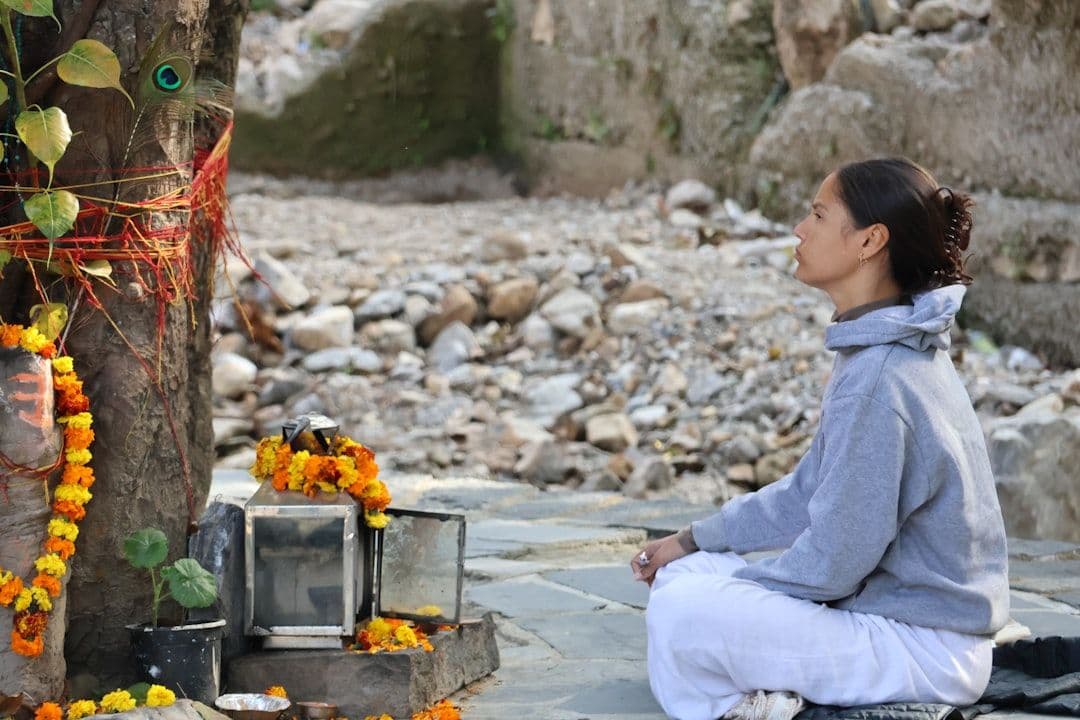
Spiritual sessions resist universal description because they reflect countless traditions and individual approaches. A meditation retreat morning might begin with silent sitting, progress through walking meditation, and include periods of teaching or discussion. A shamanic session could involve drumming, guided visualisation, or work with plant medicines. Contemporary spiritual mentoring might centre on conversation, reflection, and personalised practice development.
Many sessions include some form of centring—breathing exercises, grounding visualisations, or opening rituals that mark transition from ordinary awareness. The practitioner may guide you through specific techniques, share wisdom from their tradition, or simply hold space for your own exploration. Expect periods of silence, even in more interactive sessions.
Timings vary enormously. Brief daily practices might last 10-20 minutes, whilst intensive spiritual work can span hours or days. Most individual sessions run 60-90 minutes, allowing time for settling in, core practice, and integration discussion.
Common Experiences During and After
Spiritual experiences span an enormous spectrum. You might feel profound peace, emotional release, physical sensations like tingling or warmth, or subtle shifts in perception. Some people report feeling more connected—to themselves, others, or something greater. Others experience challenging emotions as old patterns surface for healing.
Physical responses vary widely. Meditation might bring deep relaxation or, conversely, restlessness as your nervous system adjusts. Energy-based practices sometimes produce sensations of movement, heat, or vibration. Prayer or chanting may create feelings of uplift or emotional opening. Don't judge your experience as 'right' or 'wrong'—spiritual practice works beneath conscious awareness.
After sessions, many people feel clearer, calmer, or somehow different without being able to articulate exactly how. Others feel emotionally raw or temporarily unsettled. Both responses are normal. Some notice enhanced intuition, changed priorities, or spontaneous insights in following days. Integration often unfolds slowly rather than dramatically.
Post-Session Integration
Spiritual experiences benefit from gentle integration rather than immediate return to busy life. Spend time in reflection—journaling, quiet contemplation, or discussion with trusted friends can help process what emerged. Many traditions recommend avoiding intense activities or difficult conversations immediately after profound spiritual work.
Pay attention to dreams, synchronicities, or unusual patterns in following days. Spiritual practice sometimes triggers ongoing shifts that manifest gradually. Stay hydrated, eat nourishing food, and honour any need for extra rest. Your nervous system may be processing deeper changes than immediately apparent.
Avoid making major life decisions immediately after intense spiritual experiences. The insights are valid, but integration takes time. If difficult emotions arise, don't dismiss them—spiritual growth often involves healing old wounds. Consider professional support if overwhelming feelings persist beyond a few days.
Building a Sustainable Practice
Spiritual development typically requires consistent engagement rather than occasional dramatic experiences. Most traditions emphasise daily practice, even briefly, over sporadic intensive sessions. Start with what feels manageable—perhaps 5-10 minutes of meditation, prayer, or contemplation.
Regular sessions with a teacher, group, or spiritual community provide structure and support. Monthly or weekly meetings allow for deepening exploration whilst maintaining connection to ordinary life. Some people benefit from periodic retreats or intensive programmes alongside daily practice.
Expect spiritual growth to unfold over months and years rather than days or weeks. Like physical fitness, spiritual capacity develops through gentle, consistent effort. Many practitioners report noticeable changes after 3-6 months of regular practice, though benefits often begin subtly from the first session.