What Is Sports Hypnosis?
Sports hypnosis is a specialized form of hypnotherapy designed specifically for athletes and active individuals. It combines therapeutic hypnosis techniques with sports psychology principles to enhance mental performance, manage anxiety, and support physical recovery. Unlike stage hypnosis or entertainment hypnosis, sports hypnosis is a clinical practice conducted by trained professionals to help athletes achieve their goals through guided relaxation and positive suggestion.
The practice is built on the understanding that athletic performance is heavily influenced by mental factors: confidence, focus, emotional regulation, and belief in one's abilities. Sports hypnosis works with these mental dimensions, using the hypnotic state—a natural condition of focused relaxation and heightened suggestibility—to help athletes reprogram unhelpful thought patterns, build mental resilience, and access performance states that feel natural and effortless.
It is important to note that sports hypnosis is a complementary practice, used alongside training, coaching, medical care, and other therapeutic approaches. It does not replace medical treatment, physical training, or professional mental health support when needed. Rather, it works as an integrated tool within a broader athletic development and wellness framework.
How Does It Work?
Sports hypnosis operates on several key principles. First, hypnosis is understood as a natural, focused state of consciousness similar to daydreaming or deep concentration. During this state, the conscious mind's critical filters relax slightly, allowing suggestions and mental imagery to reach deeper layers of thought where habits, beliefs, and automatic responses are formed.
The process typically involves three stages. The induction phase uses relaxation techniques—progressive muscle relaxation, breathing guidance, or visualization—to guide the athlete into a comfortable hypnotic state. Once in this state, the therapist delivers carefully crafted suggestions tailored to the athlete's specific goals. These might include confidence-building statements, mental rehearsal of successful performance, or reframing of pain or anxiety. Finally, the emergence phase gently brings the athlete back to full waking awareness.
Mental rehearsal is a core technique in sports hypnosis. Athletes visualize themselves performing successfully, executing techniques flawlessly, and handling challenges with composure. Research suggests that the brain responds similarly to vividly imagined experiences as it does to actual practice, activating the same neural pathways. When combined with relaxation, this mental practice can enhance muscle memory and build confidence.
Pain management through hypnosis works differently than medication. Rather than blocking pain signals chemically, hypnosis may help athletes change their relationship to pain—reducing its emotional intensity, shifting attention away from discomfort, and maintaining focus on movement and performance. This allows continued training and competition while managing chronic or injury-related pain.
For anxiety and focus, sports hypnosis uses suggestion to train the nervous system toward calm alertness. Athletes learn to access the 'flow state'—that optimal mental condition where performance feels effortless and automatic. With repeated practice, both in and outside sessions, this state becomes more accessible during actual competition.
What Does a Session Involve?
A typical sports hypnosis session lasts between 45 minutes and one hour. The structure is fairly consistent, though practitioners adapt their approach based on the athlete's needs and goals.
The session begins with a consultation phase where you and your practitioner discuss your athletic goals, specific challenges (such as pre-competition anxiety or chronic pain), your history with relaxation or meditation, and any concerns about hypnosis itself. This conversation is crucial—it allows the practitioner to understand your unique needs and concerns, and it builds trust and openness. Be honest about any medical conditions, medications, or previous experiences with therapy.
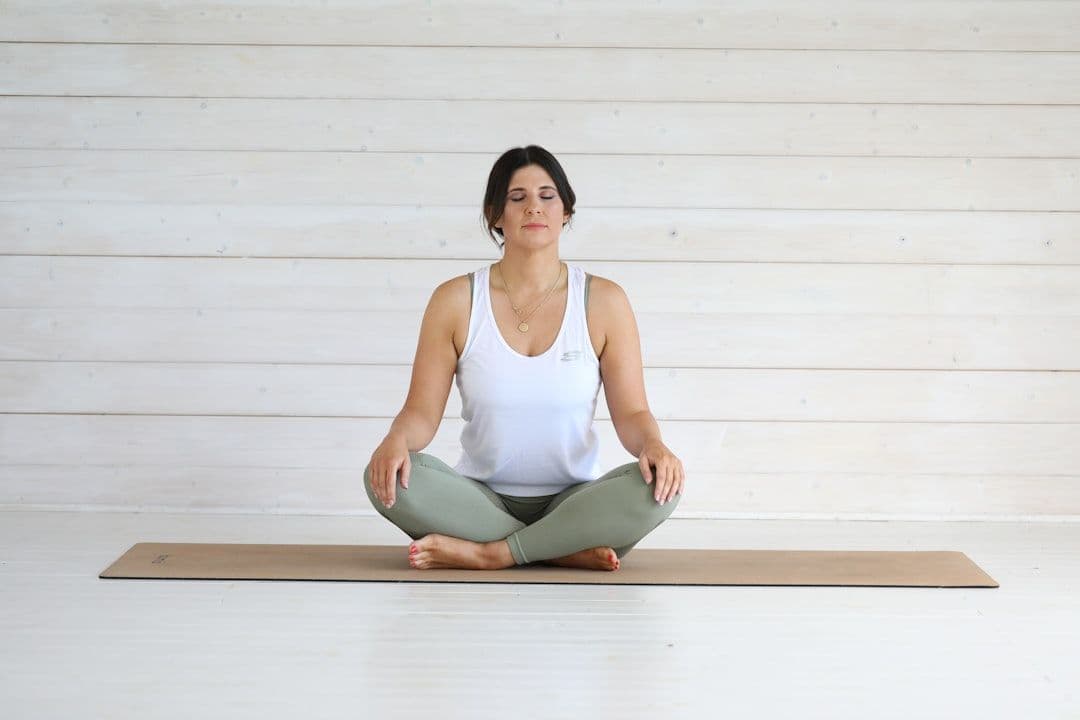
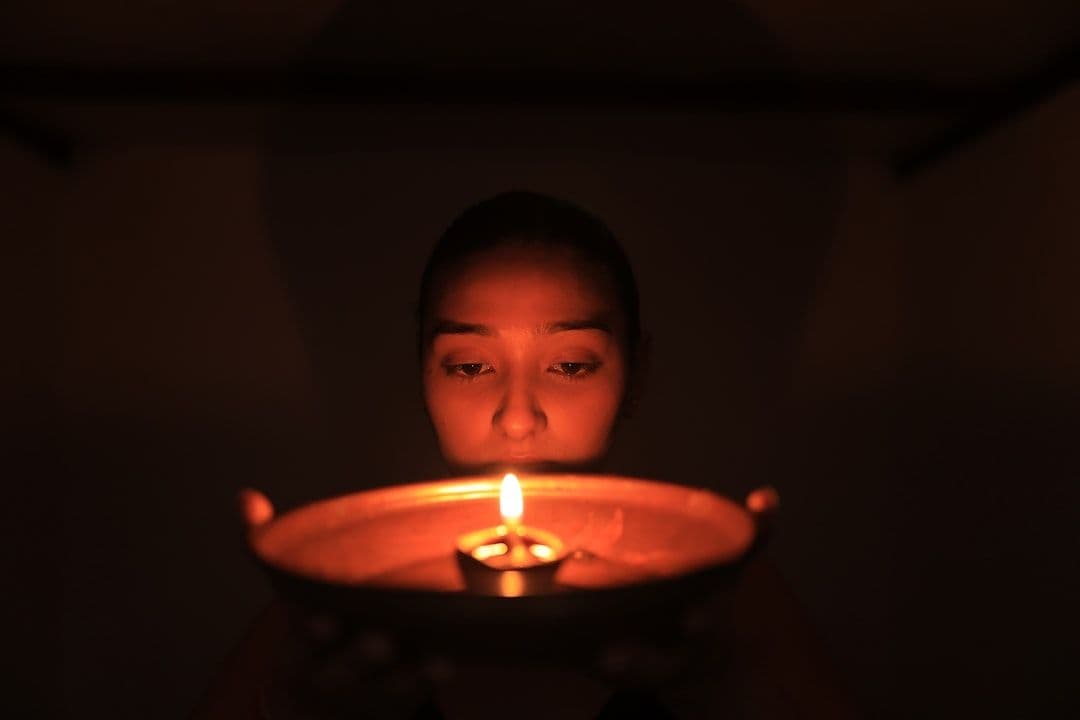
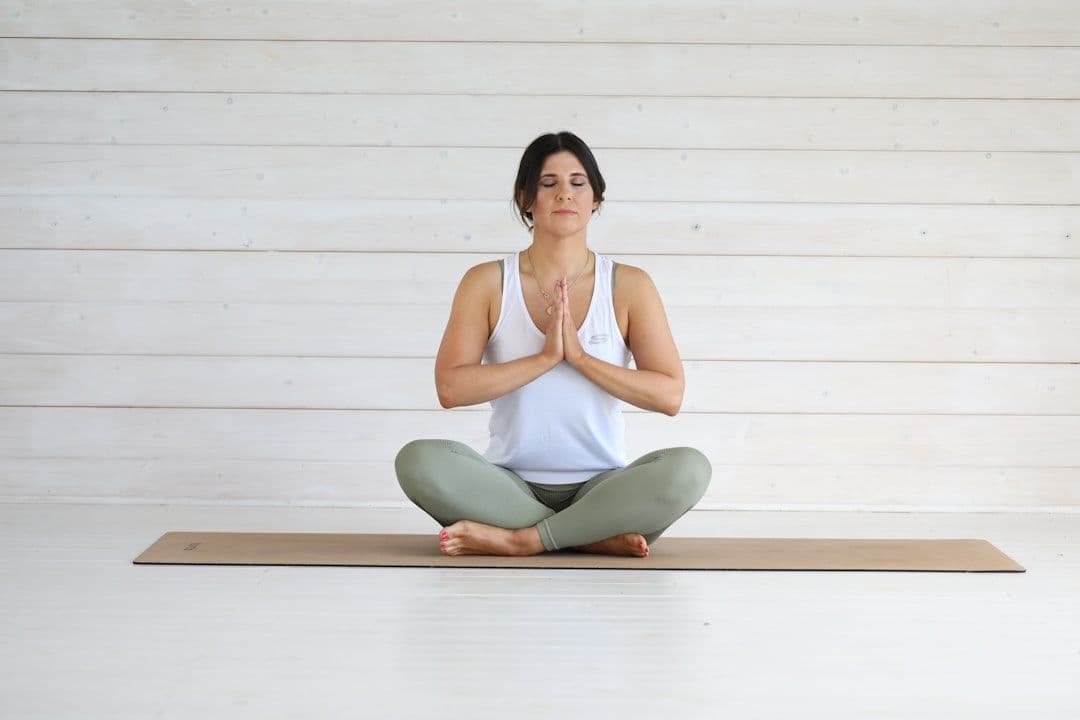
Next comes the induction. Your practitioner will guide you into a relaxed hypnotic state using a method that feels comfortable for you. This might involve listening to their voice as they guide progressive relaxation throughout your body, focusing on a point of light or object, or following a guided visualization of a peaceful place. You remain seated or lying comfortably and are fully aware throughout—you are not asleep and will remember the session.
Once you are in the hypnotic state, the therapeutic work begins. Your practitioner delivers suggestions specific to your goals. For performance anxiety, this might include mental rehearsal of calm focus before competition, or positive affirmations about your ability to handle pressure. For pain management, suggestions might focus on numbness, reduced intensity, or a change in how pain is perceived. The language is carefully chosen and positive—suggestions focus on what you will do or experience rather than on problems or what to avoid.
Throughout the session, you may be asked to engage in mental imagery. You might visualize executing a perfect serve, maintaining composure in a high-pressure moment, or recovering from an injury with strength and ease. Many practitioners encourage you to involve all senses in these mental rehearsals—seeing, feeling, hearing, even the proprioceptive sense of movement.
Toward the end of the session, the practitioner begins the emergence phase, gradually bringing you back to full waking consciousness. This is gentle and never abrupt. You are given suggestions to feel alert, refreshed, and energized, and you will naturally transition back to normal awareness.
After the session, your practitioner may give you recordings of the session or hypnotic scripts to listen to between appointments. Regular practice—ideally 10–15 minutes daily—strengthens the effects and helps embed the suggestions into automatic behavior.
Who May Benefit?
Sports hypnosis is used across all levels of athletic participation, from recreational athletes to professional competitors and Olympic performers. While not everyone requires it, several groups of athletes may find it particularly valuable.
Athletes experiencing performance anxiety or pre-competition jitters are ideal candidates. If nervousness, self-doubt, or 'choking' under pressure affects your performance, sports hypnosis can help you build mental resilience and access calm confidence during competition. This applies to team sports, individual sports, and competitive events of all kinds.
Those managing chronic pain while maintaining athletic activity may also benefit significantly. If you have a longstanding condition like arthritis, back pain, or a chronic sports injury that limits your ability to train or compete, hypnosis may support pain management techniques and help you maintain psychological resilience during recovery or modified training.
Athletes recovering from injuries often face psychological barriers to return to play. Fear, loss of confidence, or low motivation during rehabilitation can slow recovery. Sports hypnosis can help maintain a positive mindset, visualize successful return to sport, and work through psychological blocks related to injury.
Individuals struggling with attention, focus, or impulsivity in sports settings may also benefit. If you find it difficult to maintain concentration during practice or competition, or if hyperactivity or restlessness interferes with your ability to develop technique, hypnosis can help train sustained attention and access flow states where focus becomes natural.
Athletes experiencing burnout—loss of enjoyment, motivation, or purpose in their sport—may use sports hypnosis to reconnect with their reasons for competing, reassess goals, and rebuild sustainable practices. This is particularly valuable if you feel trapped by external pressure or if your relationship with your sport has become joyless.
Finally, athletes whose sleep is affected by competition anxiety, pain, or recovery demands may benefit from hypnotic relaxation and suggestion techniques to improve sleep quality, which directly supports athletic performance and recovery.
It is worth noting that sports hypnosis works best when the athlete is motivated and genuinely open to the process. While skepticism doesn't prevent hypnosis from working, genuine engagement and willingness to practice between sessions enhances results significantly.
What Does the Evidence Say?
Research on sports hypnosis shows encouraging evidence across multiple areas relevant to athletic performance and wellbeing. The overall evidence base is strongest for pain management and performance anxiety, with moderate evidence for attention, sleep, and mood resilience.
Chronic pain management represents one of the most well-studied applications of clinical hypnosis. Numerous controlled studies demonstrate that hypnotherapy and hypnotic suggestion may significantly reduce pain intensity and emotional distress associated with chronic pain conditions. For athletes, this has practical application: managing persistent pain while maintaining training and competitive capacity. The mechanism appears to involve changes in pain perception and attention allocation rather than masking pain chemically, which aligns with athletes' needs to remain aware of their bodies during performance.
Performance anxiety has also been the subject of substantial research. Studies suggest that hypnosis combined with mental rehearsal can reduce anxiety symptoms, increase confidence, and improve actual performance outcomes in competitive settings. The effect appears consistent across different sports and skill levels. Mental rehearsal—the visualization of successful performance within the hypnotic state—leverages neurological evidence showing that the brain activates similar neural pathways whether actually practicing or vividly imagining practice, making mental rehearsal a neuroscientifically sound technique.
For attention and focus, evidence is moderate but growing. Some research suggests that hypnotic training can help athletes achieve and access 'flow states'—optimal mental conditions where performance feels automatic and effortless. This has particular relevance for athletes with attention difficulties, though hypnosis should complement rather than replace medical management if a neurodevelopmental condition is involved.
Sleep quality and sports-related insomnia show moderate evidence of improvement with hypnotic relaxation and suggestion. Given that sleep is foundational to athletic recovery and performance, this is a clinically meaningful application. Relaxation-based hypnosis appears to help both with falling asleep and with maintaining sleep quality.
For mood and motivation during recovery or setbacks, evidence is moderate. Hypnosis may support positive mindset and resilience, though it should never replace professional mental health support if an athlete is experiencing clinical depression or serious mental health challenges.
It is important to contextualize this evidence. Sports hypnosis is a complementary modality—it works best as part of a comprehensive approach including proper training, coaching, nutrition, medical care where needed, and other psychological support. It is not positioned as a standalone treatment for serious medical or mental health conditions, nor is it a replacement for required medical care. The evidence supports its use as an integrated tool within a broader athletic development framework.
Safety and Considerations
Sports hypnosis is generally a safe practice when delivered by a qualified, ethical practitioner. Adverse effects are rare, and the approach carries minimal physical risk. However, several important considerations apply.
Hypnosis should not be used as a replacement for necessary medical treatment or mental health care. If you have a serious injury, acute illness, or clinical mental health condition, medical or psychological intervention should be your primary approach. Sports hypnosis can be used alongside these treatments but never instead of them. Similarly, never discontinue prescribed medications based on hypnosis recommendations. Always consult your healthcare provider before making changes to your medical regimen.
Certain individuals should exercise particular caution or seek professional guidance before beginning sports hypnosis. Those with a history of psychosis or severe dissociative disorders should consult a mental health professional before engaging in hypnotherapy, as the relaxation and suggested imagery involved might not be appropriate. Individuals with untreated or unstable mental health conditions—including depression, anxiety disorders, or post-traumatic stress—should seek evaluation from a mental health professional first. Hypnosis can be a component of integrated mental health care, but it should not be your sole approach to serious mental health concerns.
During your initial consultation with a sports hypnosis practitioner, disclose all relevant health information, medications, and mental health history. A qualified practitioner will take this information seriously and either recommend appropriate screening or integrate hypnosis carefully into your broader health plan.
Some athletes worry about losing control or being manipulated during hypnosis. It is reassuring to know that you cannot be hypnotized against your will, and you retain full ability to reject any suggestion that doesn't align with your values or goals. You will remember the session (though some people retain vaguer memories of the induction phase) and can come out of hypnosis at any time if you choose.
Occasionally, athletes experience unexpected emotional releases during or after sessions—occasionally surfacing strong emotions or memories. A skilled practitioner handles this professionally and can help process these experiences. If you find this distressing, discuss it with your practitioner for adjustment of approach.
Finally, seek practitioners who are transparent about their credentials and honest about evidence. Avoid anyone making unrealistic promises, claiming to 'cure' conditions, or suggesting you stop medical treatment without involvement of your healthcare provider. Look for practitioners with legitimate certification in clinical hypnotherapy and specific training in sports psychology or athletic performance.
How to Find a Qualified Practitioner
Finding a qualified sports hypnosis practitioner requires some diligence, as standards for hypnotherapy credentialing vary by region. Here are key steps and criteria.
Look for professional certification and credentials. In the United States, recognized certifying bodies include the National Board for Certified Clinical Hypnotherapists (NBCCH), the International Certification Board of Clinical Hypnotherapy (ICBCH), and the American Society of Clinical Hypnosis (ASCH). In the United Kingdom, look for registration with the General Hypnotherapy Register (GHR) or membership in professional bodies like the British Association for Behavioural and Cognitive Psychotherapies (BABCP) with hypnotherapy specialism. In Australia, seek practitioners registered with the Hypnotherapy Council of Australia or equivalent bodies. Different countries have different regulatory frameworks, so research what constitutes legitimate credentials in your location.
Beyond general hypnotherapy certification, seek practitioners with specific training in sports psychology, performance coaching, or athletic applications of hypnosis. This specialist knowledge matters significantly. A practitioner trained only in clinical hypnotherapy for medical conditions may not understand the unique mental demands of athletic performance. Ask about their specific training in sports hypnosis and their experience working with athletes in your sport or similar sports.
Before booking, have a consultation—many practitioners offer a brief phone or video consultation free or at low cost. Use this to assess whether you feel comfortable with the person, whether they listen to your specific goals, and whether they ask good questions about your health history. Notice whether they make unrealistic claims. A reputable practitioner will explain that hypnosis is complementary, will ask about your medical and mental health history, will not suggest stopping prescribed medications, and will be transparent about evidence and what to realistically expect.
Request references or testimonials if possible. Some practitioners have websites with client testimonials or case studies. Look for mentions of work with athletes specifically and positive outcomes. However, be wary of sensational claims or guarantees of specific results—legitimate practitioners acknowledge that results vary by individual and circumstance.
Inquire about their approach and whether they customize sessions to your goals. Good practitioners tailor their work rather than using identical scripts for all clients. They should ask detailed questions about your specific challenges, your sport, your goals, and what has or hasn't worked before.
Check whether they use recorded sessions or provide take-home hypnosis recordings. This is valuable because practice between sessions significantly enhances results. Some practitioners make custom recordings specific to your goals, which can be particularly effective.
Consider practical logistics: location, cost, session duration, and availability. Initial consultations and baseline sessions often cost between 60 and 150 pounds, euros, or dollars, with subsequent sessions similar or slightly less. Some practitioners offer package rates. Find out how many sessions they typically recommend—this varies by goal but 4–8 sessions is common as a starting point.
Trust your intuition. Hypnosis involves relaxation and mental openness, so working with someone you feel comfortable with matters significantly. If something about a practitioner's approach doesn't feel right, seek someone else.
Finally, if you are managing a serious medical condition or mental health condition, discuss sports hypnosis with your healthcare provider or therapist. They may recommend a practitioner or help you integrate hypnosis safely into your existing care plan.