Before the Session: What to Expect
The hours before meeting with a sports performance coach can feel surprisingly charged with anticipation. There's often a quiet nervousness that accompanies any new experience, especially if you're seeking help with something you've been struggling with privately—whether that's pre-competition anxiety, trouble sleeping before big events, or a nagging sense that your mind isn't quite as sharp as your body in crucial moments. You might find yourself wondering: What will they ask me? Will they judge my struggles? Can they actually help?
This uncertainty is completely normal. Most people arriving for their first sports performance session carry some version of these questions. You may have spent weeks or months thinking about reaching out, adjusting your schedule, or finally deciding that your performance deserves this kind of dedicated attention. Recognize that decision as meaningful—you've already taken an important step by prioritizing this aspect of your health and development.
Before you arrive, it can help to think about what brought you here. Are you managing anxiety in high-pressure moments? Do you struggle to stay focused during crucial plays? Are you dealing with disrupted sleep that leaves you feeling depleted before important events? Does your mind sometimes race when you need it to be calm, or does burnout creep in during long training cycles? Jotting down a few thoughts—without judgment—helps the conversation feel less formal and more genuinely collaborative when you meet your coach.
Arriving and Setting the Scene
Walking into a sports performance coaching environment, you often notice it's different from a typical gym or clinic. The space usually feels purposefully calm—whether that's natural light, minimal clutter, or simply an atmosphere designed for conversation rather than rushed activity. Your coach greets you with genuine interest, not clinical detachment. There's a warmth that signals they understand athletes as whole people, not just their performance metrics.
You settle in, and the initial conversation begins. Your coach asks about your sport, your current goals, and crucially, what's been challenging. They listen to how you describe pressure, sleep difficulties, or distraction—not to diagnose, but to understand your experience from the inside. They ask about your training cycle, competition schedule, how you recover, and what you've already tried. Some coaches may ask about stress outside sport, relationships, or other life demands, because they recognize that performance doesn't exist in isolation.
This opening phase feels less like an assessment and more like being truly heard. Your coach takes notes, asks clarifying questions, and offers gentle observations that help you see patterns you might have missed. You might notice your shoulders relaxing slightly—someone is taking this seriously, and they're treating your experience with respect. They explain how they work, what to expect over the coming weeks, and how sessions will build toward your specific needs. By the end, you have a sense of direction and a glimpse of how this partnership will unfold.
During the Session
The heart of a sports performance session varies depending on your coach's approach and your particular needs, but most sessions blend conversation, practical technique, and reflection. If you're working on performance anxiety, your coach might introduce visualization—a guided mental rehearsal where you vividly imagine performing successfully under pressure. As your coach guides you, you're not just thinking about success; you're sensing it. You feel the texture of the ground beneath your feet, hear the sounds around you, notice your breathing, experience the confident feeling of executing what you've trained for.
For those struggling with focus or attention challenges, sessions might include attention-training exercises, mental rehearsal of decision-making in game situations, or strategies to recognize and redirect distraction when it arises. Your coach teaches you to notice your own patterns—when your mind typically wanders, what triggers it, and how to gently recenter yourself. If sleep quality is the focus, you might discuss sleep hygiene, mental wind-down routines, and techniques to quiet racing thoughts before bed.
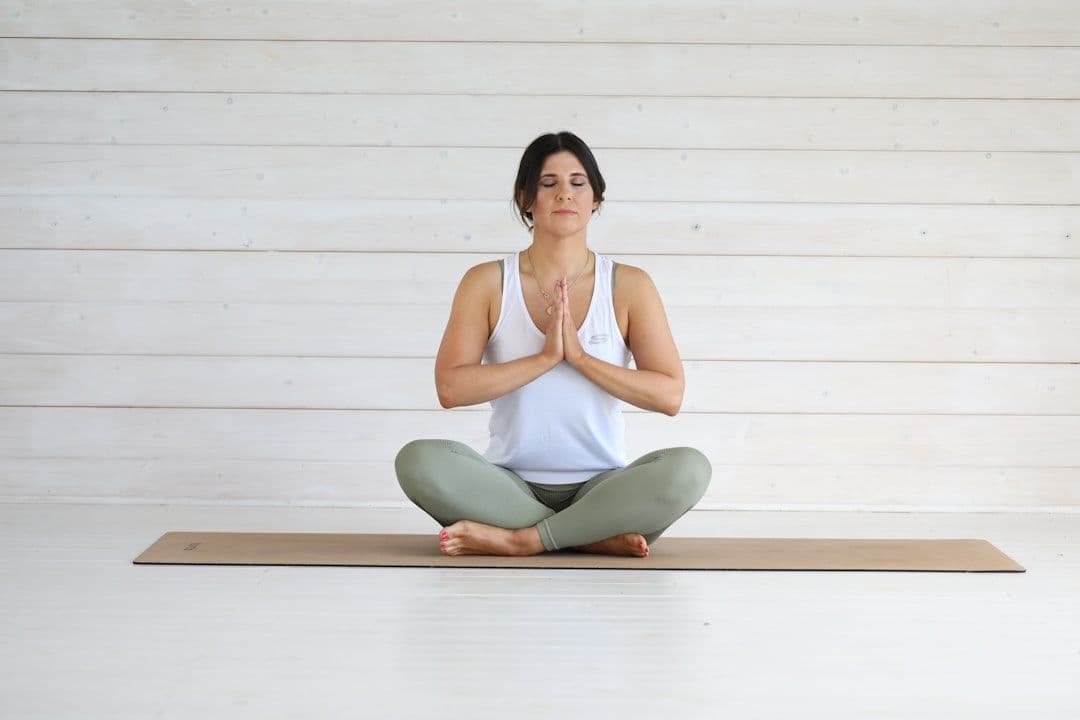
You might practice breathing exercises designed to calm your nervous system before competition or performance. You might work on self-talk—the internal dialogue that can either support or undermine you. Your coach helps you identify unhelpful patterns and build language that's honest and empowering. Throughout, your coach watches your responses, adjusts explanations, and meets you where you are. Sessions feel collaborative rather than prescriptive. You're not passively receiving advice; you're actively discovering what works for your mind and body. By the end of the session, you've usually learned specific techniques you can practice independently—mental skills are like physical skills; they strengthen with repetition.
How You May Feel Afterwards
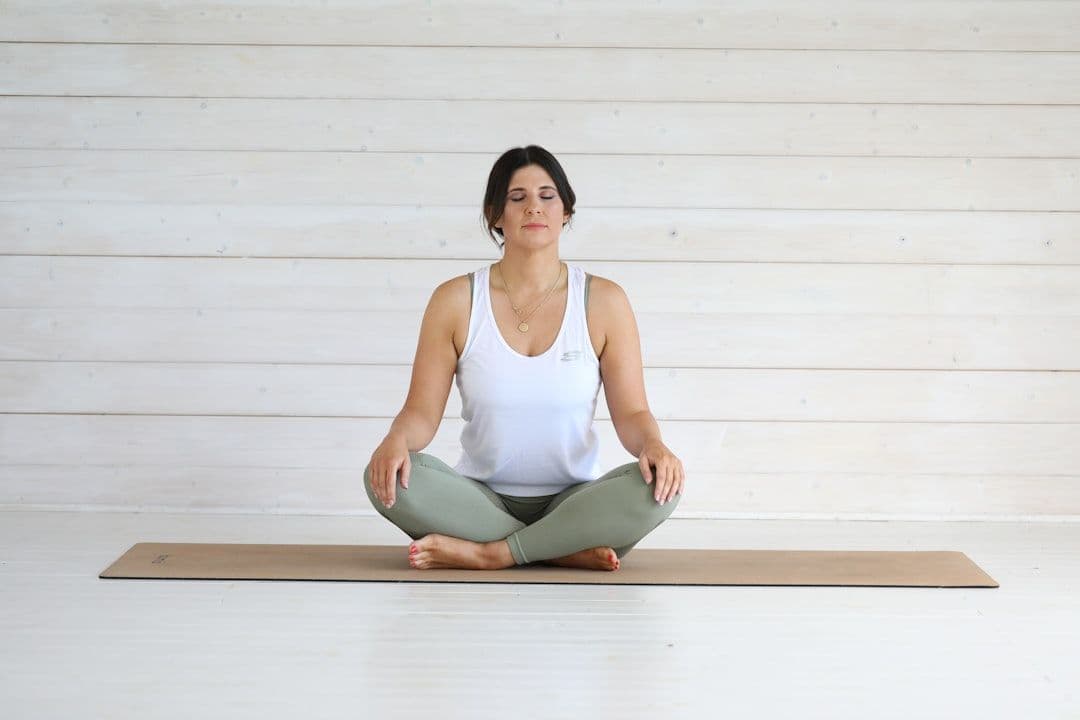
Walking out after your first session, most people report a sense of clarity mixed with gentle fatigue. If you've done visualization or focused breathing work, you might feel physically relaxed, your shoulders lower, your breath naturally slower. There's often a quiet confidence—not the illusion that problems have vanished, but the concrete knowledge that you now have tools and someone who understands your specific situation.
In the days and weeks following initial sessions, consistent practice of the techniques your coach taught you often yields noticeable shifts. Many athletes report that they fall asleep more easily on nights before competition, their minds quieter and their bodies more receptive to rest. During actual performances, some notice they can catch themselves getting distracted and redirect focus more quickly, or that anxiety arrives with less intensity because they recognize and use calming techniques they've practiced. Others find that their internal dialogue becomes more supportive, less critical, creating a mental environment that feels safer to take risks and perform at their edge.
It's important to understand that change is usually gradual rather than dramatic. You don't necessarily wake up after one session with transformed confidence or perfect sleep. Instead, you notice small shifts—you tried a visualization technique and felt slightly calmer; you used a breathing exercise and felt it actually worked; you caught yourself spiraling and used a self-talk practice your coach taught you, and it helped. These small wins accumulate. Over weeks and months of consistent practice, the changes become more substantial and more integrated into how you naturally approach performance and recovery. You develop genuine resilience and mental clarity that serves you both in sport and beyond, and you recognize that your coach provided the framework and guidance—but you did the real work of building these skills into your own mind and life.
Is It Right for You?
Sports performance coaching is worth exploring if you're an athlete experiencing performance anxiety, struggling with focus during crucial moments, managing sleep disruption around competitions, dealing with burnout despite genuine passion for your sport, or noticing that your mind sometimes doesn't perform as consistently as your body does in training.
It's particularly valuable if you've recognized that effort alone isn't solving the mental piece of your performance puzzle. You can be physically fit and technically skilled yet still struggle with nerves, distraction, or the mental fatigue that burnout brings. Coaching addresses that gap.
That said, sports performance coaching is most effective as part of a comprehensive approach to your health and athletics. If you're experiencing severe anxiety, depression, ADHD, or chronic pain, consult your healthcare provider first. Your doctor can help determine what support you need, and coaching can complement rather than replace medical care. Your coach and healthcare team can work together, each contributing their expertise to your overall wellbeing.
Consider also your readiness to practice. Mental skills, like physical skills, require consistent repetition between sessions. If you're willing to dedicate 10–20 minutes several times weekly to practicing techniques your coach teaches, you're likely to see meaningful results. If you're seeking a quick fix or expect transformation without personal practice, expectations may not align with how this work actually unfolds.
Ultimately, if you sense that your performance is limited not by physical ability but by mental factors—anxiety, focus, sleep, resilience—and you're ready to invest in developing those capacities, a sports performance coach can provide evidence-based strategies, personalized guidance, and the accountability that often accelerates growth. The experience itself is grounded, practical, and designed around your individual needs and goals.