The Art of Symbolic Interpretation
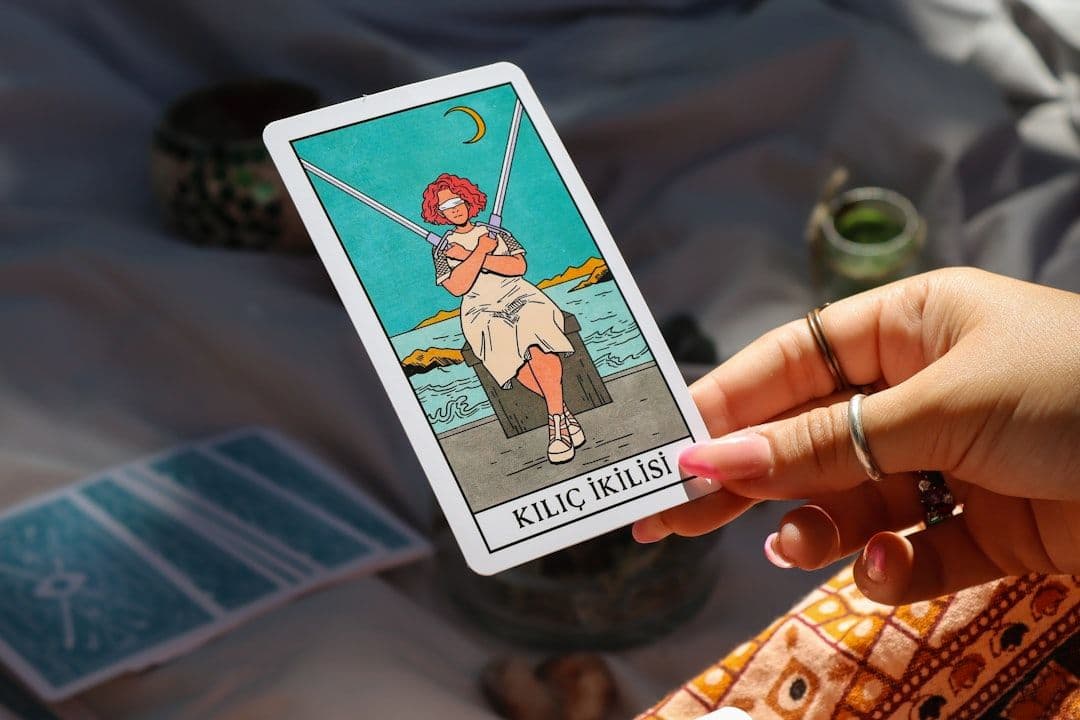
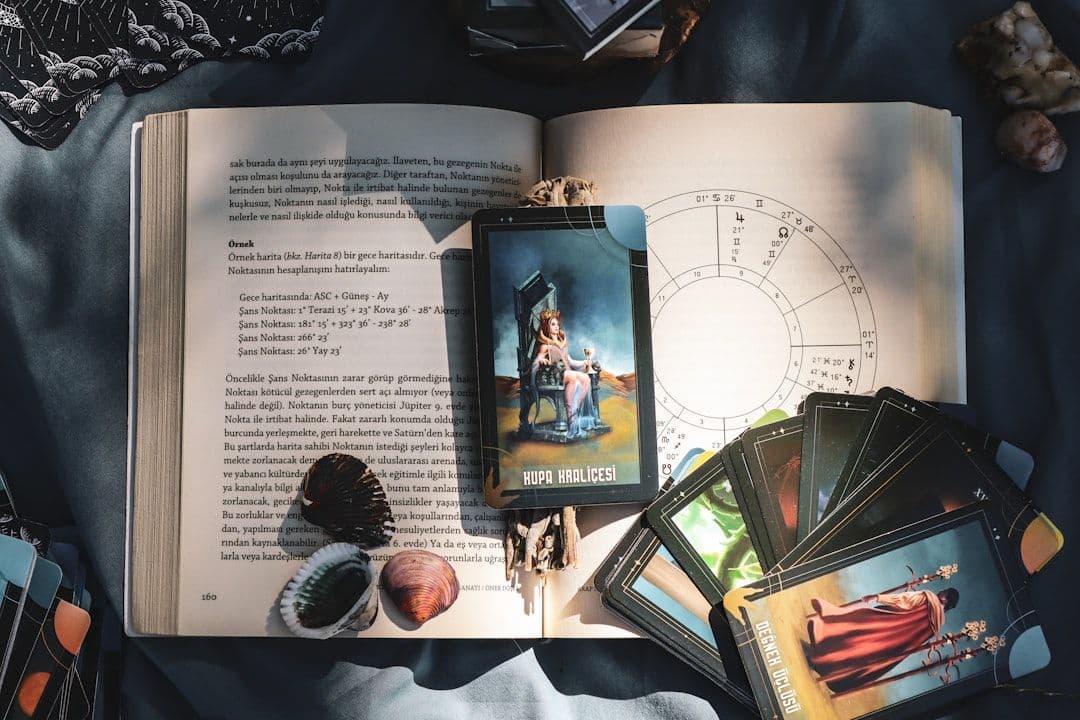
A tarot reader spreads 78 intricately illustrated cards across a table, each bearing symbols that have captivated seekers for centuries. The Fool steps toward a cliff edge, the Tower crumbles beneath lightning, the Star pours water beneath a starlit sky. These aren't merely pretty pictures—within the tarot tradition, each card represents archetypal energies, psychological patterns, and life themes that practitioners believe can illuminate hidden aspects of a situation.
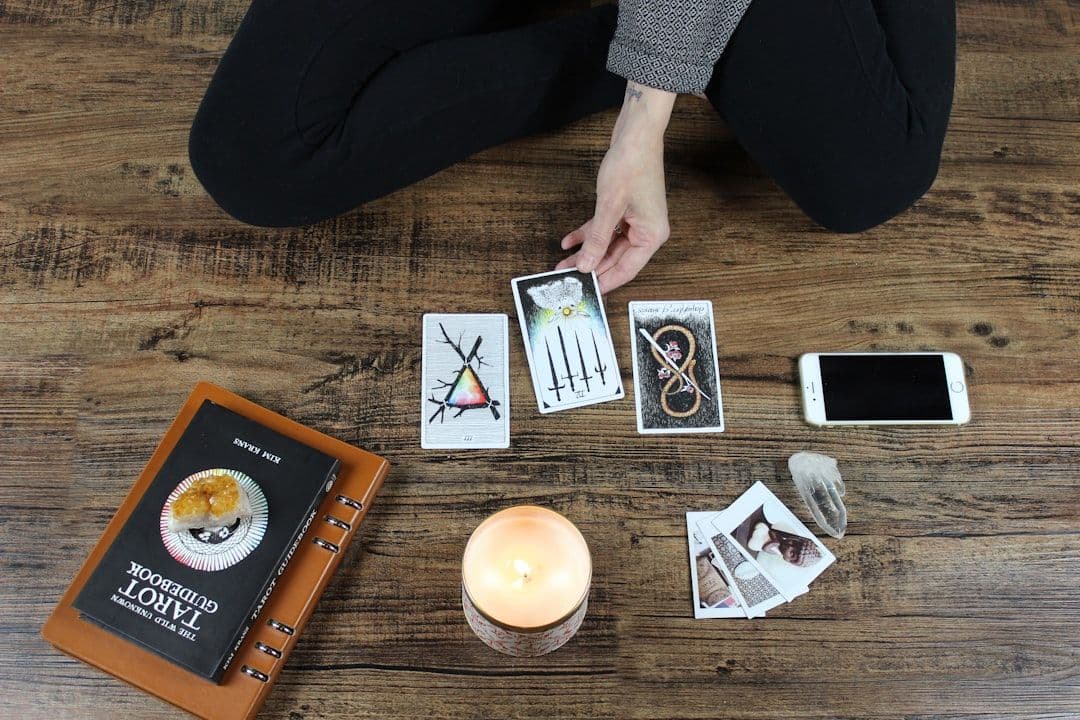
During a reading, you pose a question or describe an area where you seek clarity. The reader shuffles the deck and arranges cards in a predetermined pattern called a spread—perhaps the classic Celtic Cross with its ten positions, or a simpler three-card past-present-future layout. Each position in the spread represents a different aspect of your inquiry: obstacles, hidden influences, potential outcomes, your unconscious motivations.
The reader interprets the cards based on their individual meanings, their positions within the spread, and their relationships to neighbouring cards. The Death card rarely means literal death—more often, it suggests transformation or the end of a life phase. The interpretation emerges through the reader's understanding of symbolic language combined with their intuitive responses to your specific situation.
From Renaissance Courts to Modern Parlours
Tarot cards first appeared in 15th-century Italy as a card game called tarocchi, played in noble courts alongside other trick-taking games. The familiar 78-card structure—22 Major Arcana cards depicting archetypal figures and 56 Minor Arcana cards divided into four suits—was established by this period, though initially for entertainment rather than divination.
The transformation from game to spiritual practice occurred gradually. By the 18th century, French occultists began attributing mystical significance to the cards, linking them to ancient Egyptian wisdom and Kabbalistic teachings. The Rider-Waite deck, created in 1909 by artist Pamela Colman Smith under the direction of mystic A.E. Waite, established many of the symbolic interpretations still used today.
Modern tarot has evolved far beyond its occult origins. Contemporary practitioners often emphasise psychological insight over supernatural prediction. Jungian analysts have found value in tarot's archetypal imagery for exploring unconscious patterns. The practice has also embraced diverse cultural perspectives, with deck creators drawing from various spiritual traditions while respecting the core symbolic framework.
How Symbolic Reflection Works
Within the tarot framework, the cards serve as mirrors reflecting aspects of your psyche and situation back to you in symbolic form. Practitioners believe that the seemingly random selection of cards isn't truly random—that some form of intuitive wisdom or synchronistic principle guides which cards appear for your particular question at this specific moment.
From a psychological perspective, tarot may function as a sophisticated form of structured reflection. The rich symbolism provides multiple interpretive possibilities, encouraging you to consider your situation from new angles. When the reader suggests that the Seven of Cups indicates you're overwhelmed by too many choices, this interpretation might resonate because it articulates something you've sensed but not fully recognised.
The ambiguity inherent in symbolic interpretation allows the reading to become a collaborative meaning-making process. You bring your life experience and emotional state; the reader contributes their knowledge of card meanings and interpretive skills. The resulting conversation can generate insights that neither party might have reached independently. This process bears similarity to certain forms of therapy where interpretation and reflection facilitate new understanding.
Who Seeks the Cards
People typically consult tarot readers during periods of uncertainty or transition. Someone contemplating a career change might seek clarity about their motivations and potential obstacles. A person navigating relationship difficulties could explore patterns they keep repeating. Others turn to tarot when facing major decisions, hoping the symbolic perspective will reveal considerations they've overlooked.
Those drawn to symbolic thinking and metaphorical understanding often find tarot particularly meaningful. Artists, writers, and creative professionals sometimes use readings to unlock inspiration or understand creative blocks. People interested in psychology and personal development may appreciate tarot's archetypal language for exploring unconscious patterns.
Tarot also attracts individuals seeking spiritual exploration outside traditional religious frameworks. The cards offer a structured yet flexible system for contemplating life's bigger questions without requiring adherence to specific theological beliefs. Some use tarot for regular self-reflection, drawing daily cards as prompts for mindful consideration of their attitudes and choices.
What to Expect in a Reading
A typical tarot session lasts 30 to 60 minutes and begins with the reader explaining their approach and asking about your question or area of focus. Some readers prefer specific questions ("How can I improve communication with my partner?"), while others work with broader themes ("What do I need to know about my career right now?").
The reader shuffles the cards while you concentrate on your question, then lays them out in the chosen spread. They'll interpret each card's meaning based on its imagery, traditional associations, and position within the spread. A skilled reader weaves these individual meanings into a coherent narrative that addresses your inquiry.
Most professional readers emphasise that tarot offers guidance and perspective rather than fixed predictions. They encourage questions during the interpretation and may ask how certain insights resonate with your experience. The session typically concludes with a summary of key themes and suggestions for reflection or action based on the reading's insights.
Some readers incorporate additional elements like crystals, candles, or sage cleansing, while others focus purely on card interpretation. The atmosphere ranges from mystical to therapeutic, depending on the practitioner's style and your preferences.
Finding Your Reader
Professional tarot readers often train through established schools or mentorship programmes, though no standardised qualifications exist. Many belong to organisations like the Tarot Association of the British Isles or the Tarot Guild of Australia, which provide ethical guidelines and continuing education opportunities.
Expect to pay £30-80 for a standard reading, with experienced readers charging higher fees. Many practitioners offer phone or video sessions alongside face-to-face appointments. Some specialise in particular spreads or approaches—psychological tarot, spiritual guidance, or decision-making support.
When choosing a reader, look for someone who explains their process clearly and emphasises free will rather than fixed fate. Professional readers should never claim to predict death, illness, or catastrophic events, nor should they insist that negative cards indicate unavoidable doom. The best practitioners frame readings as tools for reflection and empowerment rather than passive fortune-telling.
Many readers offer brief consultations or written testimonials that give you a sense of their style and approach. Trust your intuition about whether a particular reader feels right for your needs and comfort level.