What it is
A 78-card symbolic deck used to explore life questions, decisions, and self-reflection.
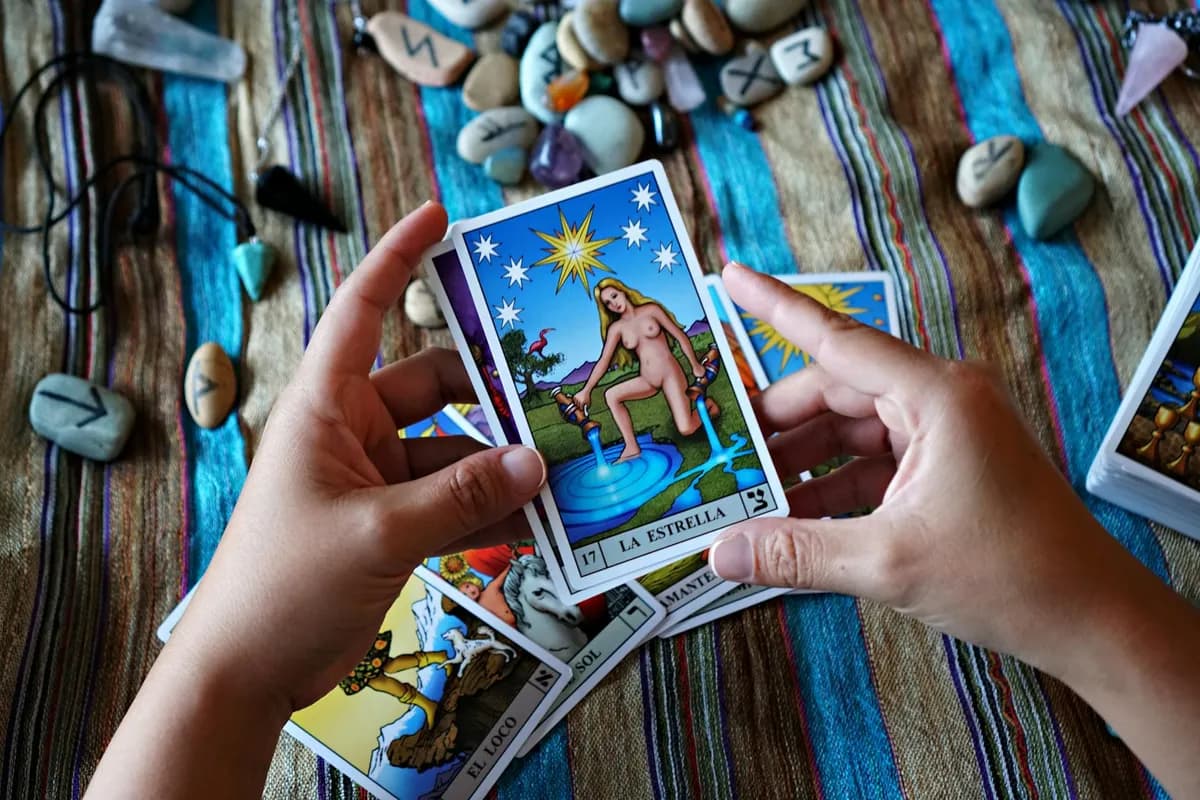
Tarot reading is a divination practice that uses a deck of 78 symbolic cards to gain insight and guidance on life situations
At a glance
What it is
A 78-card symbolic deck used to explore life questions, decisions, and self-reflection.
Why explore it
Tarot can help surface thought patterns and offer fresh perspective during uncertain times.
How it’s experienced
A reader interprets card spreads around your questions, offering open-ended symbolic insight.
Evidence context
Tarot has no empirical research base and is not a clinical tool. Its value is personal.
See the evidence snapshotSafety
Low risk for most adults, but not a substitute for medical or mental health professional care.
See staying safeHistory & Origin
Tarot Reading utilizes Tarot cards for providing guidance, insight, and divination on various aspects of life.
Tarot cards originated in 15th-century Italy as playing cards before gradually evolving into divination tools by the 18th century. The earliest known tarot decks, such as the Visconti-Sforza deck, were commissioned by wealthy families and featured elaborate artwork reflecting Renaissance aesthetics and symbolism. As tarot spread throughout Europe, particularly in France and England, occultists and mystics began attributing deeper spiritual and divinatory meanings to the cards, transforming them from entertainment into tools for spiritual inquiry.
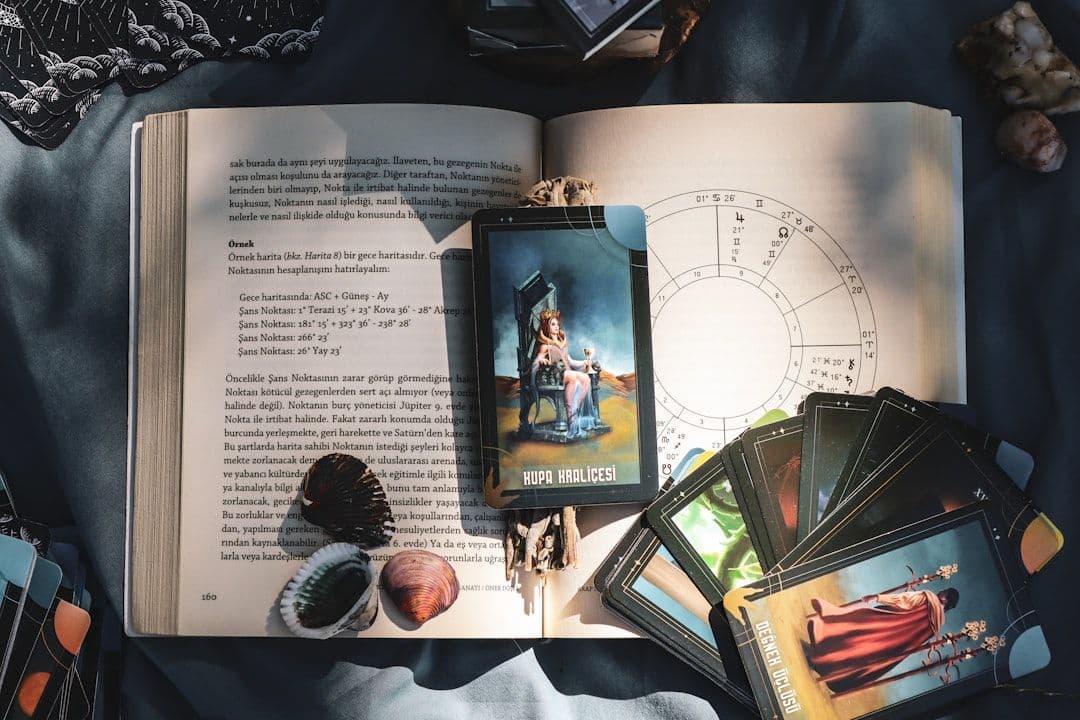
The modern tarot renaissance began in the late 18th and 19th centuries when figures like Antoine Court de Gébelin and Arthur Edward Waite developed systematic frameworks for card interpretation. The Rider-Waite deck, published in 1909 and illustrated by Pamela Colman Smith, became the most widely recognized and accessible tarot deck, standardizing interpretations and bringing tarot to mainstream audiences. This deck's artwork and accompanying guidebook made tarot reading more approachable for practitioners worldwide.
Throughout the 20th and 21st centuries, tarot has been embraced by diverse spiritual traditions, from Wicca and paganism to New Age practices and secular psychology-influenced approaches. Different cultural and spiritual communities have created specialized decks reflecting their values and beliefs. Today, tarot reading exists as both a traditional spiritual practice rooted in Western esotericism and as a contemporary tool for self-reflection and personal exploration used by millions globally.
Mechanism
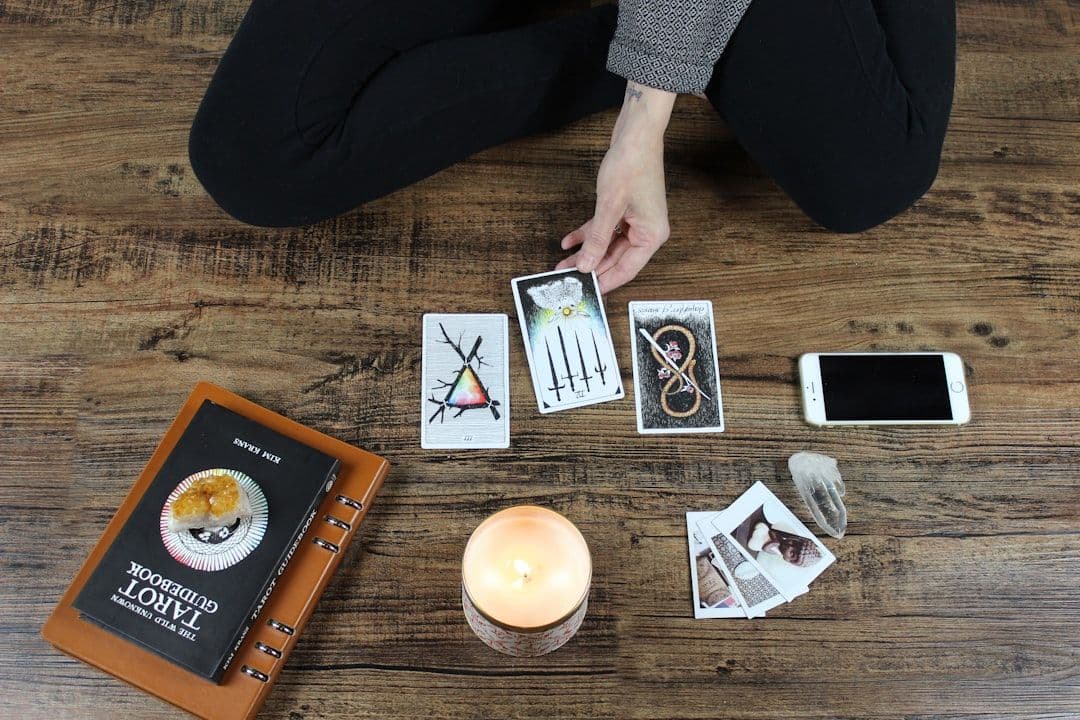
Tarot Reading is best framed as a traditional, symbolic, energetic, reflective, or spiritual practice rather than a validated medical mechanism. Practitioners may use ritual, attention, sound, imagery, touch-free work, cards, symbols, prayer, or intention to support meaning-making and a sense of connection. People may explore it for reflection, calm, or spiritual context, while health claims should remain cautious and personal. A tarot reader shuffles a deck of 78 cards and lays them in a specific pattern (called a "spread") based on your question or area of focus.
Your first visit
A typical session outline to help you feel prepared
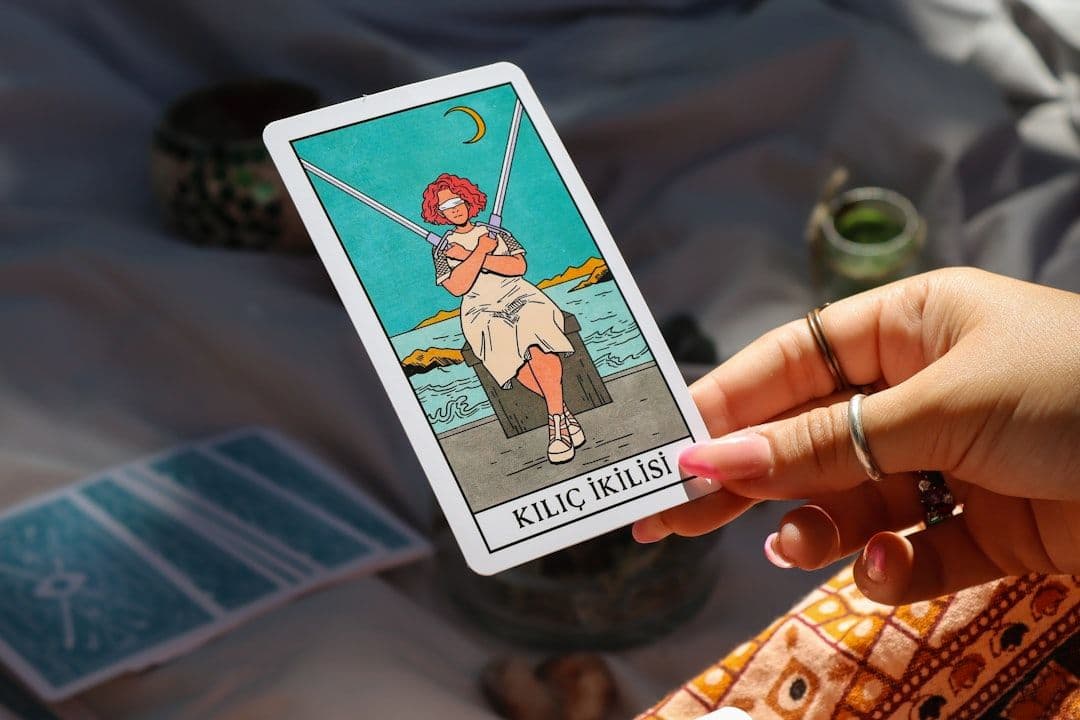
A tarot reading is a guided conversation using illustrated cards to explore your questions, feelings, and the energies surrounding your current life path.
Your reader greets you and invites you to share what's on your mind — a specific question, a life area, or simply an openness to whatever comes through.
Based on your intention, the reader selects a card spread, which is a pattern that determines how many cards are drawn and what each position represents, like past, present, or future.
You may be invited to shuffle or cut the deck yourself, infusing your energy into the cards before the reader draws them for your reading.
The reader draws cards one by one and places them face-down in the chosen spread pattern before turning them over to begin the reading.
Each card is revealed and explained — the reader walks you through the symbolism, imagery, and meaning of each card as it relates to your specific question or situation.
The reader weaves the individual cards together into a broader narrative, highlighting patterns, tensions, or themes that emerge across the full spread.
You're invited to ask follow-up questions, share what resonates, or request clarification on any card — this is a dialogue, not a one-way delivery.
The reader wraps up with a summary of key insights and may suggest journaling prompts or areas to sit with as you move forward in the days ahead.
The Evidence
What research and tradition tell us about tarot reading, and how to engage with it thoughtfully.
Tarot is a reflective practice, not a clinical one
Tarot reading sits within the metaphysical tradition and is not evaluated by clinical research standards. Its value is experiential and interpretive, rooted in centuries of symbolic and cultural use rather than empirical evidence.
Tarot reading belongs to the metaphysical domain, where meaning is constructed through symbol, intuition, and personal reflection. It does not claim to function through measurable biological or psychological mechanisms. Engaging with it on its own terms — as a reflective and meaning-making practice — is more appropriate than applying clinical expectations to it.
The process of engaging with tarot imagery and narrative can support self-reflection and help people articulate feelings about decisions or transitions. This reflective value is experiential rather than evidence-based, and is distinct from any claim about divination or prediction. The benefit, where it exists, lies in the quality of personal inquiry the process invites.
Originating as playing cards in 15th-century Italy, tarot evolved into a divinatory tool through European occult traditions. The 1909 Rider-Waite deck standardised much of modern tarot symbolism and brought the practice to wider audiences. Understanding this history helps contextualise tarot as a living cultural tradition rather than a recently invented wellness trend.
Tarot is not a tool for professional assessment of physical or mental health, and inflated outcome claims — such as certainty about the future — go beyond what the practice can reasonably offer. It is not a substitute for qualified psychological, medical, or legal guidance. Keeping these boundaries clear helps people engage with tarot in a grounded and realistic way.
People experiencing acute mental health difficulties, psychosis, or severe distress should prioritise contact with a qualified mental health professional rather than relying on tarot. Those with a history of magical thinking or certain psychiatric conditions may find highly immersive engagement with divinatory practices psychologically unsettling. If in doubt, speak with a healthcare provider before exploring this practice.
There is no universal licensing body for tarot readers. Look for practitioners who are transparent about the interpretive nature of their work, avoid making inflated outcome claims, and respect personal boundaries. A good reader will not discourage you from seeking professional support where it is needed, and will frame the session as exploratory rather than definitive.
Safety first
General guidance to help you decide whether this approach is appropriate for you. This is informational only and not a substitute for medical, psychological, or professional advice.
If you are pregnant, managing a health condition, recovering from injury or surgery, or taking medication, consult a qualified healthcare professional first.
Some situations call for extra care or a different approach. Share any conditions, injuries, or sensitivities with your practitioner before your first session.
Look for clear boundaries, transparent pricing, and practitioners who avoid fear-based claims or pressure to book frequent sessions.
Mild, short-lived effects such as tenderness, tiredness, or temporary soreness can occur. Rest, hydrate, and tell your practitioner how you respond.
For you?
A simple, human way to weigh it up. This is general guidance, not personal medical advice — a qualified practitioner can advise on your situation.
Gyfts is a discovery platform, not a medical provider. Nothing here diagnoses, treats or replaces professional care. In an emergency, contact your local emergency number.
Explore approaches
Other practices people often explore alongside tarot reading.
In their words
FAQ
Tarot is often described as divination, but contemporary practitioners and users typically approach it more as a reflective tool than literal prediction. Rather than determining a fixed future, tarot readings offer perspectives, symbolism, and guidance that help individuals explore their situations, consider possibilities, and access their intuition. The interpretation is subjective and influenced by both the reader's skill and the individual's openness to the messages.
Look for practitioners with substantive experience, clear communication about what tarot can and cannot do, and positive recommendations. Ethical practitioners will emphasize that tarot offers guidance and reflection rather than certain predictions, won't pressure you to make specific decisions based on readings, and maintain appropriate professional boundaries. Consider whether their approach—whether spiritual, psychological, or intuitive—aligns with your values and expectations.
No. Tarot reading is a complementary practice for self-reflection and spiritual guidance, not a substitute for professional mental health treatment, medical diagnosis, or psychological therapy. If you're experiencing mental health concerns, physical symptoms, or significant life difficulties, consulting with qualified healthcare providers should be your primary approach. Tarot can complement conventional care but should never replace it.
There's no universal rule. Some people seek readings occasionally for specific questions, while others engage monthly or seasonally for ongoing guidance. Practitioners often recommend spacing readings to allow time for reflection and life changes to unfold naturally. Frequent readings can sometimes indicate reliance on external guidance rather than developing personal intuition and decision-making confidence.
Tarot interpretations are complex and sometimes require reflection to understand their relevance. A skilled practitioner will explain cards and their meanings clearly and help you explore how the guidance might apply to your situation. Cards traditionally considered 'negative' often represent challenges, change, or important lessons rather than predicted misfortune. Discuss unclear aspects with your practitioner and remember that readings offer perspectives to consider, not definitive outcomes.
Tarot has roots in Western esoteric traditions but is used across diverse belief systems. While some practitioners approach it within spiritual or religious frameworks, others use tarot purely as a psychological or reflective tool without spiritual beliefs. Your personal beliefs—whether spiritual, secular, religious, or non-religious—can all coexist with tarot practice. Choose an approach and practitioner whose philosophy aligns with your values.
References
Educational sources that inform this overview. Inclusion is for context and does not imply endorsement.
Full citations are maintained by the Gyfts editorial team and reviewed periodically.
Keep exploring
Browse practitioners, explore honest overviews, and take what you learn to a conversation — at your own pace.