What Happens in Therapeutic Touch
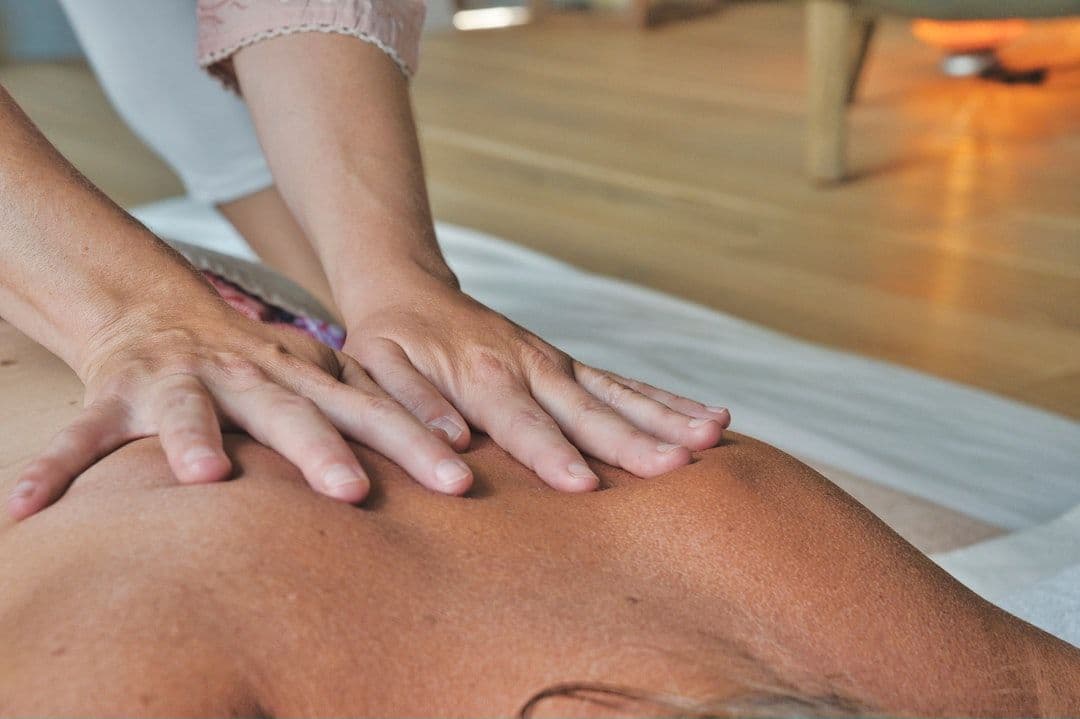
A Therapeutic Touch session begins with the practitioner entering a state of centring—a focused, meditative awareness that forms the foundation of the practice. You remain fully clothed as the practitioner moves their hands slowly above your body, typically maintaining a distance of several centimetres from your skin. Their movements are deliberate and gentle, following patterns that practitioners describe as assessing and smoothing your energy field.
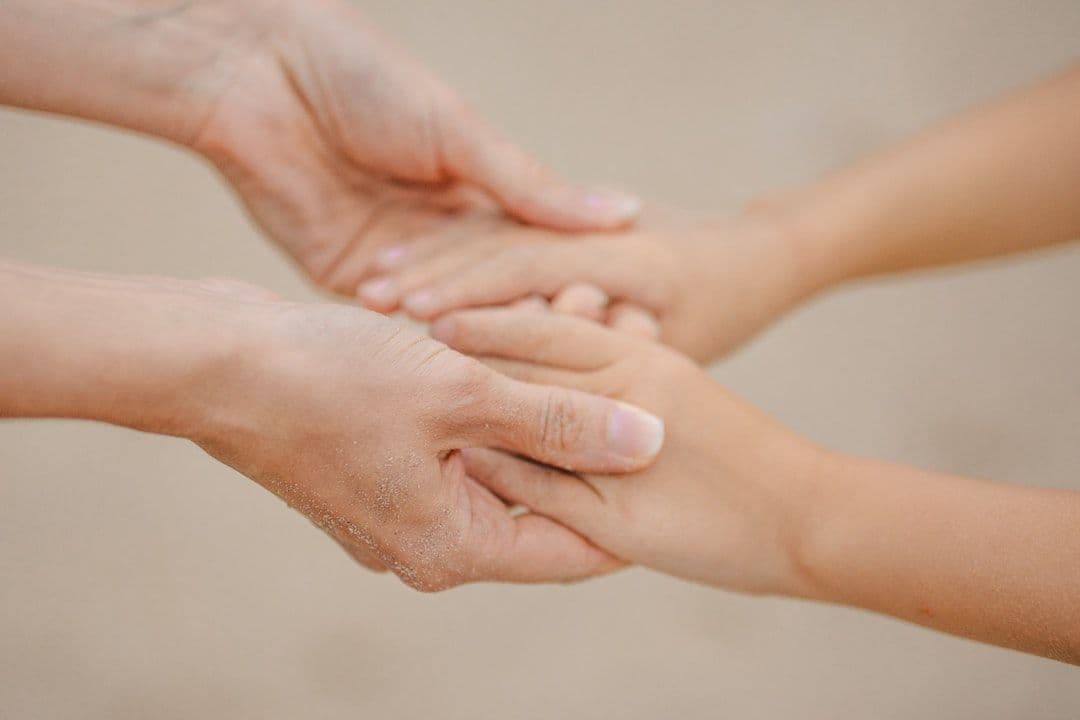
The actual touch involved is surprisingly minimal. Much of the work happens through the practitioner's hands moving in the space around you, though they may occasionally make light contact with your shoulders, arms, or other areas. Many people report feeling warmth, tingling, or a sense of calm during sessions, even when no physical contact is made. The entire session usually lasts 20 to 30 minutes, with you lying comfortably on a treatment table or sometimes seated in a chair.
From Nursing Wards to Healing Rooms
Therapeutic Touch emerged in the 1970s through the collaboration of Dolores Krieger, a nursing professor at New York University, and Dora Kunz, a spiritual healer and student of theosophy. Unlike many complementary practices that travelled from East to West, this one developed within American healthcare, specifically in nursing education and practice.
Krieger and Kunz created Therapeutic Touch as a teachable skill that nurses could learn to support patient comfort and wellbeing. The practice draws from concepts found in various healing traditions—the idea of a human energy field, the therapeutic potential of intentional presence, and the notion that skilled practitioners can influence this field through focused awareness and gentle movement.
What made Therapeutic Touch distinctive was its integration into formal healthcare education. Nursing schools began teaching it as part of holistic care approaches, and it spread through hospitals and care facilities. Today, it's practised worldwide, though it remains most established in nursing and healthcare contexts where practitioners seek gentle, non-invasive ways to support patient comfort.
The Framework of Energy and Intention
Within the Therapeutic Touch framework, practitioners understand healing as occurring through interaction with the human energy field—a subtle field of energy that surrounds and interpenetrates the physical body. This field, according to the practice, can become congested or imbalanced during illness, stress, or emotional distress.
Practitioners describe developing sensitivity to perceive variations in this field—areas that might feel dense, cool, or somehow different from the surrounding space. Through focused intention and specific hand movements, they work to clear these perceived imbalances and restore what they term "coherence" to the energy field.
The centering process serves as both preparation and therapeutic tool. Practitioners cultivate a state of compassionate, non-judgmental awareness that they believe facilitates the healing process. This intentional presence, rather than any mechanical technique, is considered the active element in Therapeutic Touch. From this perspective, the practitioner doesn't "do" the healing but rather creates conditions that support the person's natural healing capacity.
Who Seeks Therapeutic Touch
Therapeutic Touch attracts people seeking gentle support during vulnerable times. In hospitals and hospices, it's often used for patients experiencing pain, anxiety, or the discomfort of medical treatments. Cancer patients undergoing chemotherapy, elderly residents in care facilities, and people in palliative care settings frequently receive Therapeutic Touch as part of comfort care programmes.
Beyond medical settings, people often seek Therapeutic Touch for stress-related concerns—difficulty sleeping, tension from chronic worry, or the accumulated strain of caring for others. The practice appeals particularly to those who prefer subtle, non-invasive approaches or who find conventional massage too intense.
Children and infants sometimes receive Therapeutic Touch, especially in hospital settings where it's used to promote comfort and relaxation. Some people are drawn to the practice specifically for its energy-based framework, whilst others appreciate it simply as a gentle form of therapeutic presence, regardless of beliefs about energy fields.
Understanding Through Practice Rather Than Trials
Therapeutic Touch exists within a different knowledge framework from conventional medicine. Practitioners and recipients understand its value through direct experience, patient-reported outcomes, and the observational wisdom accumulated over decades of practice in healthcare settings.
Within this framework, effectiveness isn't measured solely through controlled trials but through the subtle changes practitioners observe—a patient's breathing becoming deeper, facial tension releasing, or reports of improved comfort or sleep. Nurses who practise Therapeutic Touch often describe it as one tool in their repertoire for supporting patient wellbeing, particularly valuable in situations where conventional interventions have limitations.
This experiential knowledge base reflects the practice's nursing origins, where patient comfort and the therapeutic relationship have always been valued alongside technical interventions. For practitioners, the question isn't whether Therapeutic Touch can be proven in clinical trials, but whether it serves the people who seek it and whether it fulfils its intention of providing comfort and support.
Finding Training and Practitioners
Therapeutic Touch training typically involves structured programmes that teach both the practical techniques and the theoretical framework. Introductory workshops usually cover the basic principles, centering practices, and simple assessment and clearing techniques. More comprehensive training programmes may span several months and include supervised practice with feedback from experienced practitioners.
Many practitioners come from nursing or healthcare backgrounds, though the training is open to anyone interested in learning the approach. Qualified practitioners often complete programmes through organisations like Therapeutic Touch International or similar bodies that maintain teaching standards and practitioner registers.
Sessions typically cost between £40-80, depending on location and practitioner experience. Many practitioners work within healthcare settings where Therapeutic Touch may be offered as part of patient care. Private practitioners can be found through professional registries, though it's worth asking about their training background and experience. The Complementary & Natural Healthcare Council (CNHC) maintains registers of practitioners in various disciplines, though Therapeutic Touch practitioners may also be found through nursing or holistic health networks.