Preparing for Your Session
Wear comfortable, loose-fitting clothes in natural fabrics if possible. You'll remain fully dressed throughout, so choose something that doesn't restrict movement or feel clingy. Avoid heavy meals for two hours beforehand, though light snacks are fine.
Leave jewellery at home or be prepared to remove watches, necklaces, and rings. Some practitioners believe metal can interfere with energy flow, whilst others simply find it gets in the way during treatment. Arrive a few minutes early to settle in—rushing can counteract the session's calming intent.
Switch your phone to silent mode. Unlike massage therapy, you won't need to undress or use oils, so there's no special preparation required beyond creating mental space for the experience.
The Session Unfolds
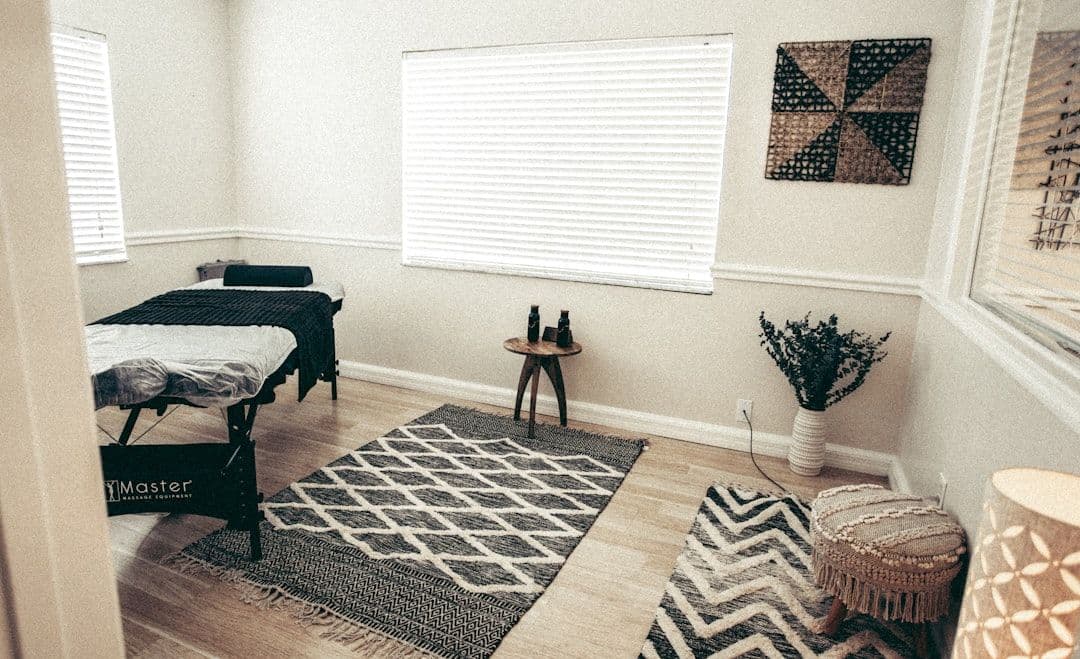
Your practitioner begins by explaining their approach and answering questions. You'll typically lie on a massage table or comfortable chair, though some practitioners work with you standing. The room is usually quiet with soft lighting—think clinical calm rather than spa ambience.
The session opens with 'centring'—your practitioner takes a few moments to focus their intention and awareness. You might notice them breathing deeply or standing quietly with eyes closed. This isn't ceremony; it's the practitioner preparing to work with focused attention.
Next comes assessment, where the practitioner moves their hands slowly above your body, usually starting at your head and working downward. Their hands hover 5-15 centimetres from your skin as they sense for what they describe as energy patterns or areas of imbalance. This phase lasts 10-15 minutes and feels surprisingly intimate despite no physical contact.
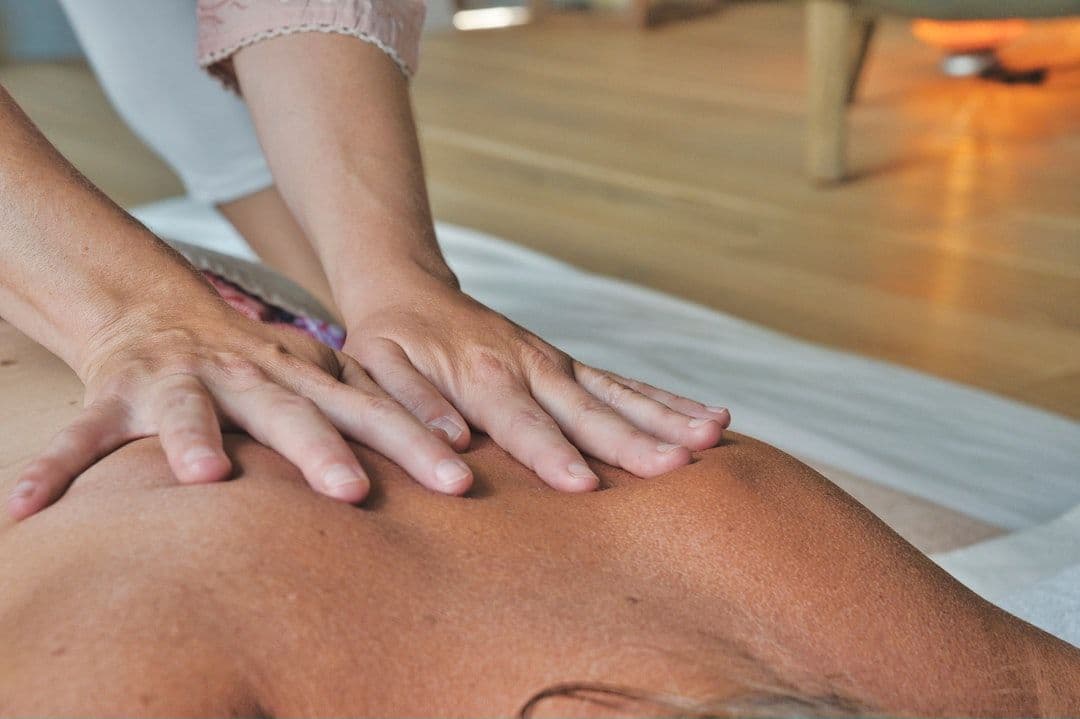
The treatment phase involves gentle hand placements directly on your body or just above it. The practitioner works systematically, often holding positions for several minutes at areas they've identified during assessment. Their touch is light and stationary—more like resting hands than massage. Sessions typically run 45-60 minutes total.
What You Might Experience
Physical sensations vary dramatically between people and sessions. Some report warmth, tingling, or gentle pulling sensations where the practitioner's hands rest. Others feel nothing physical but notice profound relaxation or mental stillness. Neither response indicates success or failure—the practice tradition suggests healing occurs regardless of conscious perception.
Emotional responses aren't uncommon. You might feel unexpectedly tearful, peaceful, or notice memories surfacing. Some people experience what practitioners call 'releases'—sudden sensations of energy moving or shifting. These tend to feel pleasant rather than disturbing.
Immediately after sessions, most people report feeling deeply relaxed, somewhat spacey, or energetically different. Some feel invigorated whilst others need quiet time to integrate the experience. These immediate effects typically last several hours.
Not everyone feels dramatic shifts. Some notice subtle changes in sleep quality, pain levels, or emotional equilibrium over subsequent days rather than obvious immediate effects.
Post-Session Care
Drink plenty of water for the remainder of the day—practitioners suggest this supports whatever healing processes the session may have initiated. Avoid alcohol for 24 hours and limit caffeine if you're sensitive to stimulants.
Plan quiet activities for the evening if possible. Many people feel contemplative or emotionally open after sessions. Gentle movement like walking suits this state better than intense exercise or demanding social situations.
Some practitioners recommend noting any dreams, physical sensations, or emotional shifts over the following days. Changes often unfold gradually rather than appearing immediately. Keep a simple journal if you're interested in tracking patterns across multiple sessions.
Contact your practitioner if you experience any concerning physical or emotional responses, though adverse reactions are rare with properly trained practitioners.
Building Your Treatment Programme
Most practitioners suggest starting with 3-4 sessions spaced weekly to establish baseline effects. Unlike some therapies, benefits often accumulate gradually, with each session building on previous work. After this initial series, you might space sessions fortnightly or monthly based on your response.
For chronic conditions, practitioners often recommend longer-term approaches spanning several months. Acute issues like recent injuries or high stress periods might resolve with shorter, more intensive series. There's no standard protocol—treatment length depends entirely on individual needs and responses.
Many people integrate occasional Therapeutic Touch sessions with other wellness practices rather than using it as standalone treatment. The gentle, non-invasive nature makes it particularly suitable for combining with conventional medical care, counselling, or other complementary approaches.
Discuss your goals openly with your practitioner. Some people seek specific symptom relief whilst others want general wellbeing support. Clear communication helps tailor both session frequency and practitioner approach to your particular situation.