What it is
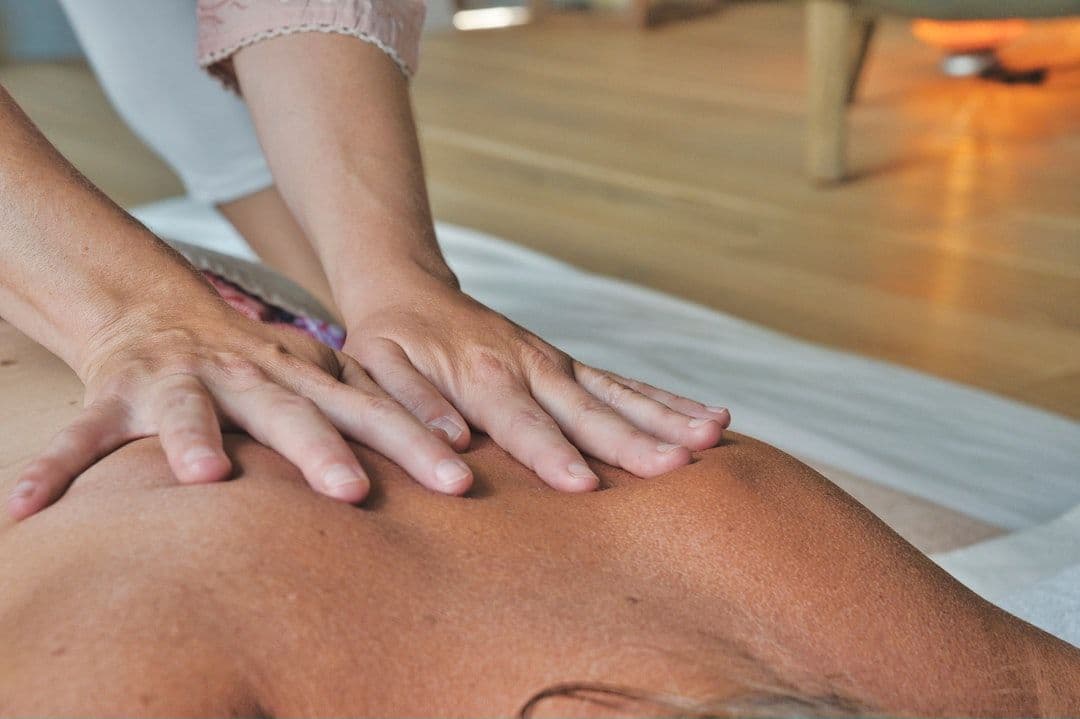
Practitioners use intentional hand movements near the body to balance your natural energy field.
Therapeutic Touch is a hands-on energy-based healing practice where practitioners use gentle touch and focused intention to support relax...

At a glance
What it is
Practitioners use intentional hand movements near the body to balance your natural energy field.
Why explore it
It may ease stress and anxiety and is often used for comfort during illness or recovery.
How it’s experienced
In a 20–30 minute session, a practitioner gently moves their hands over you, guiding calm energy flow.
Evidence context
Early research shows some promise, but findings are mixed and should be interpreted with care.
See the evidence snapshotSafety
It's non-invasive and low-risk, but always keep your doctor informed and never skip medical care.
See staying safeHistory & Origin
Therapeutic Touch is an energy-based healing approach that involves gentle touch and intention to relieve pain and promote relaxation.
Therapeutic Touch was developed in the 1970s by Dolores Krieger, a nursing professor at New York University, and Dora Kunz, a healer and natural mystic. Krieger sought to create a scientifically-grounded framework for the ancient practice of laying-on-of-hands, drawing on concepts from Eastern medicine and energy healing traditions. The practice emerged from Krieger's belief that all humans possess an innate ability to facilitate healing through conscious intention and touch, and she integrated these concepts into nursing education to make them more accessible and research-oriented. Therapeutic Touch gained significant popularity in nursing circles during the 1980s and 1990s, spreading across hospitals, wellness centers, and private practices in North America, Europe, and beyond. Today, it remains practiced by nurses, massage therapists, and dedicated complementary practitioners, though acceptance varies within conventional healthcare settings. The modality draws inspiration from traditional energy healing practices found in many cultures, including Traditional Chinese Medicine, Indian Ayurveda, and indigenous healing traditions, while attempting to present energy work in terms compatible with Western scientific inquiry.
Mechanism
Therapeutic Touch is generally described as working through skilled touch, careful pacing, and the body's response to pressure, movement, warmth, or stillness. Practitioners may focus on muscle tone, joint comfort, circulation, breath, or relaxation depending on the method. Traditional explanations may also include energy flow or whole-person balance. Research support varies by modality, so the experience is best framed as supportive care with outcomes that vary. Practitioners begin with centring—a meditative state to focus intention and awareness.
Your first visit
A typical session outline to help you feel prepared
A Therapeutic Touch session guides you through gentle energy work where your practitioner uses their hands to sense and rebalance your body's energy field, leaving most people feeling deeply calm.
Your practitioner begins with a relaxed conversation about your health history, current stress levels, and what you're hoping to experience, so they can personalize the session to your needs.
Before working with you, your practitioner takes a moment to quiet their own mind and focus their intention — a foundational practice in Therapeutic Touch that helps them tune into your energy field more clearly.
With you seated or lying fully clothed on a table, your practitioner slowly moves their hands two to four inches above your body from head to toe, sensing for areas that feel different — often describ
Using smooth, sweeping hand movements away from your body, your practitioner gently clears areas where energy feels congested or sluggish, which many people experience as a wave of lightness or release.
Your practitioner directs calm, focused energy toward areas that felt depleted or uneven during assessment, holding their hands still or moving them slowly while you may notice warmth, tingling, or a pleasant heaviness.
Partway through, your practitioner may pause to reassess your energy field and ask how you're feeling, adjusting their approach based on your feedback and what they're sensing.
Your practitioner signals the end of treatment with a final gentle sweep of the field and gives you a quiet moment to rest before slowly sitting up, as some people feel deeply relaxed or even briefly drowsy.
You'll chat briefly about what your practitioner noticed, any sensations you experienced, and how often returning may be beneficial based on your goals and how your energy responded today.
The Evidence
What research says about Therapeutic Touch, where the evidence is limited, and how it fits alongside conventional care.
Studied more than most, but evidence remains limited
Therapeutic Touch has been researched since the 1970s, with some findings suggesting relaxation and comfort benefits. However, most studies have significant methodological limitations, and its theoretical basis remains scientifically contested.
Research from the 1980s and 1990s reported benefits for pain, anxiety, and relaxation, but many studies used small samples and lacked rigorous controls. A 1998 JAMA study found practitioners could not reliably detect a human energy field under blinded conditions. Systematic reviews since then have found insufficient evidence to draw firm conclusions.
Blinding participants in touch-based research is inherently challenging, making it difficult to separate specific effects from general relaxation or attention. Most trials are small, short-term, and lack follow-up. The relaxation response from focused, gentle touch may account for reported benefits independently of any proposed energy mechanism.
Dolores Krieger and Dora Kunz developed Therapeutic Touch at New York University, aiming to create a structured, teachable framework from older healing traditions. It spread widely through nursing education in the 1980s and 1990s. Its theoretical basis draws on Eastern energy concepts, though these are not part of conventional biomedical frameworks.
Therapeutic Touch is practised by nurses, massage therapists, and complementary health practitioners in hospitals, palliative care, and wellness settings. Its acceptance within conventional healthcare varies considerably. It is best understood as a supportive practice rather than a standalone intervention for any specific health condition.
The practice involves no invasive procedures and is generally considered low risk. Those with acute injury, serious illness, or undergoing medical treatment should inform both their healthcare provider and practitioner before sessions. It is not a substitute for professional assessment, and inflated outcome claims should be viewed with caution.
Therapeutic Touch practitioners may hold nursing qualifications or have completed dedicated training programmes. Regulation varies by country and there is no universal licensing body. Ask about training background, experience, and approach before beginning. You may request minimal or no physical contact if preferred, and informed consent should always be part of the process.
Safety first
General guidance to help you decide whether this approach is appropriate for you. This is informational only and not a substitute for medical, psychological, or professional advice.
If you are pregnant, managing a health condition, recovering from injury or surgery, or taking medication, consult a qualified healthcare professional first.
Some situations call for extra care or a different approach. Share any conditions, injuries, or sensitivities with your practitioner before your first session.
Look for clear boundaries, transparent pricing, and practitioners who avoid fear-based claims or pressure to book frequent sessions.
Mild, short-lived effects such as tenderness, tiredness, or temporary soreness can occur. Rest, hydrate, and tell your practitioner how you respond.
For you?
A simple, human way to weigh it up. This is general guidance, not personal medical advice — a qualified practitioner can advise on your situation.
Gyfts is a discovery platform, not a medical provider. Nothing here diagnoses, treats or replaces professional care. In an emergency, contact your local emergency number.
Explore approaches
Other practices people often explore alongside therapeutic touch.
In their words
FAQ
Practitioners understand energy as a life force or vital energy that flows through and around the body, similar to concepts like qi in Traditional Chinese Medicine or prana in Ayurveda. While this energy is not directly measurable by conventional scientific instruments, proponents believe it influences physical and emotional well-being. The practitioner's intention and focused attention are believed to help balance and harmonize this field.
This varies. Some practitioners work with hands hovering slightly above the skin, while others make gentle contact. You can discuss your preference with your practitioner before the session begins. Many people report feeling warmth, tingling, or a sense of flow, though some feel very subtle sensations or simply deep relaxation.
This depends on your individual needs, the condition you are addressing, and how your body responds. Some people experience benefits after one or two sessions, while others benefit from ongoing regular treatment. Your practitioner will typically suggest an initial course (e.g., 4–8 sessions) and reassess based on your progress.
Therapeutic Touch itself is not tied to any specific religion or spiritual belief system, though it does involve concepts of energy and intention. It can be adapted to align with various personal or spiritual beliefs, or practiced in a purely secular context. Discuss any concerns about spiritual elements with your practitioner.
Many practitioners and clients report that Therapeutic Touch supports pain relief and relaxation, which can indirectly ease pain perception. However, research on pain relief is mixed and limited. It should be used alongside, not instead of, conventional pain management and medical evaluation of the cause of pain.
Therapeutic Touch is generally considered safe for most people when practiced by a trained, qualified practitioner. However, those with serious acute conditions, recent surgery, or fragile health should consult their healthcare provider first. Pregnant individuals and those on medications should inform both their doctor and practitioner.
Some practitioners describe a temporary intensification of symptoms or emotional release after treatment as a sign the body is rebalancing. This might include fatigue, mild headache, or emotional sensitivity. Not everyone experiences this, and it typically resolves within hours to days. If symptoms persist or worsen, contact your healthcare provider.
References
Educational sources that inform this overview. Inclusion is for context and does not imply endorsement.
Full citations are maintained by the Gyfts editorial team and reviewed periodically.
Keep exploring
Browse practitioners, explore honest overviews, and take what you learn to a conversation — at your own pace.