The Practice That Teaches You Not to Practise
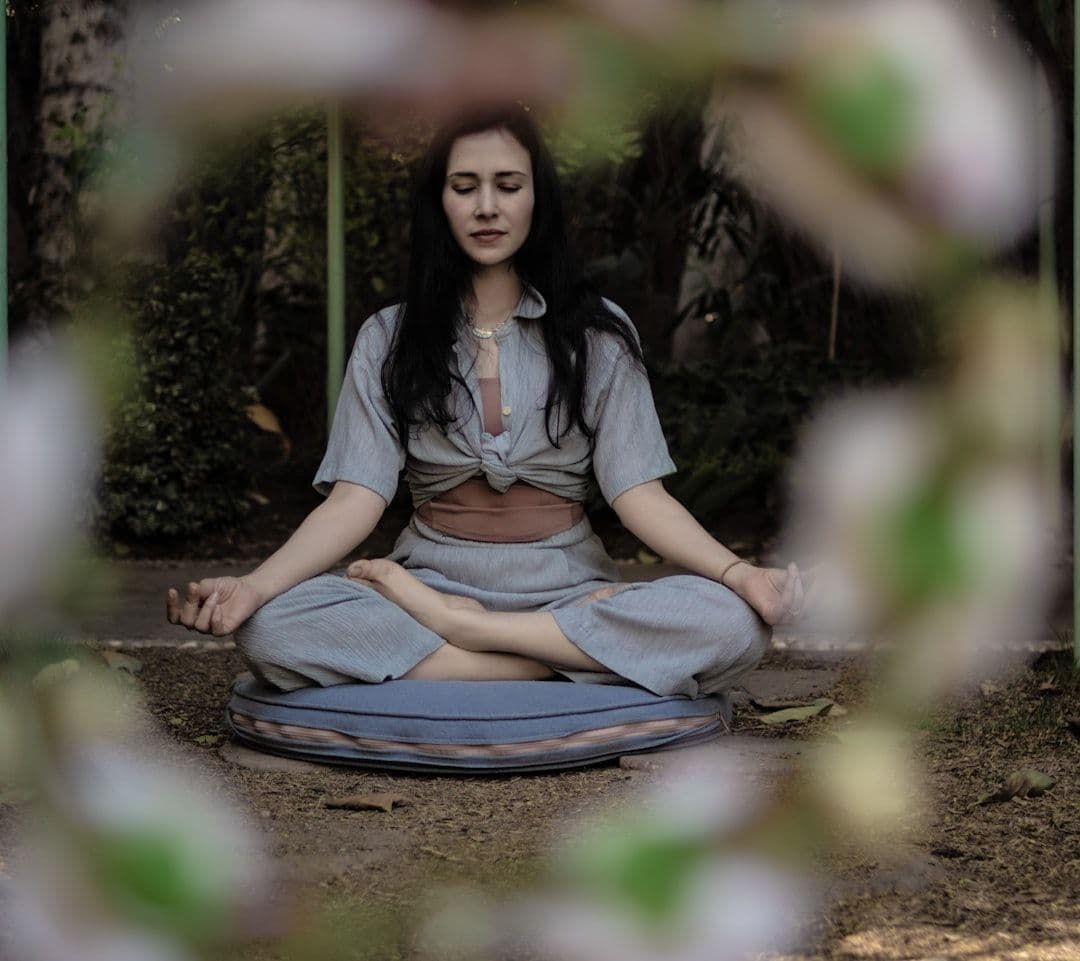
You sit comfortably, close your eyes, and silently repeat a sound that has no meaning to you. That's it. No breathing techniques, no visualisation, no wrestling with wandering thoughts. Within minutes, many people slip into a state that feels simultaneously deeply restful and quietly alert — what TM practitioners call "transcendence".
This effortlessness distinguishes Transcendental Meditation from virtually every other meditation technique. Where mindfulness asks you to observe thoughts, and concentration practices demand focus, TM operates on the principle that the mind naturally wants to settle. The personalised mantra — a Sanskrit sound chosen specifically for you — simply provides a vehicle for this natural process.
The technique emerged from ancient Vedic traditions but gained global recognition through Maharishi Mahesh Yogi's systematic teaching approach in the 1950s and 60s. Today, over six million people practise TM worldwide, from stressed executives to schoolchildren in inner-city programmes.
From Vedic Tradition to Modern Stress Management
TM traces its lineage through the Vedic tradition of India, specifically through a line of teachers called Shankaracharyas. Maharishi Mahesh Yogi studied under Guru Dev (Brahmananda Saraswati) before developing the standardised teaching method that characterises modern TM.
What sets TM apart historically is this systematisation. Where traditional meditation teaching was highly individualised and often esoteric, Maharishi created a precise seven-step course that could be taught consistently worldwide. He also insisted on scientific research — unusual for spiritual practices in the 1960s.
The technique spread rapidly through celebrity endorsements (The Beatles famously studied with Maharishi in 1968) but has since found acceptance in more conventional settings. The David Lynch Foundation funds TM programmes in schools, prisons, and veteran centres. Even the NHS has explored TM for stress management in healthcare workers.
The Mechanics of Effortless Awareness
In TM's framework, the mind possesses an innate tendency to seek greater satisfaction and less activity. The mantra serves as a subtle thought that, when used correctly, allows consciousness to settle into progressively quieter states. Practitioners describe this as "diving within" — a natural inward movement requiring no effort or concentration.
Neuroscientist research offers complementary insights. EEG studies show TM practice increases alpha wave coherence across different brain regions, suggesting improved neural integration. Functional MRI scans reveal decreased activity in the amygdala (fear centre) and increased prefrontal cortex function during and after meditation.
Physiologically, TM appears to activate the parasympathetic nervous system more consistently than other relaxation techniques. This triggers the "rest and digest" response: slower heart rate, reduced cortisol production, and decreased oxygen consumption. Some studies suggest these changes persist beyond meditation sessions, creating cumulative stress resilience.
Who Finds Relief in Effortlessness
TM often appeals to people who've struggled with other meditation forms. If you're someone whose mind races constantly, the instruction to "just observe thoughts" in mindfulness can feel impossible. TM's approach — giving the mind something subtle to settle on — can feel more accessible.
The technique shows particular promise for anxiety management. Unlike exposure-based approaches that might initially increase anxiety symptoms, TM's gentle nature rarely triggers stress responses. Many practitioners report feeling calmer within days, though deeper changes typically unfold over months.
People with demanding careers frequently gravitate towards TM because it requires no lifestyle changes beyond two 20-minute sessions daily. You don't need special postures, breathing patterns, or quiet environments. Practitioners meditate on planes, in office chairs, even (carefully) on public transport.
What Happens in Practice
Learning TM requires four consecutive sessions with a certified instructor over several days. The first session involves a brief ceremony (some find this meaningful, others skip it) where you receive your personal mantra. Your instructor teaches you the correct mental procedure — how to use the mantra without concentrating on it.
Subsequent sessions focus on refining technique and understanding common experiences. You might feel deeply relaxed, encounter unusual sensations, or find thoughts becoming very quiet. Some people fall asleep initially; others feel restless. Your instructor helps distinguish between correct practice and common misconceptions.
After initial training, you practise independently twice daily for 20 minutes each session. Most people find morning and late afternoon ideal, though timing flexibility exists. The organisation provides lifetime support through local centres, though many practitioners rarely need refresher sessions once technique is established.
The Evidence Landscape
TM possesses one of the strongest research portfolios in meditation science. Over 350 peer-reviewed studies have examined its effects, with particularly robust evidence for cardiovascular benefits. Multiple randomised controlled trials show significant blood pressure reductions — enough that the American Heart Association specifically acknowledges TM in its hypertension guidelines.
Mental health research is equally compelling. A 2014 meta-analysis found TM more effective than other meditation techniques for reducing anxiety and depression symptoms. Studies in military veterans show promise for PTSD management, though sample sizes remain relatively small.
However, this research requires critical evaluation. Many studies originate from Maharishi University or researchers with TM connections, potentially creating bias. Independent replication exists but remains limited. Additionally, the technique's standardised nature makes it easier to study than more variable meditation forms, possibly inflating apparent effectiveness compared to other practices.
Finding Instruction and Managing Costs
TM can only be learned through certified instructors trained by the Maharishi Organisation. This exclusivity ensures teaching quality but limits accessibility. Courses cost £350-400 for adults in the UK, with reductions for students, pensioners, and low-income individuals. Payment plans and scholarships exist through some local centres.
Find certified instructors through the official TM website (tm.org.uk). Avoid anyone claiming to teach "TM" without proper certification — the technique's effectiveness depends on precise instruction. Instructors undergo extensive training and regular recertification, ensuring consistent teaching standards globally.
After initial training, ongoing costs are minimal. Local centres offer free group meditations and refresher sessions. Some practitioners find these community connections valuable for maintaining practice motivation, particularly during challenging periods when meditation feels less appealing or effective.