Preparing for Your Session
Arrive with an empty stomach—eat your last meal 2-3 hours beforehand. A light snack 30 minutes before is acceptable if you're genuinely hungry, but avoid anything heavy or rich.
Wear fitted, breathable clothing that won't restrict movement or ride up during inverted poses. Think leggings or shorts with a supportive top. Avoid loose cotton t-shirts that will shift around. Most studios provide yoga mats, but bringing your own ensures hygiene and familiarity. A water bottle and small towel are useful, particularly if you tend to perspire easily.
Switch off your phone and arrive 10-15 minutes early to settle in. Use this time to inform the instructor about any injuries or physical limitations. They can suggest modifications and position you where they can offer guidance during the session.
The Flow of a Vinyasa Session
Sessions typically begin with 5-10 minutes of gentle movement and breathing exercises to centre your attention and warm your body. You might start in child's pose or seated cross-legged, focusing on deepening your breath.
The main practice builds gradually through sun salutations—flowing sequences that link poses like downward dog, plank, and cobra with specific breathing patterns. Each movement corresponds to either an inhalation or exhalation, creating a rhythm that becomes almost meditative. The instructor will call out poses while demonstrating, often walking around to offer hands-on adjustments (you can always decline these).
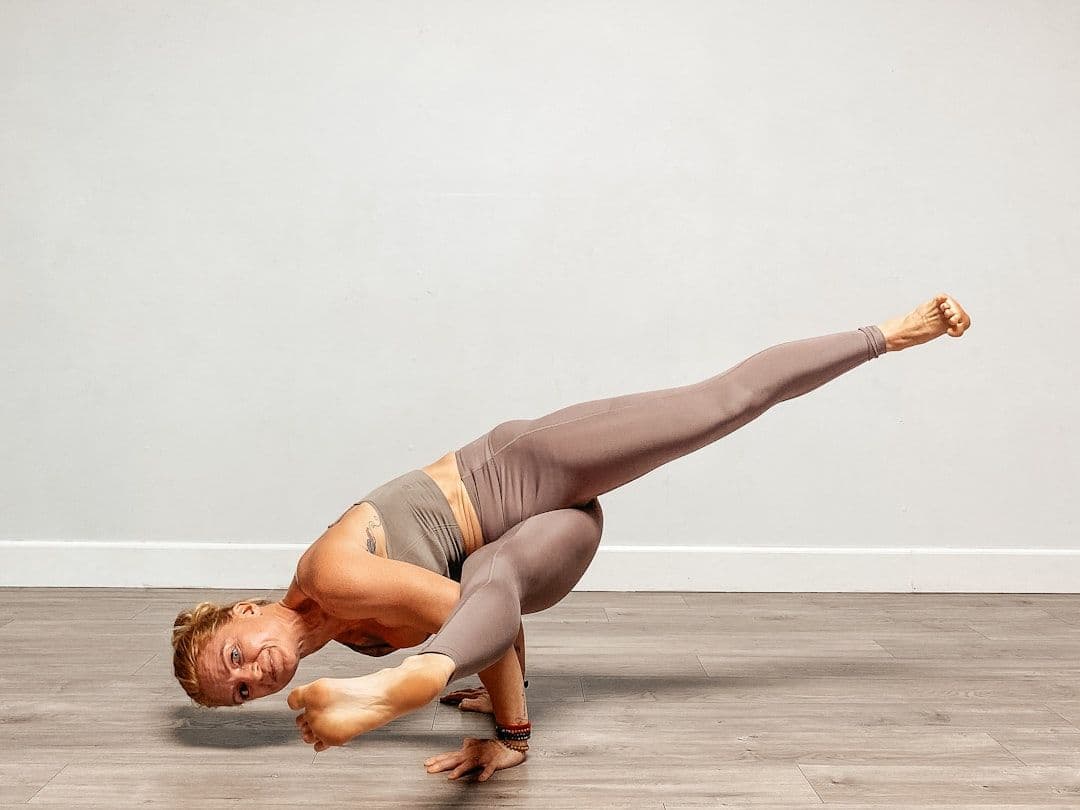
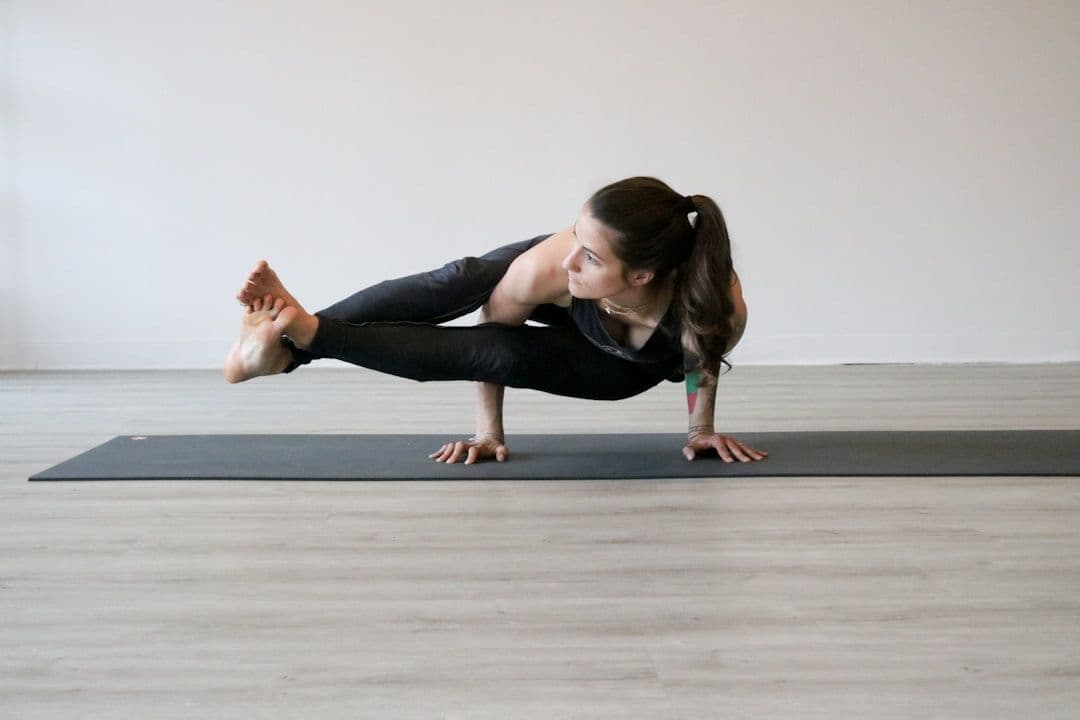
Mid-session typically includes standing balance poses, seated forward folds, and backbends. The pace varies—some sequences flow quickly, building internal heat, whilst others hold poses for several breaths to deepen stretches. Advanced students might take arm balances or deeper variations, but beginners can always choose simpler options.
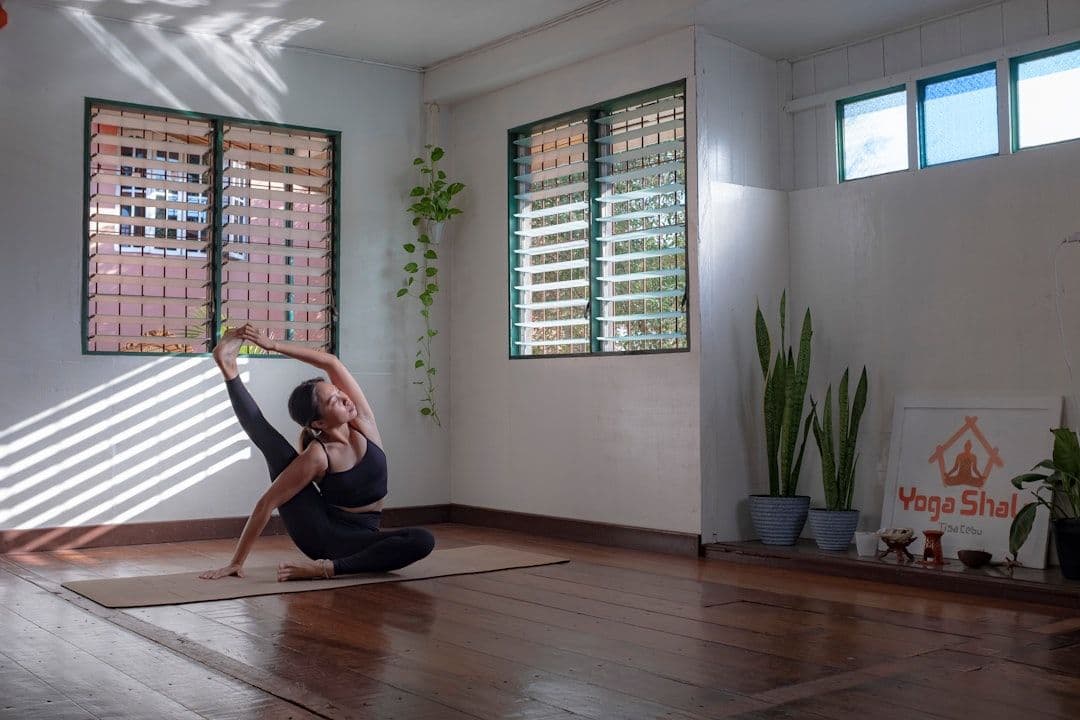
The final 10-15 minutes shift dramatically. You'll move through gentle twists and hip openers before settling into savasana—lying flat on your back in complete stillness. This isn't simply rest time; it's when your nervous system integrates the practice's effects.
What You'll Experience During and After
Expect to work harder than you might anticipate. Vinyasa builds internal heat through continuous movement, so you'll likely sweat, even in a cool room. Your heart rate will elevate during flowing sequences, then settle during holding poses. This creates an interval-training effect that many people find energising.
Physically, you might feel muscles trembling in challenging poses—this is normal and shows you're working at an appropriate edge. Your breathing may become laboured during vigorous sequences, but it should feel controlled rather than gasping. The breath-movement connection often feels awkward initially but becomes more natural with practice.
Emotionally, reactions vary considerably. Some people feel immediately calm and centred, whilst others experience unexpected emotions surfacing during deeper poses. Hip openers, in particular, can trigger emotional releases. This is completely normal in yoga practice.
Post-session, most people report feeling both energised and relaxed—alert but not wired. You might notice improved posture and a sense of mental clarity. Some mild muscle soreness the next day is typical, especially after your first few sessions, but sharp pain is not.
Post-Session Care and What to Expect
Drink water gradually rather than gulping large amounts immediately after class. Your body temperature will remain elevated for 30-60 minutes, so avoid cold drinks or rushing into air conditioning.
Plan a lighter evening meal if you've attended an evening class—your digestive system may still be processing the practice's effects. Many people sleep particularly well after vinyasa sessions.
Avoid hot baths or saunas for 2-3 hours post-session, as your body is already processing internal heat. Gentle stretching or a short walk can help prevent stiffness, but avoid intense exercise for the remainder of the day.
Some people experience mild emotional shifts in the 24-48 hours following practice—feeling more sensitive or introspective is common. This typically settles as your system adjusts to regular practice.
Building a Practice: Frequency and Progression
Most instructors recommend starting with 1-2 sessions per week for the first month, allowing your body time to adapt between classes. Jumping into daily practice often leads to overuse injuries or burnout.
After 4-6 weeks of consistent practice, you'll likely notice increased strength, improved flexibility, and better stress management. This is when many people increase to 2-3 sessions weekly. Regular practitioners often find their sleep quality improves and their ability to manage daily stress increases significantly.
Every vinyasa teacher has a different style—some emphasise alignment precision, others focus on creative sequencing or spiritual elements. Try several instructors to find approaches that resonate with you. What feels challenging but sustainable is your ideal practice level.
Most people see substantial physical changes within 2-3 months of regular practice, but the mental benefits often manifest much sooner. The key is consistency rather than intensity—a sustainable twice-weekly practice yields better results than sporadic intensive sessions.