What it is
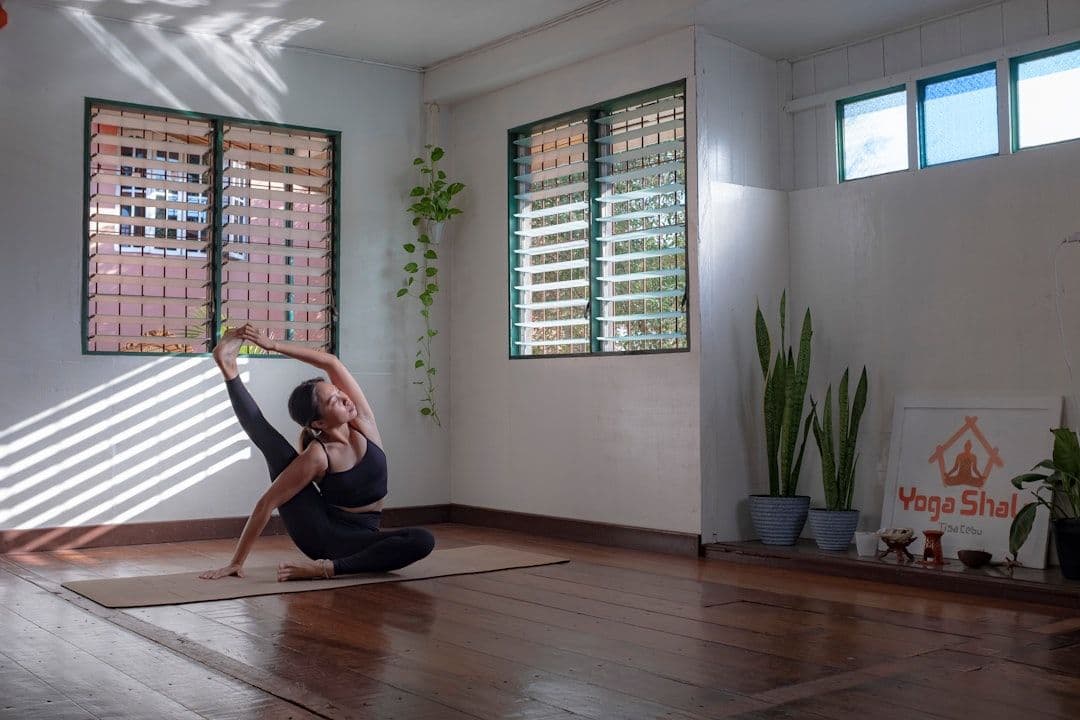
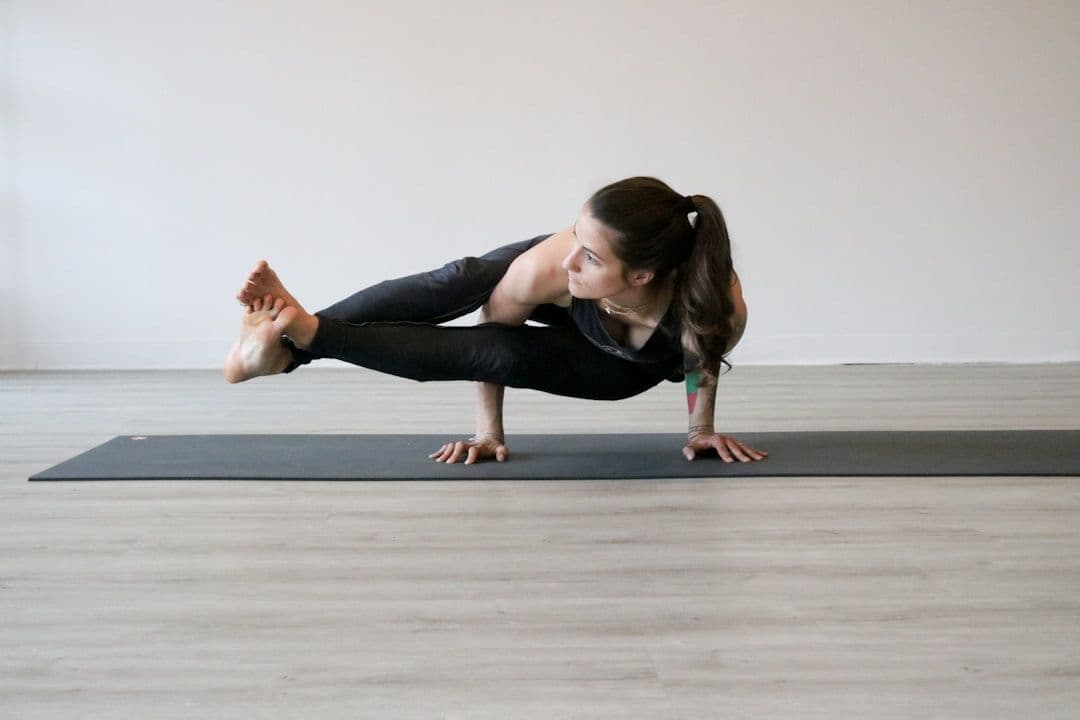
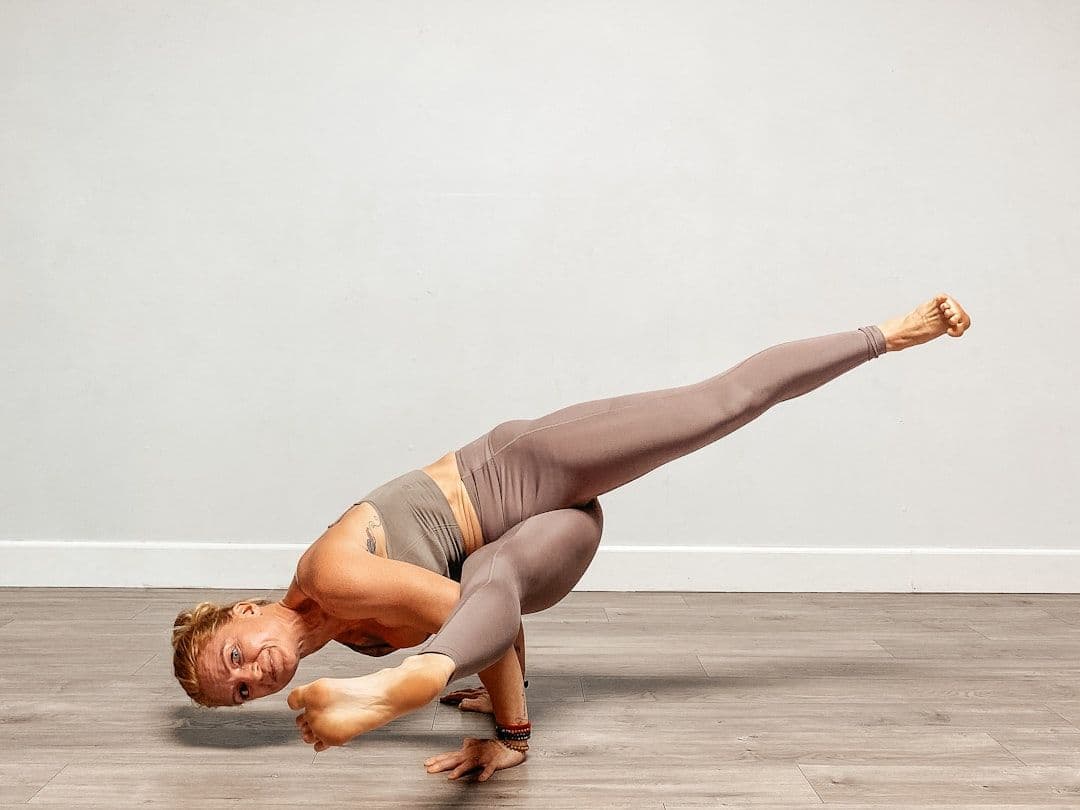
Vinyasa yoga links breath to flowing movements, supporting flexibility and stress relief.
Vinyasa is a dynamic yoga practice that links breath with continuous flowing movement through sequences of poses, building strength, flex...
At a glance
What it is
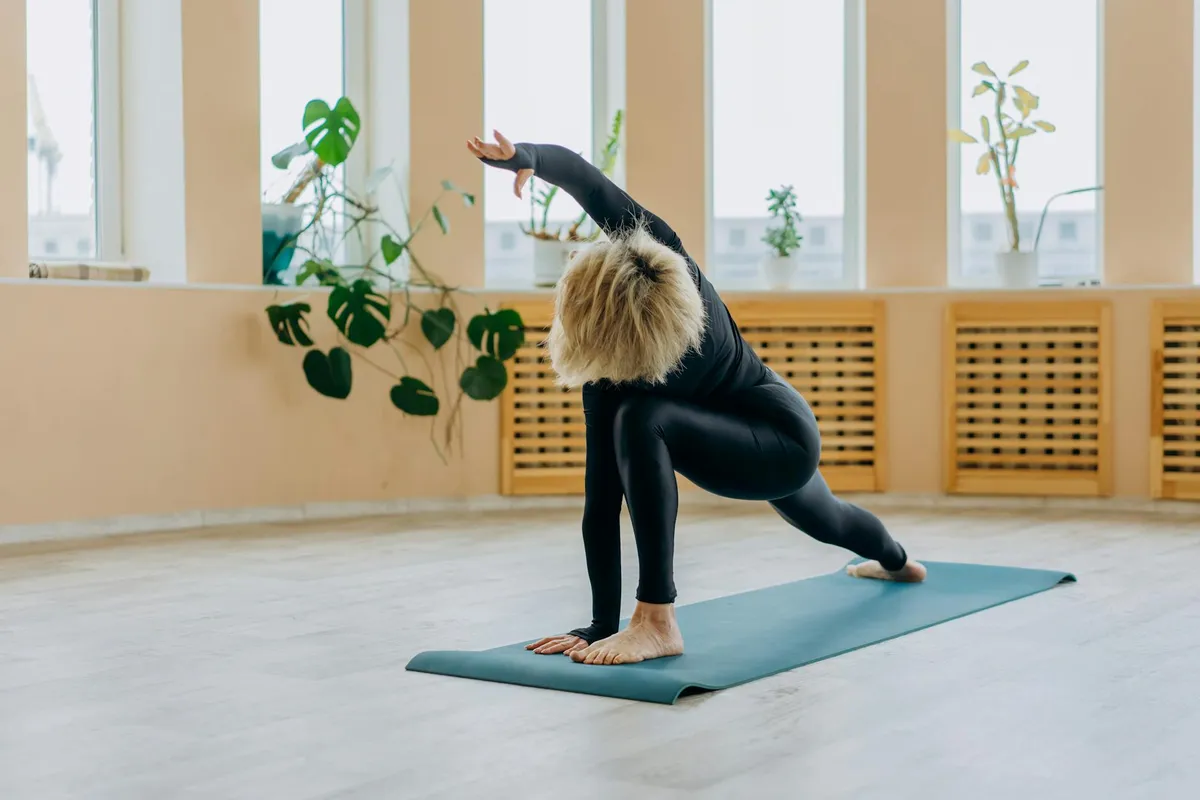
Vinyasa yoga links breath to flowing movements, supporting flexibility and stress relief.
Why explore it
Its breath-driven flow may ease stress, boost flexibility, and sharpen mental clarity.
How it’s experienced
Expect flowing pose sequences with breath cues in 45–75 minute studio, online, or outdoor classes.
Evidence context
Research shows promise for stress and balance, though benefits vary and evidence is still growing.
See the evidence snapshotSafety
Generally safe for healthy adults, but consult your provider if you have injuries or heart concerns.
See staying safeHistory & Origin
Vinyasa is a dynamic style of yoga that combines synchronized breath with a continuous flow of yoga poses, promoting strength, flexibility, and mindfulness.
Vinyasa yoga emerged in the early 20th century as a modern interpretation of traditional yoga practices, though its roots trace back to ancient Indian yoga philosophy. The term 'vinyasa' itself comes from Sanskrit, meaning 'to place in a special way,' referring to the intentional sequencing of poses linked with breath. K. Pattabhi Jois, a student of the renowned yoga teacher Krishnamacharya, is credited with systematizing vinyasa flow in the 1960s through his Ashtanga yoga method, which became foundational to modern vinyasa practice. Krishnamacharya, often called the 'father of modern yoga,' taught multiple students including B.K.S. Iyengar and Indra Devi, all of whom contributed to the global spread of yoga traditions. As yoga gained popularity in the Western world from the 1960s onward, vinyasa evolved into various interpretations, with teachers adding their own artistic and spiritual elements to the flowing sequences. Today, vinyasa yoga has become one of the most popular yoga styles worldwide, offered in studios, gyms, and wellness centers globally, with countless variations in intensity, music integration, and thematic focus.
Mechanism
Vinyasa Yoga is usually understood through movement, breath, attention, and repeated practice. A session may invite the body to explore safer patterns, steadier pacing, or a more settled relationship with sensation. Some traditions describe this as balancing energy or awareness, while contemporary explanations may focus on coordination, nervous system regulation, mobility, and confidence. Experiences vary by person, teacher, setting, and consistency. Vinyasa synchronizes breath with continuous, flowing sequences of yoga postures, where each movement is linked to an inhalation or exhalation.
Your first visit
A typical session outline to help you feel prepared
A Vinyasa yoga class flows through breath-linked movement sequences, blending physical challenge with a calm, meditative rhythm from start to finish.
You'll arrive a few minutes early, remove your shoes, and let the instructor know your experience level or any injuries so they can suggest modifications throughout class.
You'll find a spot on your mat and begin in a comfortable seated or lying position as the instructor invites you to close your eyes, slow your breath, and arrive in the present moment.
The instructor guides you to connect with your ujjayi breath — a soft, audible nasal breathing technique that will anchor every movement throughout the entire session.
You'll move through slow, accessible poses like Cat-Cow and gentle spinal stretches to warm the body, with each movement timed deliberately to an inhale or exhale.
The heart of Vinyasa begins here — you'll flow through repeated Sun Salutations, linking poses like Downward Dog, Plank, and Cobra in a continuous breath-driven sequence that builds heat.
The instructor builds toward one or two more challenging standing, balancing, or strength poses, offering modifications and encouraging you to work at your own pace without pushing into pain.
The pace slows as you move through seated forward folds, hip openers, and gentle twists, allowing your muscles to release the heat built during the flow and your nervous system to settle.
You'll rest completely still in Savasana — lying flat on your back for several minutes — as the instructor guides a brief relaxation before closing the class with a collective breath or quiet acknowledgment.
The Evidence
What research says about vinyasa yoga, where the evidence is strong, and where important gaps remain.
Consistent benefits shown, with methodological limits to note
Research supports vinyasa and yoga broadly for flexibility, stress reduction, and cardiovascular markers. Evidence is more limited for specific health conditions, and most studies face design challenges common to mind-body research.
Studies consistently find that regular yoga practice improves flexibility, muscular strength, balance, and cardiovascular markers including resting heart rate and blood pressure. Evidence for stress reduction, anxiety management, and sleep quality is also reasonably consistent. The evidence base is stronger for general wellbeing outcomes than for specific health conditions.
Common limitations include small sample sizes, difficulty designing true control groups, and wide variation in how yoga is delivered across studies. Isolating yoga's effects from other lifestyle factors is also challenging. These issues mean findings should be interpreted with appropriate caution, particularly for condition-specific claims.
As an alternative practice, vinyasa is typically used alongside, not instead of, conventional care. Its value lies in supporting physical conditioning, stress management, and mindful awareness. Practitioners and users should be cautious about inflated outcome claims and ensure it complements rather than delays appropriate professional assessment when needed.
The term vinyasa comes from Sanskrit, meaning to place in a special way. K. Pattabhi Jois and his teacher Krishnamacharya were central to formalising breath-linked movement sequences. As yoga spread globally, vinyasa evolved into many interpretations, blending traditional philosophy with contemporary fitness and wellness contexts.
Those with recent surgery, osteoporosis, cardiovascular conditions, pregnancy, herniated discs, or acute pain should consult a healthcare provider before beginning. Vinyasa is not recommended during acute injury recovery without medical clearance. Always inform your instructor of limitations, and never push through sharp pain — healthy stretch and pain are not the same.
Vinyasa is not uniformly regulated across countries, so instructor training and experience can differ significantly. Look for teachers with recognised yoga teacher training credentials and experience working with varied populations. If you have a health condition, a one-to-one session or therapeutic yoga class may be more appropriate than a general group class.
Safety first
General guidance to help you decide whether this approach is appropriate for you. This is informational only and not a substitute for medical, psychological, or professional advice.
If you are experiencing severe distress, suicidal thoughts, psychosis, acute trauma, or another serious mental health concern, seek qualified support first.
This approach is not suitable for diagnosis, treatment instructions, or decisions that require medical, legal, financial, or professional advice.
Look for clear boundaries, transparent pricing, and practitioners who avoid fear-based claims or pressure to book frequent sessions.
Treat any insight as one reflective perspective, not absolute truth. Important decisions should be considered with appropriate professional support.
For you?
A simple, human way to weigh it up. This is general guidance, not personal medical advice — a qualified practitioner can advise on your situation.
Gyfts is a discovery platform, not a medical provider. Nothing here diagnoses, treats or replaces professional care. In an emergency, contact your local emergency number.
Explore approaches
Other practices people often explore alongside vinyasa yoga.
In their words
FAQ
A vinyasa class typically lasts 60-90 minutes and begins with centering and breathwork. You then move through a flowing sequence of poses, linking each movement with your breath. The practice builds in intensity, peaks with more challenging poses, then winds down with gentle poses and final relaxation (savasana). The continuous flow creates both physical and mental engagement.
Many people notice improvements in flexibility and mental clarity after 4-6 sessions. Strength gains typically become apparent within 2-3 weeks of regular practice. Long-term benefits in cardiovascular fitness, body composition, and stress resilience develop over months of consistent practice, typically 2-4 sessions weekly.
Yes, many studios offer beginner vinyasa classes designed for those new to yoga. Starting with a beginner or all-levels class allows you to learn proper alignment and breathing techniques at your own pace. Communicate with your instructor that you're new so they can offer modifications and ensure you're practicing safely.
Wear comfortable, stretchy clothing that allows full movement. Bring a yoga mat (usually provided at studios), a water bottle, and a small towel. Some studios request you arrive without shoes. Avoid wearing jewelry or anything that restricts movement. Many studios provide props like blocks and straps.
Vinyasa can support weight management as part of a comprehensive approach. The dynamic, flowing movements elevate heart rate and build lean muscle, which increases metabolism. However, weight loss also depends on diet, overall activity level, and consistency. Vinyasa is best viewed as part of a balanced wellness lifestyle rather than as a standalone weight loss tool.
Vinyasa differs from Hatha yoga in its continuous flow rather than holding poses statically. Unlike Yin yoga, which targets deep connective tissue with long holds, vinyasa emphasizes dynamic movement and breath synchronization. Vinyasa is more athletic and cardiovascular than gentle styles like Restorative yoga, though many variations exist in intensity and pace.
Flexibility improves with consistent practice, and vinyasa yoga helps develop it. Your teacher will offer modifications for all poses, allowing you to practice at your appropriate level. Avoid comparing yourself to other students; yoga is a personal practice. Over weeks and months, you'll notice improved range of motion and ease of movement.
Mild soreness (delayed-onset muscle soreness or DOMS) is common, especially when starting vinyasa or increasing frequency. This typically resolves within a few days as your body adapts. Soreness is different from pain—if you experience sharp, localized pain during or after class, inform your instructor or consult a healthcare provider.
References
Educational sources that inform this overview. Inclusion is for context and does not imply endorsement.
Full citations are maintained by the Gyfts editorial team and reviewed periodically.
Keep exploring
Browse practitioners, explore honest overviews, and take what you learn to a conversation — at your own pace.