What it is
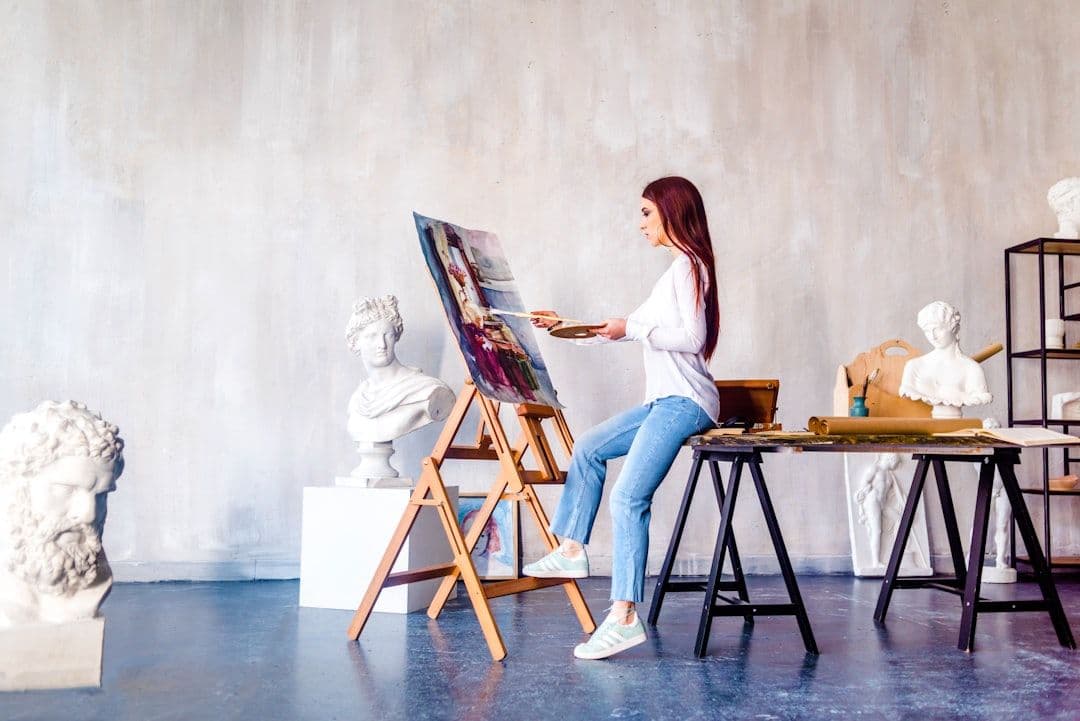
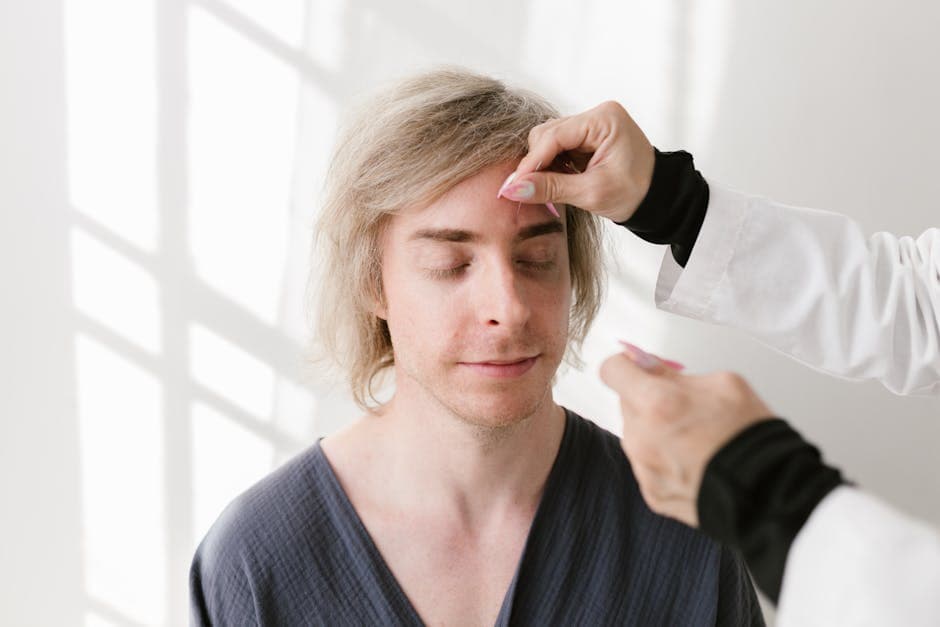
Art therapy uses creative activities like drawing or collage to help you explore emotions.
Art therapy is a mental health profession that uses art-making within a therapeutic relationship to support emotional expression, coping ...
At a glance
What it is
Art therapy uses creative activities like drawing or collage to help you explore emotions.
Why explore it
Creative expression may ease anxiety, lift mood, and support those coping with grief or chronic pain.
How it’s experienced
A credentialed therapist guides you through creating and reflecting—no artistic skill required.
Evidence context
Some studies show benefits for anxiety and depression, though results vary by person and condition.
See the evidence snapshotSafety
Art therapy is low risk, but emotions can arise, so open communication with your therapist matters.
See staying safeHistory & Origin
Art Therapy utilizes creative processes to improve mental health and emotional well-being.
Art therapy emerged in the mid-20th century, integrating psychotherapy with creative processes. It is now practiced by trained clinicians and used across healthcare, education, and community settings.
Mechanism
Art Therapy is generally framed as a guided process for attention, reflection, learning, and emotional integration. Depending on the method, a practitioner may use conversation, imagery, structured exercises, body awareness, or therapeutic techniques to help the person explore patterns and choices. It should not be presented as a standalone solution or a substitute for urgent care, but it may support self-understanding when practiced within an appropriate scope. Art therapy involves a trained therapist facilitating the creative process—drawing, painting, sculpture, collage, or other visual media—to help you externalise and explore thoughts and emotions that may be difficult to articulate verbally.
Your first visit
A typical session outline to help you feel prepared
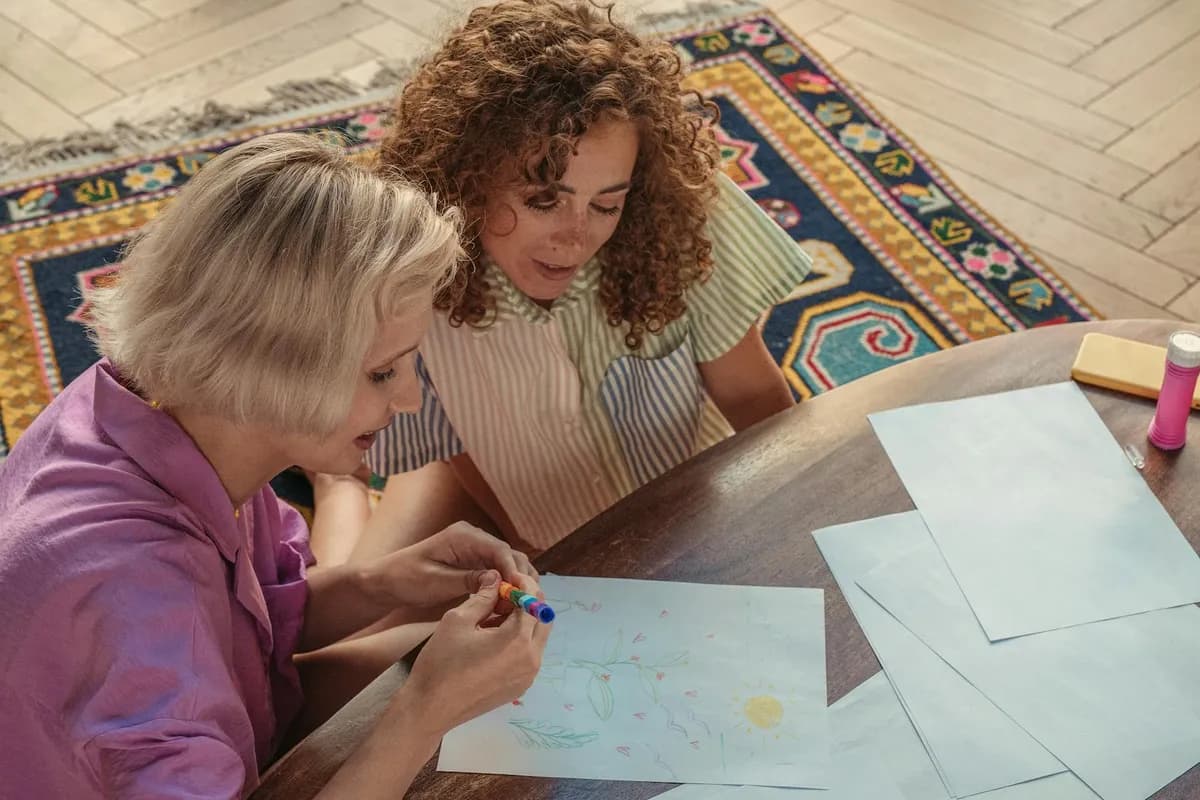
An art therapy session blends creative expression with guided reflection, using simple art-making to help you explore emotions and experiences at your own pace.
Your therapist greets you warmly and takes a few minutes to ask how you're feeling and what's been on your mind lately, helping build trust and set a comfortable tone.
Together, you and your therapist briefly discuss what you'd like to focus on or explore during the session, whether that's a specific feeling, situation, or simply seeing what comes up.
You're introduced to the available art supplies, which might include paints, colored pencils, collage materials, clay, or markers, and invited to choose what feels right to you, no experience required.
This is the heart of the session. You create freely or with gentle guidance from your therapist, who may offer prompts like drawing your mood or making a collage of what safety feels like to you.
Your therapist sits nearby, offering quiet support while you work. There are no right or wrong outcomes here; the process of making the art matters far more than the finished result.
Once you set down your tools, your therapist invites you to talk about what you created, asking open questions about colors, shapes, or images and what they might mean to you emotionally.
Together you explore how themes in your artwork might connect to your real experiences, feelings, or coping patterns, gently uncovering insights you can carry with you beyond the session.
The session wraps up with a brief check-out to see how you're feeling, and your therapist may suggest simple creative activities to try on your own before your next appointment.
The Evidence
What research currently shows about art therapy, where evidence is stronger, and what to keep in mind when exploring it.
Promising signals, with real limitations in the research
Reviews suggest art therapy may support anxiety, depression, and quality of life in certain groups. Evidence is growing but remains limited by small sample sizes and varied study designs, so findings should be interpreted with appropriate caution.
Systematic reviews and meta-analyses suggest art therapy may reduce anxiety and depressive symptoms and improve quality of life, particularly in cancer care, mental health settings, and older adults. However, many studies involve small samples and inconsistent methods, making broad conclusions difficult. Benefits appear most consistent when art therapy is delivered by trained therapists within structured programmes.
Within the MACH framework, art therapy sits in the Complementary category — meaning it is generally used to support, not replace, established care pathways. It may add value alongside psychological therapies or medical treatment by offering a non-verbal route to emotional expression and processing. It is not a substitute for professional assessment or evidence-based clinical care.
Credentialed art therapists work in hospitals, oncology units, mental health services, schools, and community programmes. In these contexts, art therapy is typically part of a broader care plan rather than a standalone intervention. Regulatory standards for art therapy practitioners vary by country, so checking local credentialling bodies is advisable when seeking a qualified practitioner.
For most people, art therapy carries low risk. However, when working with severe trauma, psychosis, or acute mental health crises, it should be delivered by appropriately credentialed clinicians and integrated into a broader care plan. Emotional safety and confidentiality are essential to the therapeutic process. If you are in acute distress, please seek qualified professional support first.
Many art therapy studies are small, use different outcome measures, and lack control groups, making it hard to draw firm conclusions. Evidence does not support inflated outcome claims, and art therapy should not be positioned as a primary intervention for serious mental health conditions. Interpreting positive findings with appropriate caution is important until larger, well-designed trials are available.
Art therapy is a distinct profession from general art instruction or creative workshops. Qualified art therapists typically hold postgraduate clinical training and registration with a recognised professional body. In the UK, registration with the Health and Care Professions Council (HCPC) applies; other countries have equivalent bodies. Checking credentials is especially important when seeking support for mental health concerns.
Safety first
General guidance to help you decide whether this approach is appropriate for you. This is informational only and not a substitute for medical, psychological, or professional advice.
Some situations call for extra care or a different approach. Share any conditions, injuries, or sensitivities with your practitioner before your first session.
If you are pregnant, managing a health condition, recovering from injury or surgery, or taking medication, consult a qualified healthcare professional first.
Look for clear boundaries, transparent pricing, and practitioners who avoid fear-based claims or pressure to book frequent sessions.
Mild, short-lived effects such as tenderness, tiredness, or temporary soreness can occur. Rest, hydrate, and tell your practitioner how you respond.
For you?
A simple, human way to weigh it up. This is general guidance, not personal medical advice — a qualified practitioner can advise on your situation.
Gyfts is a discovery platform, not a medical provider. Nothing here diagnoses, treats or replaces professional care. In an emergency, contact your local emergency number.
Explore approaches
Other practices people often explore alongside art therapy.
In their words
FAQ
No. Art therapy focuses on process and expression rather than artistic skill or aesthetics.
Art therapy is delivered by trained mental health professionals and includes therapeutic goals, clinical boundaries, and reflective processing.
Art therapy is a professionally regulated psychotherapeutic practice (HCPC-registered in the UK) that uses art-making as the primary vehicle for communication, exploration, and healing. The key distinction from art classes is that the creative process — not the product — is the therapeutic medium. Clients do not need artistic skill. The therapist uses art-making to facilitate expression of experiences, emotions, and inner states that may be difficult to verbalise, and the therapeutic relationship to process what emerges. Theoretically, art therapy draws on psychodynamic, humanistic, developmental, and cognitive-behavioural frameworks.
Art therapy has evidence across a wide range of presentations. The strongest evidence exists for mental health conditions: depression, anxiety, PTSD, and schizophrenia (for reducing distress and improving quality of life). Strong evidence exists for dementia — art therapy consistently shows improvements in wellbeing, social engagement, and emotional expression in dementia care settings. Moderate evidence supports art therapy for cancer patients (reducing anxiety, depression, and fatigue), children with learning difficulties, and people with chronic pain. It is particularly valuable for presentations where verbal expression is limited or insufficient.
No — this distinction matters. Arts and crafts in a therapeutic or occupational context can be valuable for engagement, distraction, and social connection, but it is not the same as clinical art therapy. Art therapy is conducted by a qualified, registered art therapist who uses specific therapeutic frameworks, manages the therapeutic relationship, and works with the psychological material that emerges through the creative process. If you are seeking art therapy for mental health, trauma, or clinical needs, ensure your practitioner is HCPC-registered (UK) or holds equivalent professional credentials.
References
Educational sources that inform this overview. Inclusion is for context and does not imply endorsement.
Full citations are maintained by the Gyfts editorial team and reviewed periodically.
Keep exploring
Browse practitioners, explore honest overviews, and take what you learn to a conversation — at your own pace.