What It Is
Chloasma is excess melanin causing dark facial patches, often linked to hormones or sun exposure.
Understanding the skin changes that come with hormonal shifts
At a glance
What It Is
Chloasma is excess melanin causing dark facial patches, often linked to hormones or sun exposure.
How It Presents
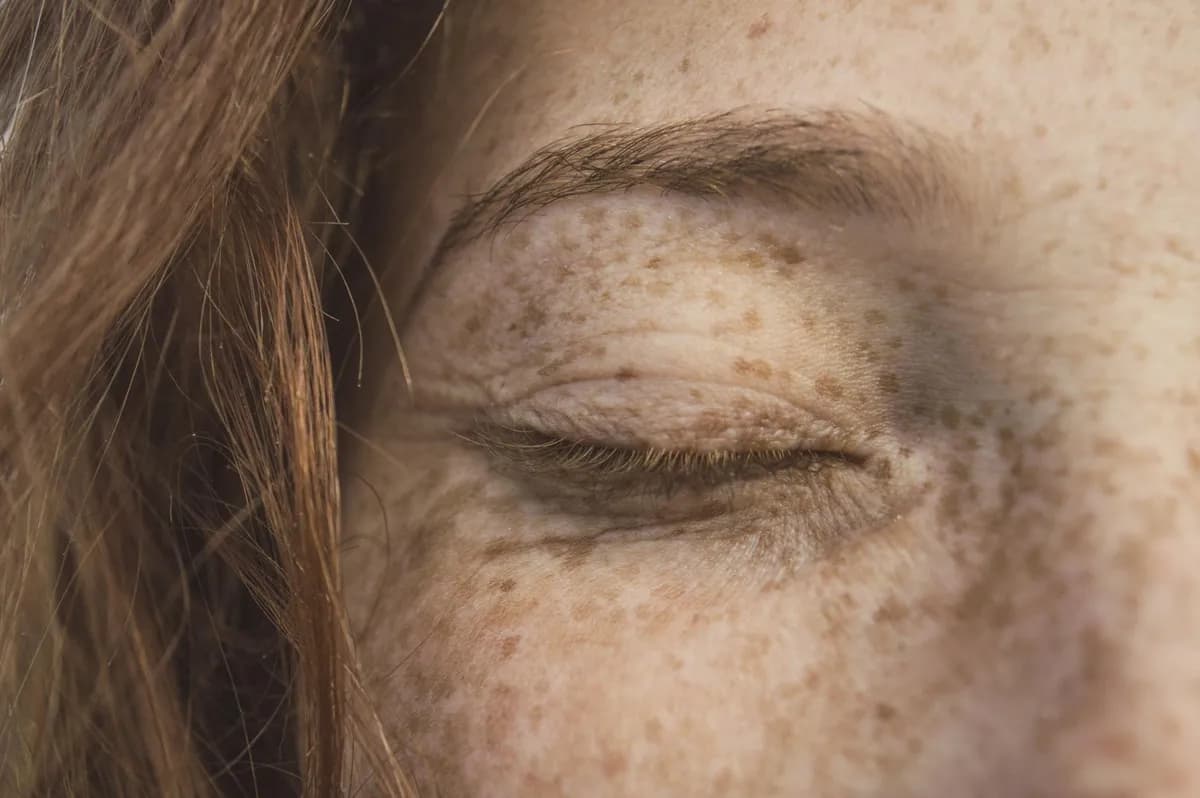
Symmetrical brownish patches appear on cheeks, forehead, upper lip, and chin gradually over time.
What May Help
Sun protection, skin-supportive nutrition, and some herbal or naturopathic approaches are commonly explored.
Evidence Context
Evidence is moderate; some naturals show promise, though results vary and research is still developing.
See the evidence snapshotWhen to Seek Help
See a dermatologist if patches spread rapidly, change in texture, or significantly affect your wellbeing.
Explanation
Chloasma (melasma) describes dark patches on the skin caused by excess melanin, commonly triggered by hormonal changes or sun exposure in pregnancy. Sun protection, topical naturals, nutritional support for skin health, and hormonal balance are holistic management approaches.
Could this be you
Chloasma shows up differently for everyone. Browse by how it tends to be felt — these are common experiences, not a checklist or a diagnosis.
Common experiences people describe — not a diagnostic checklist.
Why it happens
Chloasma usually comes from a mix of factors rather than a single cause. These are common contributors — not certainties.
Hormonal shifts and genetic skin type may increase melanin overproduction, raising chloasma risk.
Chronic stress may influence hormone levels, potentially worsening uneven pigmentation over time.
Hormonal contraception, pregnancy, and UV exposure are commonly linked to chloasma development.
Poor sleep may affect skin cell repair, possibly making pigmentation changes more pronounced.
What happens in the body
Chloasma can involve several of the body’s systems. These are common patterns researchers describe — how they show up varies from person to person.
Melanocytes may overproduce melanin in response to hormonal signals or UV exposure, causing pigment to accumulate unevenly in the skin's upper layers.
Elevated estrogen and progesterone levels, such as those during pregnancy or hormonal contraceptive use, may stimulate melanocyte-stimulating hormone activity and trigger excess pigmentation.
Low-grade skin inflammation may disrupt normal melanocyte regulation, potentially contributing to irregular pigment distribution in affected areas.
The visible nature of facial pigmentation changes may contribute to psychological stress, which some research suggests could further influence hormonal and inflammatory pathways involved in skin pigmentation.
Process
Management
A dermatologist may discuss prescription or over-the-counter topical ingredients such as hydroquinone, azelaic acid, or kojic acid, which some people find may support a more even skin tone over time.
Broad-spectrum SPF 30 or higher sunscreen used daily is widely considered a cornerstone approach, as UV exposure is a key contributor to pigmentation deepening in chloasma.
Some practitioners suggest professional treatments such as superficial chemical peels or laser therapy as options to discuss with a dermatologist, particularly for persistent or deeper pigmentation.
Ingredients such as licorice root extract, vitamin C, and niacinamide are traditionally used in holistic skincare and some people find they may support a reduction in the appearance of dark spots over consistent use.
Naturopathic practitioners may explore dietary, gut health, and adaptogen-based approaches that some people find may support hormonal balance, which is closely linked to chloasma development.
Self-Care
Sun exposure is a key trigger for chloasma. Applying a mineral-based sunscreen every morning, even on cloudy days, may help support more even skin tone over time.
Harsh products and exfoliants may worsen pigmentation. Some people find that simple, fragrance-free cleansers and moisturizers help reduce skin irritation that can contribute to uneven tone.
A diet rich in colorful vegetables, berries, and omega-3 sources may support overall skin health. Some practitioners suggest reducing processed foods and sugar to help manage inflammation linked to pigmentation.
Hormonal changes triggered by chronic stress may influence melanin production. Some people find that yoga, breathwork, or short daily walks help support hormonal balance and overall wellbeing.
Adequate sleep may support skin repair and help regulate the hormonal fluctuations that some practitioners associate with chloasma flare-ups. Aiming for a regular sleep schedule may be beneficial.
The Evidence
What research and clinical practice currently suggest about managing skin pigmentation changes linked to hormones and sun exposure.
Sun protection is well-supported; complementary approaches are emerging
Conventional dermatology offers the strongest evidence base for managing chloasma. Complementary and lifestyle strategies show emerging support for symptom management, particularly when used alongside professional skin care.
Broad-spectrum sun protection is consistently supported across dermatological research as the most effective strategy for limiting pigmentation worsening. Topical agents such as vitamin C and niacinamide have moderate evidence for supporting skin tone. Nutritional and herbal approaches have emerging but limited evidence and are best considered as supportive rather than primary strategies.
Standard dermatological care focuses on reducing melanin overproduction and preventing UV-triggered flares. Hormonal factors are often reviewed, particularly where contraceptive use or pregnancy is involved. Because chloasma tends to recur, ongoing sun protection is considered essential regardless of which other strategies are used.
Some practitioners use nutritional support — including antioxidants and anti-inflammatory dietary strategies — to support skin barrier function and hormonal balance. Herbal preparations with depigmenting properties are used in several traditional systems, though clinical evidence remains limited. These approaches are best explored with a qualified practitioner and are not a substitute for professional skin assessment.
Hormonal fluctuations, chronic stress, and nutritional status may each influence melanocyte activity. Holistic practitioners often address these factors together, supporting overall endocrine and skin health rather than focusing solely on the pigmentation itself. Evidence for this integrated approach is limited but consistent with broader research on skin-hormone interactions.
Seek medical assessment if you notice a rapidly spreading skin change, fever alongside skin symptoms, a mole that changes shape or colour quickly, or a persistent open skin lesion. Chloasma itself is not dangerous, but these signs may indicate conditions requiring timely professional attention. Do not stop any prescribed skin medication without guidance from your prescribing clinician.
Many studies on nutritional, herbal, and mind-body approaches for skin pigmentation are small, short-term, or lack standardised methods. This makes it difficult to draw firm conclusions about effectiveness. Gyfts presents this information for educational purposes only and does not make inflated outcome claims. A qualified dermatologist or integrative practitioner can help you evaluate options suited to your situation.
Safety first
Chloasma is manageable, and support helps. Some situations call for prompt professional help.
Explore approaches
Practices people explore for chloasma — alongside professional care.
FAQ
Estrogen and progesterone may stimulate melanocytes, the cells that produce skin pigment. This is why chloasma is especially common during pregnancy or when using hormonal contraception. Sun exposure can intensify this response.
For some people, patches fade gradually after hormonal levels normalize postpartum. However, melasma has a strong tendency to recur, especially with sun exposure, so ongoing sun protection is generally recommended.
Some practitioners suggest topical botanicals like licorice root or vitamin C to support a more even skin tone. Nutritional support for skin health and sun avoidance are also commonly explored within naturopathic care.
Consult a dermatologist if patches worsen, spread beyond the face, change in texture, or cause significant distress. Any sudden changes in existing moles or new unusual lesions should always be professionally evaluated.
Evidence is moderate and still growing. Some studies suggest certain botanicals and antioxidants may support skin tone, but results are inconsistent. Combining any natural approach with reliable sun protection tends to be the most widely supported strategy.
Keep exploring
Browse practitioners, explore honest overviews, and take what you learn to a conversation — at your own pace.