What It Is
Edema is a buildup of excess fluid in body tissues, most often in the legs and ankles.
Understanding the swelling that weighs your day down
At a glance
What It Is
Edema is a buildup of excess fluid in body tissues, most often in the legs and ankles.
How It Presents
Puffiness, tight or heavy skin, shoe tightness, and aching that worsens through the day.
What May Help
Gentle movement, elevation, compression, and supportive therapies like pregnancy massage.
Evidence Context
Research is moderate; some approaches show promise but individual responses vary widely.
See the evidence snapshotWhen to Seek Help
Seek care for sudden swelling, chest pain, breathlessness, or swelling in one leg only.
Explanation
Edema occurs when excess fluid accumulates in the body's tissues, causing swelling that most often affects the legs, ankles, and feet. Contributing factors include reduced circulation, prolonged sitting or standing, hormonal changes, dietary sodium intake, and certain medications. Edema may be associated with kidney, liver, or cardiovascular concerns, and a healthcare provider should be consulted when swelling is new, severe, or unexplained. Lifestyle adjustments such as elevating the legs, staying active, and moderating sodium intake are strategies some people find helpful. Complementary herbal and nutritional approaches are traditionally used to support fluid balance and healthy circulation, and should be used alongside appropriate medical care.
Could this be you
Edema shows up differently for everyone. Browse by how it tends to be felt — these are common experiences, not a checklist or a diagnosis.
Common experiences people describe — not a diagnostic checklist.
Why it happens
Edema usually comes from a mix of factors rather than a single cause. These are common contributors — not certainties.
Genetic factors and circulatory differences may make some people more prone to fluid retention in the tissues.
Chronic stress may influence hormone levels and blood pressure, which can contribute to fluid imbalance over time.
Conditions like heart, kidney, or venous insufficiency may impair fluid regulation, and a sedentary lifestyle adds risk.
Poor sleep may affect hormonal balance and circulation, potentially worsening fluid retention in some individuals.
What happens in the body
Edema can involve several of the body’s systems. These are common patterns researchers describe — how they show up varies from person to person.
When venous or lymphatic pressure rises or cardiac output falls, fluid may leak from capillaries into surrounding tissue, causing visible swelling.
Hormonal signals such as aldosterone and antidiuretic hormone may promote sodium and water retention, potentially contributing to fluid accumulation in tissues.
The kidneys regulate fluid volume, and when their filtering or excretion capacity is altered, excess fluid may build up and redistribute into peripheral tissues.
Localized or systemic inflammation may increase capillary permeability, allowing protein-rich fluid to shift out of blood vessels and pool in surrounding tissue.
Process
Management
A doctor may discuss diuretic medications to help the body release excess fluid through urination. These are commonly used when edema is linked to heart, kidney, or circulation concerns.
Compression stockings or wraps are widely used to support fluid movement in the legs. Some people find consistent use helps reduce swelling and the sensation of heaviness by the end of the day.
Elevating the legs above heart level and taking regular movement breaks may support fluid drainage from the lower limbs, particularly for those who sit or stand for long periods.
Reducing sodium intake is a commonly recommended strategy, as excess salt may contribute to fluid retention. A healthcare provider or dietitian can help identify practical adjustments.
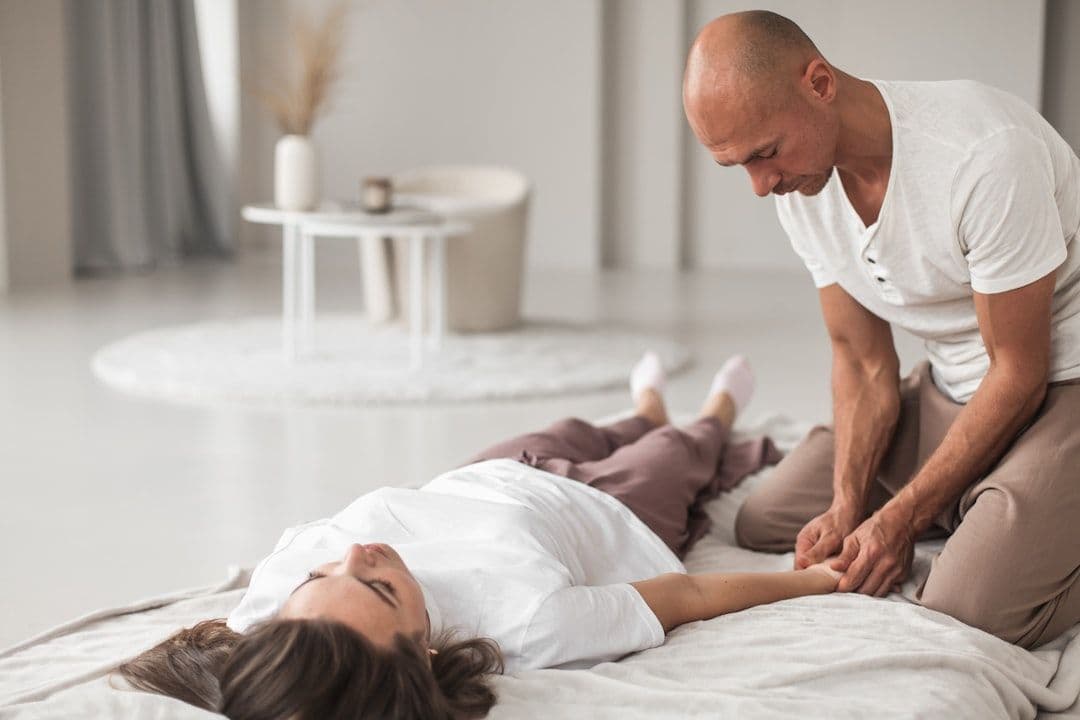
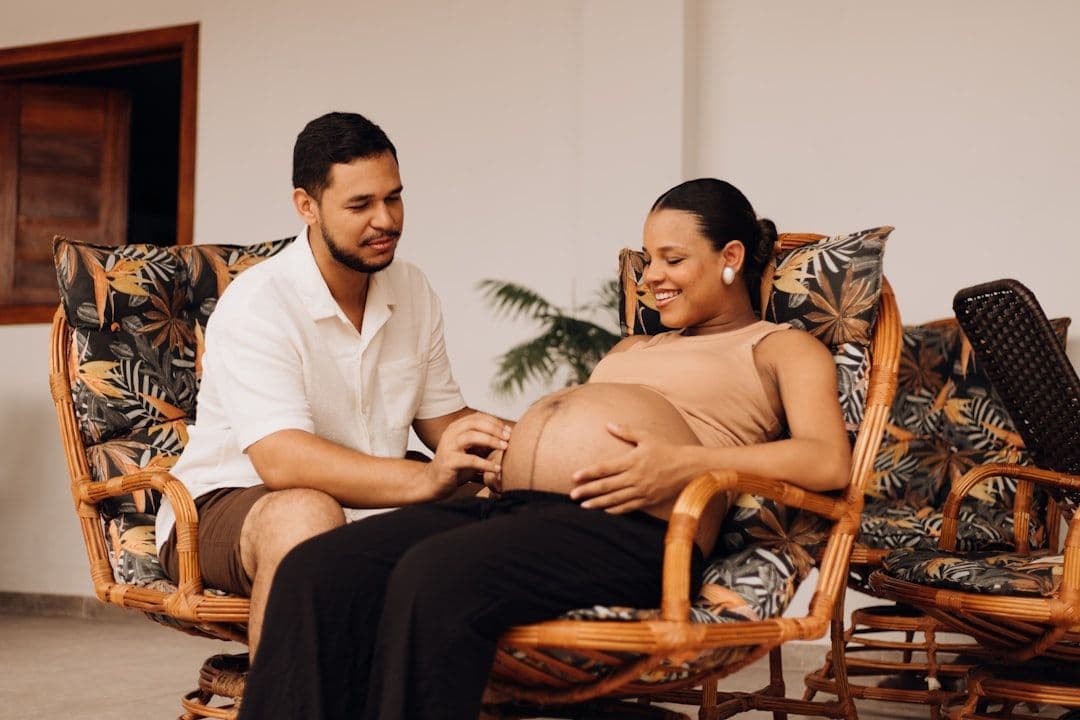
For pregnancy-related edema, some practitioners suggest specialized pregnancy massage may support circulation and help ease the discomfort and heaviness associated with fluid buildup in the legs and ankles.
Self-Care
Raising your feet above heart level for short periods during the day may support fluid drainage from the lower limbs and help ease heaviness and tightness.
Taking short walks or doing gentle calf raises every hour may support circulation, particularly if your day involves long periods of sitting or standing.
Limiting high-salt foods such as processed snacks and canned soups may help the body retain less fluid, which some people find reduces visible puffiness over time.
Some practitioners suggest wearing properly fitted compression stockings during the day to help encourage fluid movement up from the ankles and lower legs.
Drinking adequate water throughout the day may support kidney function and fluid balance, which some people find helps prevent fluid from pooling in the tissues.
The Evidence
What the research says about edema, its underlying mechanisms, and the role of complementary approaches alongside conventional care.
Edema is well understood; complementary support is emerging
The physiology of fluid accumulation is well established, and medical management has a strong evidence base. Complementary approaches for supporting circulation and fluid balance show promise but have more limited research behind them.
Medical interventions for edema — including diuretics, compression, and treating underlying causes — are backed by substantial clinical evidence. Lifestyle strategies such as physical activity, sodium moderation, and leg elevation have meaningful support. Herbal and nutritional approaches are traditionally used for fluid balance, but high-quality clinical trials remain limited.
Swelling that is new, unexplained, or worsening should be evaluated by a healthcare provider to identify any underlying cause. Conditions such as heart failure, kidney disease, and liver dysfunction can all present with edema. Appropriate professional assessment is essential before relying on self-management or complementary strategies alone.
Seek emergency care for sudden severe swelling, chest pain accompanied by swelling, or significant shortness of breath. One-sided leg swelling may indicate a blood clot and warrants prompt assessment. Swelling following an injury or associated with fainting also requires urgent professional evaluation.
Acupuncture, naturopathy, and nutritional therapy are among the approaches people use to support healthy circulation and fluid regulation. Evidence for these in the context of edema is preliminary and largely based on traditional use or small studies. They are best considered as supportive additions to, not substitutes for, appropriate medical care.
Regular movement, elevating the legs when resting, and moderating dietary sodium are practical strategies with reasonable evidence for reducing mild fluid retention. Maintaining a healthy weight and staying well hydrated also support overall circulatory function. Yoga and tai chi may assist circulation and mobility, though specific edema evidence is limited.
If you are using complementary approaches alongside prescribed medications for a cardiovascular, renal, or other underlying condition, inform all practitioners involved. Some herbal preparations may interact with medications affecting fluid balance or blood pressure. Prescribed medications should never be stopped without medical guidance.
Safety first
Edema is manageable, and support helps. Some situations call for prompt professional help.
Explore approaches
Practices people explore for edema — alongside professional care.
FAQ
Gravity pulls fluid downward during upright activity, so swelling in the feet and ankles often builds throughout the day. Elevating your legs when resting may help fluid redistribute and some people find this brings noticeable relief.
Some people find that pregnancy massage and similar manual therapies may support fluid movement and ease the sensation of heaviness. Evidence is moderate, so these approaches are best used alongside, not instead of, medical guidance.
High sodium intake is associated with fluid retention, and some people find that moderating salt may support a reduction in mild swelling. Staying well hydrated and eating plenty of vegetables may also help maintain healthy fluid balance.
Consult a doctor if swelling is sudden, affects only one leg, is accompanied by pain or redness, or comes with breathlessness or chest discomfort. These signs may indicate a condition that needs prompt medical evaluation.
Not always. Mild edema is commonly linked to prolonged sitting, heat, or pregnancy. However, persistent or unexplained swelling may reflect issues with heart, kidney, or circulation, so a medical assessment is always worthwhile.
Keep exploring
Browse practitioners, explore honest overviews, and take what you learn to a conversation — at your own pace.