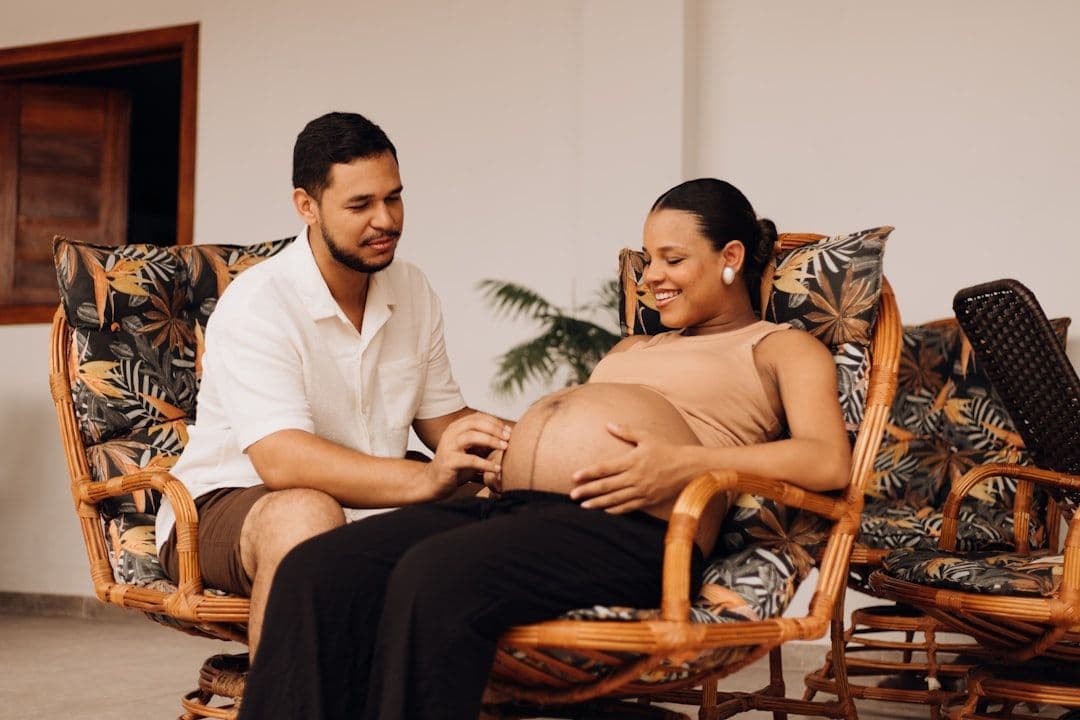
What it is
A gentle, adapted massage designed to safely support your body through pregnancy.
Pregnancy Massage is a specialized form of therapeutic massage designed to address the physical and emotional needs of expectant mothers ...
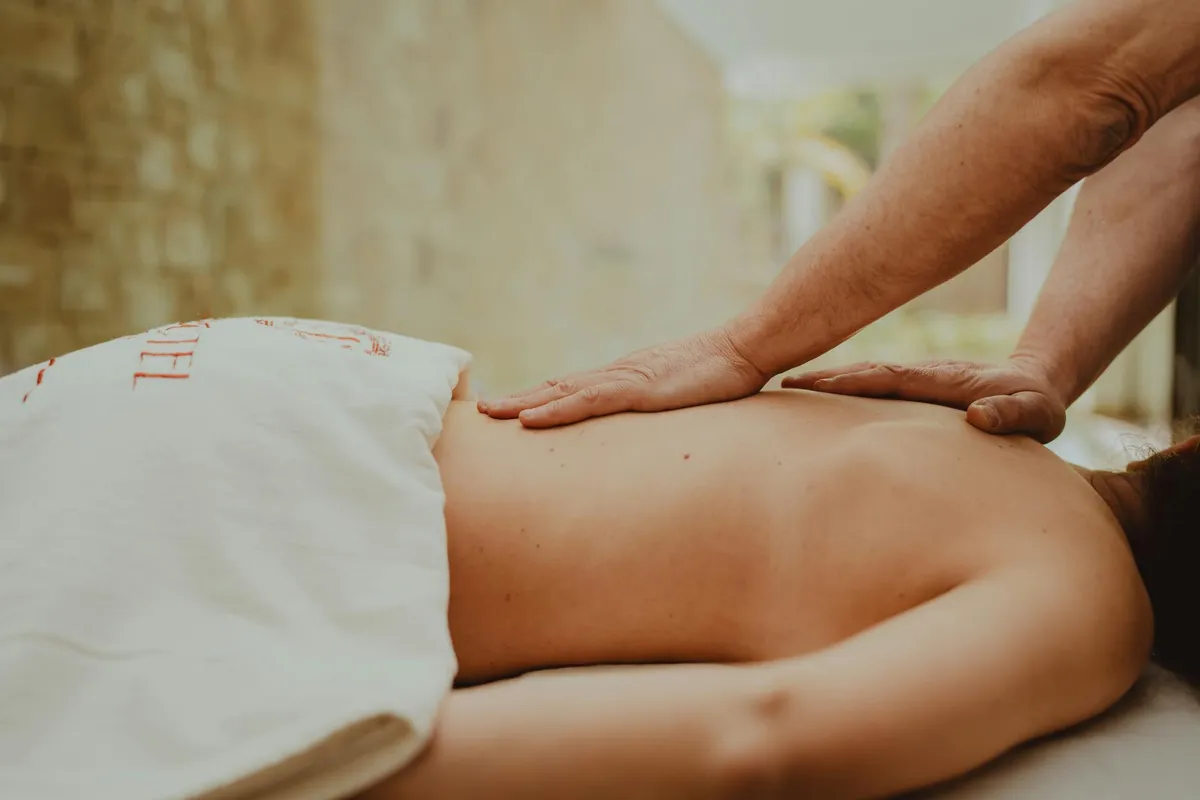
At a glance
What it is
A gentle, adapted massage designed to safely support your body through pregnancy.
Why explore it
It may ease back pain, leg cramps, swelling, anxiety, and help you sleep better.
How it’s experienced
You rest side-lying on supportive pillows while a therapist works your back, hips, and legs.
Evidence context
Early research shows comfort and mood benefits, though results vary from person to person.
See the evidence snapshotSafety
Consult your OB first, especially with preeclampsia, DVT, or preterm labor concerns.
See staying safeHistory & Origin
Pregnancy Massage involves therapeutic massage techniques designed specifically for expectant mothers.
Massage therapy has been used to support pregnant individuals for thousands of years across many cultures, with evidence of prenatal touch therapies documented in traditional Chinese medicine, Ayurvedic practice, and indigenous healing traditions. In the modern era, pregnancy massage emerged as a formalized complementary practice in the late 20th century as practitioners recognized the unique anatomical and physiological changes of pregnancy required adapted techniques and positioning. Key figures in developing contemporary prenatal massage include pioneers in the massage therapy field who created specialized training protocols and certifications, establishing safety guidelines that distinguished pregnancy massage from general therapeutic massage. The modality gained wider recognition as obstetric care providers increasingly acknowledged the potential benefits of complementary approaches to managing pregnancy-related discomfort, leading to its integration into some hospital birthing programs and prenatal wellness centers.
Mechanism
Pregnancy Massage is generally described as working through skilled touch, careful pacing, and the body's response to pressure, movement, warmth, or stillness. Practitioners may focus on muscle tone, joint comfort, circulation, breath, or relaxation depending on the method. Traditional explanations may also include energy flow or whole-person balance. Research support varies by modality, so the experience is best framed as supportive care with outcomes that vary. Pregnancy massage adapts standard massage techniques to accommodate postural changes, weight redistribution, and hormonal shifts during pregnancy.
Your first visit
A typical session outline to help you feel prepared
A pregnancy massage session is a nurturing, full-body experience designed to support your comfort and wellbeing through gentle, specialized techniques safe for you and your baby.
Your therapist will walk through a detailed intake form covering your due date, trimester, any pregnancy complications, and areas of discomfort so the session can be fully tailored to your needs.
Rather than lying flat, you'll be carefully positioned on your side or semi-reclined using a system of supportive pillows and bolsters designed specifically for pregnant bodies, keeping you and your b
Your therapist will explain how you'll stay draped with a sheet at all times and will confirm which areas you'd like addressed and which to avoid, so you always feel safe and in control.
The session begins with slow, broad strokes across your back and shoulders to help your nervous system settle and allow your muscles to gradually release tension.
Your therapist works through key areas that commonly hold tension during pregnancy, including the lower back, hips, glutes, and neck, using lighter pressure than a standard massage to keep things safe and soothing.
Special attention is given to swollen ankles and tired legs using gentle lymphatic-style strokes, while deep pressure on certain points in the feet and ankles is carefully avoided as a precaution.
As the session winds down, your therapist uses long, calming strokes to ease you out of the treatment and gives you a few quiet moments to rest before slowly sitting up to avoid any dizziness.
Your therapist will share hydration tips, suggest comfortable positions for rest at home, and talk through how often sessions might benefit you as your pregnancy progresses.
The Evidence
What the research shows about pregnancy massage, where the evidence is strong, and where important gaps remain.
Consistent findings for pain and stress relief, with research limitations
Multiple studies and systematic reviews support pregnancy massage for reducing musculoskeletal pain and anxiety in expectant mothers. Evidence is moderate overall — findings are encouraging but limited by small sample sizes and study design constraints.
Systematic reviews show fairly consistent benefits for pregnancy-related low back pain, hip and shoulder tension, and anxiety. These outcomes have the most study support. Evidence for effects on labor outcomes or prevention of complications is considerably weaker and less rigorously studied.
Many trials involve small participant groups and lack rigorous control conditions. Because participants always know they are receiving massage, placebo effects are difficult to rule out. This means benefits are plausible and observed, but their true size relative to placebo remains uncertain.
Most major obstetric bodies acknowledge pregnancy massage as generally safe under qualified care. However, conditions such as preeclampsia, placental abnormalities, DVT, or threatened preterm labor require medical assessment before any massage. Always inform your obstetrician or midwife before starting.
Evidence supports its use alongside standard prenatal care for symptomatic relief of discomfort and stress. It is not a substitute for professional obstetric assessment and should be coordinated with your healthcare team, particularly if you have any pregnancy complications or risk factors.
Practitioners should hold recognized prenatal massage certification and be familiar with trimester-specific positioning, contraindicated techniques, and pressure modifications. Confirm your practitioner's qualifications before booking, and ensure they are aware of your full pregnancy history.
Traditional Chinese medicine, Ayurvedic practice, and various indigenous traditions have long incorporated supportive touch during pregnancy. Contemporary pregnancy massage developed structured protocols and safety guidelines that distinguish it from general massage, reflecting both historical roots and modern clinical awareness.
Safety first
General guidance to help you decide whether this approach is appropriate for you. This is informational only and not a substitute for medical, psychological, or professional advice.
If you are pregnant, managing a health condition, recovering from injury or surgery, or taking medication, consult a qualified healthcare professional first.
Some situations call for extra care or a different approach. Share any conditions, injuries, or sensitivities with your practitioner before your first session.
Look for clear boundaries, transparent pricing, and practitioners who avoid fear-based claims or pressure to book frequent sessions.
Mild, short-lived effects such as tenderness, tiredness, or temporary soreness can occur. Rest, hydrate, and tell your practitioner how you respond.
For you?
A simple, human way to weigh it up. This is general guidance, not personal medical advice — a qualified practitioner can advise on your situation.
Gyfts is a discovery platform, not a medical provider. Nothing here diagnoses, treats or replaces professional care. In an emergency, contact your local emergency number.
Explore approaches
Other practices people often explore alongside pregnancy massage.
In their words
FAQ
When performed by a certified prenatal massage therapist, pregnancy massage is generally considered safe throughout pregnancy. However, it is essential to obtain clearance from your obstetrician first, especially if you have any pregnancy complications. The therapist should have specific training in adapting techniques for pregnancy and understanding contraindications. Safety depends on proper training, appropriate positioning, and honest communication about your medical history.
Many practitioners recommend waiting until after the first trimester, though some trained therapists provide conservative massage earlier. This conservative approach reflects traditional caution around first trimester miscarriage risk, though scientific evidence specifically linking massage to miscarriage is limited. Discuss the timing with your healthcare provider and your prospective therapist to determine what is appropriate for your situation.
Frequency varies based on individual needs and pregnancy stage. Some people benefit from monthly sessions, while others prefer bi-weekly or weekly sessions, particularly in the third trimester when discomfort often peaks. Your therapist can recommend a frequency that addresses your symptoms without exceeding safe limits. Discuss your needs and any budget considerations with your therapist.
You will typically undress to your comfort level; most people remove most clothing and cover themselves with a sheet. Your therapist will undrape only the area being worked on to maintain your privacy and comfort. You should never feel pressured to undress beyond your comfort level, and your preferences should always be respected.
Some evidence suggests that massage, particularly in the weeks before labor, may support relaxation and potentially influence labor outcomes, though the research is limited and mixed. Some practitioners use specific techniques intended to prepare the perineum and pelvic tissues, though evidence for these techniques is emerging. Discuss labor preparation goals with both your healthcare provider and massage therapist.
Report any pain immediately to your therapist—pregnancy massage should feel relaxing and beneficial, not painful. Pain may indicate that pressure is too deep, positioning is uncomfortable, or the therapist has touched a sensitive area. Your therapist should adjust immediately. Afterwards, mild soreness can occur similar to other massage, but sharp or persistent pain warrants discussion with your healthcare provider.
These conditions require medical clearance before beginning massage. Your obstetrician needs to assess your specific situation and may approve gentle massage or recommend avoiding it depending on severity and management. Always obtain written clearance from your healthcare provider before proceeding with massage if you have any pregnancy complications.
Coverage varies significantly by insurance plan and therapist credentials. Some plans cover massage when performed by a licensed massage therapist with a doctor's referral, while others do not. Check with your insurance provider about coverage and ask your therapist about their credentials and whether they can bill insurance.
References
Educational sources that inform this overview. Inclusion is for context and does not imply endorsement.
Full citations are maintained by the Gyfts editorial team and reviewed periodically.
Keep exploring
Browse practitioners, explore honest overviews, and take what you learn to a conversation — at your own pace.