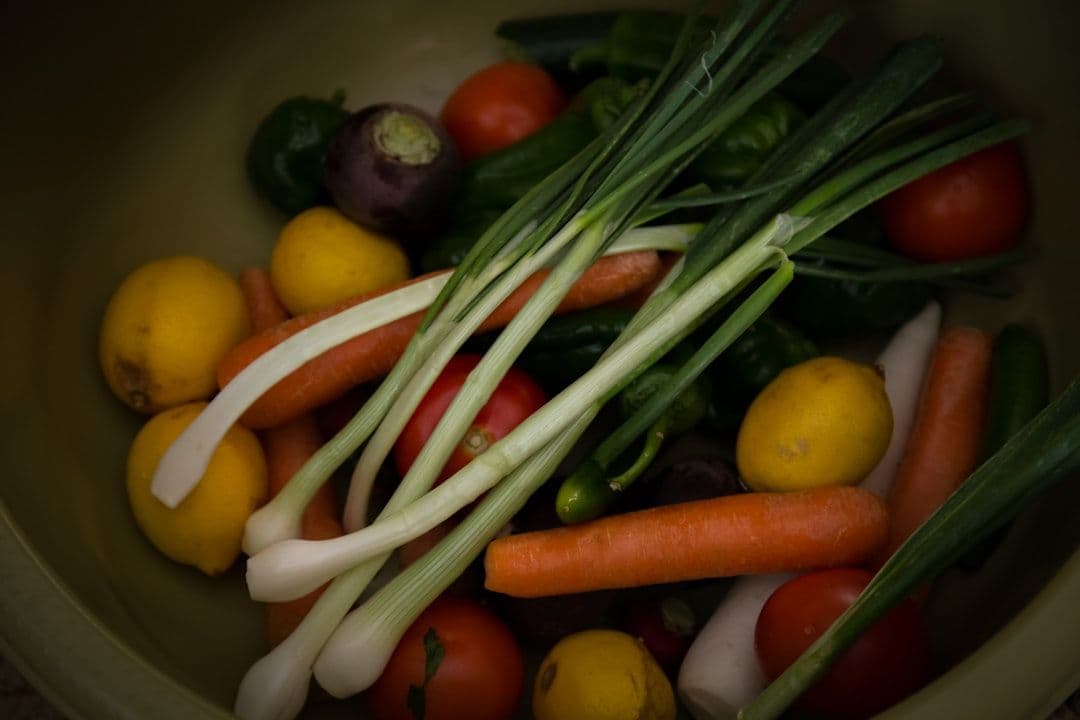
What it is
A whole-foods approach that favors colorful produce, healthy fats, and fiber over ultra-processed foods.
An anti-inflammatory diet emphasizes whole, minimally processed foods—especially fruits, vegetables, whole grains, legumes, nuts, and uns...
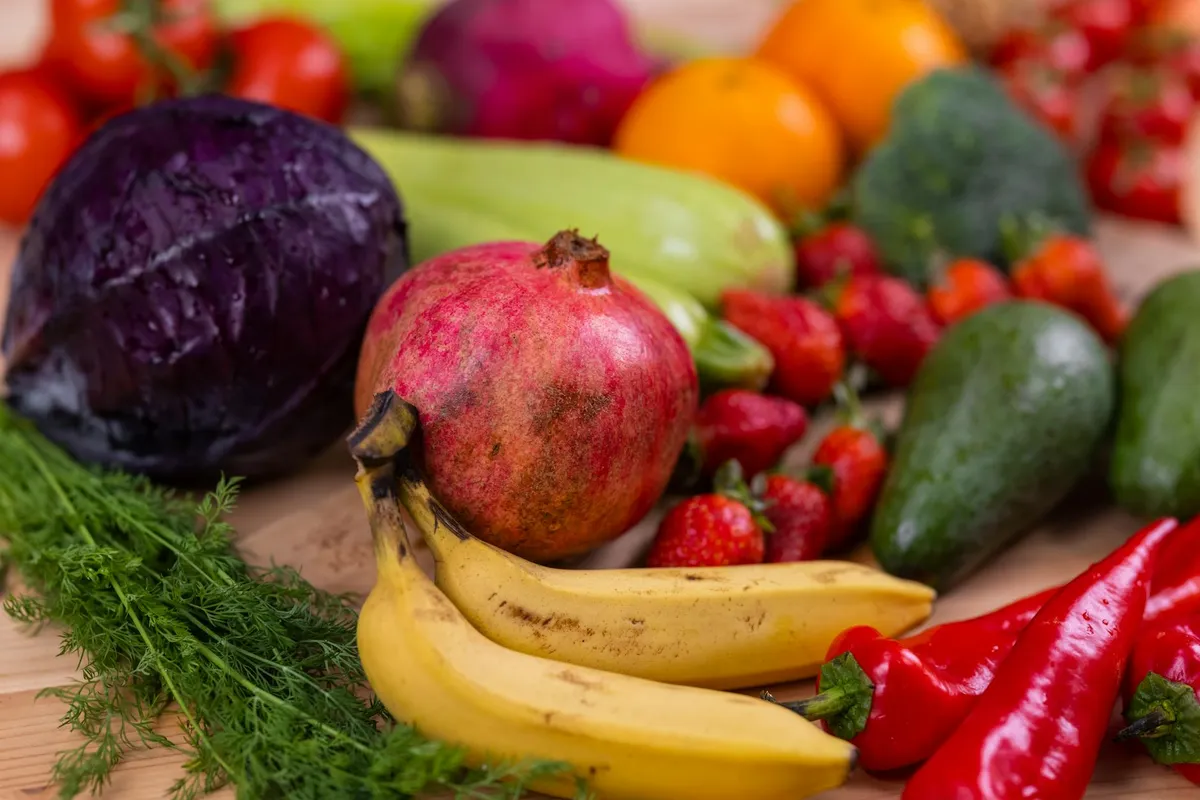
At a glance
What it is
A whole-foods approach that favors colorful produce, healthy fats, and fiber over ultra-processed foods.
Why explore it
It may support heart health, reduce chronic pain, and improve your overall sense of wellbeing.
How it’s experienced
You live it daily — swapping refined grains, adding fish and legumes, and loading up on vegetables.
Evidence context
Mediterranean-style eating shows promising links to lower inflammation, though individual results vary.
See the evidence snapshotSafety
Low-risk for most adults, but check with a clinician if you have kidney disease or are pregnant.
See staying safeHistory & Origin
The Anti-Inflammatory Diet emphasizes whole foods rich in antioxidants and omega-3 fatty acids to reduce inflammation, alleviate pain, and support overall health and well-being.
The concept draws on nutrition epidemiology and clinical research linking dietary patterns (e.g., Mediterranean-style eating) with inflammatory biomarkers and long-term cardiometabolic outcomes.
Mechanism
Anti-Inflammatory Diet is usually understood through daily choices, patterns, and gradual behavior change rather than a single session effect. Practitioners may focus on food quality, timing, preparation, symptoms, preferences, culture, and sustainability. Some approaches are tradition-based, while others draw on nutrition science or clinical guidelines. Recommendations should be individualized, especially when medical conditions, pregnancy, medications, or restrictive eating patterns are involved. The diet reduces systemic inflammation by prioritising nutrient-dense whole foods—particularly those high in polyphenols, omega-3 fatty acids, and fiber—while limiting refined carbohydrates, ultra-processed foods, and saturated fats that promote inflammatory pathways.
Your first visit
A typical session outline to help you feel prepared
Your session blends a friendly health conversation with practical, food-focused guidance to help you reduce inflammation through everyday eating choices.
Your coach greets you and reviews a brief intake form covering your health history, current symptoms, medications, and any known food sensitivities or allergies.
Together you explore signs that inflammation may be playing a role in how you feel, such as joint discomfort, fatigue, skin issues, or digestive patterns, to help tailor your plan.
Your coach walks through what you typically eat in a day, noting foods known to promote inflammation like refined sugars, processed oils, and ultra-processed snacks that may be worth reducing.
You receive a clear breakdown of foods shown to support lower inflammation, including fatty fish, leafy greens, berries, olive oil, nuts, and spices like turmeric and ginger.
Your coach offers simple, realistic substitutions tailored to your lifestyle, like swapping vegetable oil for olive oil or white rice for quinoa, so changes feel manageable rather than overwhelming.
You work through a sample weekly meal framework, including tips on grocery shopping, batch cooking, and portioning anti-inflammatory ingredients into balanced, satisfying meals.
Your coach introduces a simple tracking method so you can notice connections between what you eat and how you feel over the coming days or weeks.
The session closes with a personalized action list, recommended resources, and guidance on when to follow up, so you leave with a clear, confident path forward.
The Evidence
What research says about anti-inflammatory dietary patterns, where evidence is strongest, and what remains uncertain.
Meaningful research base, strongest for cardiometabolic health
Anti-inflammatory dietary patterns — particularly Mediterranean-style eating — have a meaningful research base linking them to reduced inflammatory markers and cardiometabolic risk. Effects on symptom outcomes vary by condition, individual, and study design.
The most consistent findings come from Mediterranean-style dietary patterns, which are associated with lower C-reactive protein and reduced cardiovascular risk factors. Evidence for effects on specific conditions such as type 2 diabetes and metabolic syndrome is also reasonably well-supported. Symptom-level outcomes are more variable and depend heavily on the condition studied.
Studies frequently measure C-reactive protein, interleukin-6, and similar markers, where dietary pattern effects are detectable over weeks to months. Translating these biomarker changes into meaningful symptom relief is less straightforward — individual responses differ, and study designs vary considerably. This gap between measurable markers and lived experience is worth understanding.
Research consistently shows that the overall dietary pattern matters more than any individual food or nutrient. Prioritising fiber, polyphenols, and omega-3 fatty acids while reducing ultra-processed foods and refined carbohydrates works as an integrated approach. Isolated supplements marketed with anti-inflammatory claims are not equivalent and should be evaluated separately for evidence and safety.
Most trials are short to medium term, making long-term outcome data limited. Research populations have historically skewed toward specific demographics, so findings may not apply equally across all groups. Effects on autoimmune and chronic pain conditions show early promise but require more robust evidence before strong conclusions can be drawn.
For most people, shifting toward whole foods and reducing ultra-processed intake carries low risk. Those with kidney disease, eating disorder histories, pregnancy, or complex medical dietary requirements should consult a qualified clinician before making significant changes. Supplements positioned as anti-inflammatory vary widely in quality, evidence, and potential interactions — professional evaluation is advisable.
General dietary quality improvements are accessible to most people independently. However, if you have a diagnosed condition, take medications, or have specific health goals, working with a registered dietitian or relevant clinician ensures guidance is appropriate for your situation. Anti-inflammatory eating supports overall health but is not a substitute for professional assessment or management of underlying conditions.
Safety first
General guidance to help you decide whether this approach is appropriate for you. This is informational only and not a substitute for medical, psychological, or professional advice.
Some situations call for extra care or a different approach. Share any conditions, injuries, or sensitivities with your practitioner before your first session.
If you are pregnant, managing a health condition, recovering from injury or surgery, or taking medication, consult a qualified healthcare professional first.
Look for clear boundaries, transparent pricing, and practitioners who avoid fear-based claims or pressure to book frequent sessions.
Mild, short-lived effects such as tenderness, tiredness, or temporary soreness can occur. Rest, hydrate, and tell your practitioner how you respond.
For you?
A simple, human way to weigh it up. This is general guidance, not personal medical advice — a qualified practitioner can advise on your situation.
Gyfts is a discovery platform, not a medical provider. Nothing here diagnoses, treats or replaces professional care. In an emergency, contact your local emergency number.
Explore approaches
Other practices people often explore alongside anti-inflammatory diet.
In their words
FAQ
The term usually describes a dietary pattern (often Mediterranean/DASH-like) rather than one standardized protocol; specific food choices are individualized.
Diet can support health but should not replace prescribed treatments without clinician guidance, especially for inflammatory diseases.
The anti-inflammatory diet emphasises foods that reduce systemic inflammation: fatty fish (omega-3), colourful vegetables, fruits, olive oil, nuts, legumes, and whole grains, while minimising processed foods, refined carbohydrates, sugar, trans fats, and excess alcohol. It is most closely aligned with the Mediterranean diet, which has the strongest evidence base of any dietary pattern — associated with reduced risk of cardiovascular disease, type 2 diabetes, certain cancers, depression, and neurodegenerative conditions. Multiple systematic reviews confirm that this dietary pattern measurably reduces inflammatory biomarkers including CRP, IL-6, and TNF-alpha.
The strongest evidence for dietary anti-inflammatory intervention exists for: rheumatoid arthritis (Mediterranean diet reduces disease activity), inflammatory bowel disease (specific carbohydrate diet, low-FODMAP, and anti-inflammatory approaches show benefit), cardiovascular disease (omega-3, Mediterranean diet), type 2 diabetes (blood sugar stabilisation reduces systemic inflammation), and non-alcoholic fatty liver disease. Emerging evidence supports dietary intervention for depression (the gut-brain-inflammation axis), psoriasis, and MS. The effect size varies — dietary change is an important adjunct but rarely replaces medical management for active inflammatory disease.
Dietary change is the foundation — whole food anti-inflammatory eating creates a broader, more sustained systemic effect than isolated supplements. That said, targeted supplementation has evidence in specific contexts: omega-3 fish oil has moderate-to-strong evidence for reducing inflammatory markers and improving outcomes in rheumatoid arthritis, cardiovascular disease, and depression. Curcumin (from turmeric) has moderate evidence for CRP reduction and joint pain. Vitamin D deficiency is associated with increased inflammatory markers — supplementation in confirmed deficiency is well-supported. High-dose anti-inflammatory supplements should be discussed with a practitioner, as some interact with medications.
References
Educational sources that inform this overview. Inclusion is for context and does not imply endorsement.
Full citations are maintained by the Gyfts editorial team and reviewed periodically.
Keep exploring
Browse practitioners, explore honest overviews, and take what you learn to a conversation — at your own pace.