What It Is
Excess melanin causes darker patches or spots on skin, often from sun, hormones, or inflammation
Understanding what's behind your skin's darker patches
At a glance
What It Is
Excess melanin causes darker patches or spots on skin, often from sun, hormones, or inflammation
How It Presents
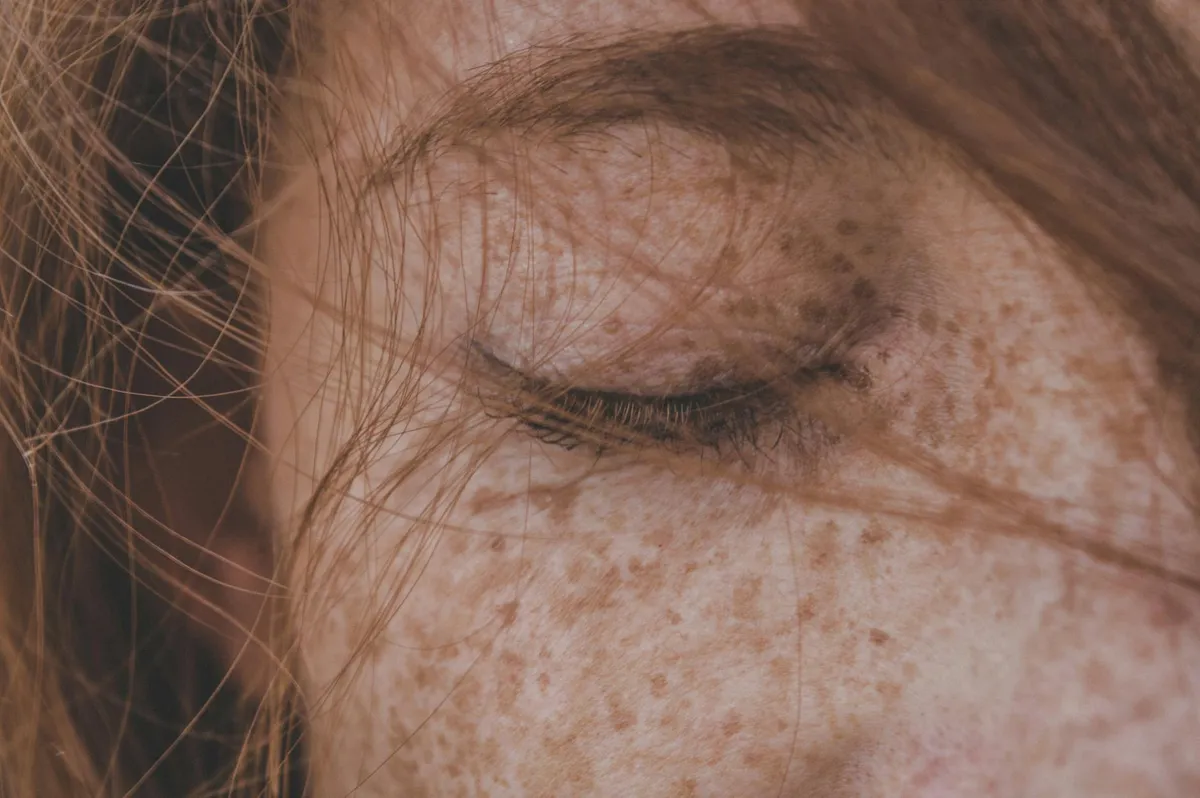
Flat dark patches on face, hands, or sun-exposed areas; may follow acne, pregnancy, or skin injury
What May Help
Sun protection, topical ingredients, and lifestyle approaches are commonly explored for skin tone support
Evidence Context
Research is emerging; some ingredients show early promise but results vary widely between individuals
See the evidence snapshotWhen to Seek Help
See a dermatologist if patches spread rapidly, change texture, or appear alongside unexplained symptoms
Explanation
Hyperpigmentation describes darkened patches of skin caused by excess melanin production, triggered by sun exposure, hormonal changes, inflammation, or post-acne marks. Nutritional therapy, stress management, topical naturals, and sun protection form the holistic approach alongside dermatological treatments.
Could this be you
Hyperpigmentation shows up differently for everyone. Browse by how it tends to be felt — these are common experiences, not a checklist or a diagnosis.
Common experiences people describe — not a diagnostic checklist.
Why it happens
Hyperpigmentation usually comes from a mix of factors rather than a single cause. These are common contributors — not certainties.
Genetic factors and melanin overproduction may make some skin tones more prone to hyperpigmentation.
Chronic stress may trigger hormonal shifts that stimulate excess melanin, worsening dark patches.
Hormonal changes, inflammation, and skin barrier disruption may each contribute to uneven pigmentation.
Poor sleep may elevate cortisol, which some practitioners suggest can worsen melanin irregularities.
What happens in the body
Hyperpigmentation can involve several of the body’s systems. These are common patterns researchers describe — how they show up varies from person to person.
Melanocytes may overproduce melanin in response to UV exposure, inflammation, or hormonal signals, causing pigment to accumulate unevenly in the skin.
Hormonal shifts, such as those during pregnancy or with oral contraceptive use, may stimulate melanocyte-stimulating hormone activity, potentially worsening pigmentation patterns like melasma.
Post-inflammatory hyperpigmentation may occur when skin injury or chronic inflammation triggers melanocyte activation as part of the skin's repair response.
Chronic psychological stress may elevate cortisol and related neuropeptides that could influence melanocyte behavior, potentially contributing to uneven pigmentation over time.
Process
Management
A dermatologist may discuss prescription or over-the-counter ingredients such as hydroquinone, azelaic acid, or kojic acid, which are commonly used to address uneven pigmentation over time.
Topical retinoids, available by prescription or in lower-strength OTC formulas, are often discussed by dermatologists as an option that may support skin cell turnover and the gradual fading of dark spots.
In-clinic procedures such as glycolic acid peels or laser treatments are professional options some people explore for more pronounced hyperpigmentation, particularly melasma or post-inflammatory marks.
Daily use of SPF 30 or higher is widely considered a foundational step, as UV exposure can deepen existing pigmentation and slow the effectiveness of other approaches.
Some people find that topical vitamin C serums or plant-based extracts such as niacinamide and licorice root may support a more even skin tone over consistent, long-term use.
Self-Care
Sun exposure is a key driver of excess melanin. Applying sunscreen every morning, even on cloudy days, may support a more even skin tone over time.
Some people find that using mild, fragrance-free cleansers and avoiding harsh scrubs helps reduce post-inflammatory darkening and skin barrier stress.
Foods rich in antioxidants, such as leafy greens, berries, and omega-3 sources, may support overall skin health and could help moderate inflammation linked to pigmentation changes.
Chronic stress may influence hormonal balance and skin inflammation. Practices like breathwork, walking, or journaling are options some people find helpful for overall skin wellbeing.
Keeping a simple log of flare-ups alongside products, foods, or habits may help you spot patterns. Avoiding known irritants may reduce inflammation that contributes to dark spots.
The Evidence
What research and clinical practice currently suggest about hyperpigmentation and the approaches people use to support skin health.
Conventional care leads; lifestyle and complementary support is growing
Dermatological treatments for hyperpigmentation have the strongest evidence base. Lifestyle strategies and complementary approaches show emerging support for overall skin health, and are best used alongside professional care rather than as a standalone path.
Topical agents, sun protection, and dermatologist-guided care have the most robust evidence for managing hyperpigmentation. Nutritional strategies and some herbal approaches have emerging research suggesting they may support skin health, but study quality and consistency vary. Most complementary evidence is preliminary and should be interpreted cautiously.
Hyperpigmentation has several distinct subtypes — including melasma, post-inflammatory, and sun-induced — each with different drivers and responses to treatment. A dermatologist or qualified skin clinician can assess skin type, identify contributing factors, and recommend evidence-based options. Self-managing without professional input may delay effective care or worsen certain presentations.
Nutritional therapy focusing on antioxidant-rich foods and micronutrients such as vitamin C may support skin barrier function and melanin regulation, though direct evidence for hyperpigmentation is limited. Acupuncture and herbal medicine are used in some integrative skin care contexts, but high-quality clinical trials are sparse. These approaches are best considered supportive rather than primary.
Consistent broad-spectrum sun protection is one of the most evidence-supported steps for preventing pigmentation from worsening. Chronic stress may influence hormonal pathways linked to melanocyte activity, making stress reduction a reasonable supportive strategy. Dietary balance and anti-inflammatory eating patterns are often recommended, though direct evidence specific to hyperpigmentation remains emerging.
A rapidly changing mole, spreading skin infection, fever alongside skin changes, or a persistent unexplained ulcer should be assessed by a medical professional without delay. Severe facial swelling or any skin change that appears suddenly and worsens quickly also warrants prompt attention. Hyperpigmentation alone is rarely urgent, but ruling out other causes is important.
If exploring complementary approaches, informing your dermatologist or GP helps ensure nothing interferes with existing skin care routines or topical medications. Qualified nutritional therapists, naturopaths, or traditional Chinese medicine practitioners with skin experience can offer supportive strategies. Avoid inflated outcome claims from any practitioner — no complementary approach is a substitute for professional skin assessment.
Safety first
Hyperpigmentation is manageable, and support helps. Some situations call for prompt professional help.
Explore approaches
Practices people explore for hyperpigmentation — alongside professional care.
FAQ
Excess melanin production is the core driver. Common triggers include UV exposure, hormonal shifts like pregnancy, post-acne inflammation, and certain medications. Identifying your trigger may help guide the most relevant support.
Some practitioners suggest that antioxidant-rich foods and adequate vitamin C intake may support more even skin tone over time. Evidence is emerging rather than conclusive, but a nutrient-dense diet is broadly considered beneficial for skin health.
Ingredients like niacinamide, azelaic acid, and licorice root extract are traditionally used to support a more even complexion. Some people find gradual improvement with consistent use, though results vary and effects tend to be slow.
Consult a dermatologist if patches change in size or shape, appear suddenly, feel raised or textured, or if over-the-counter approaches have not helped after several months. Do not stop prescribed treatments without professional guidance.
Chronic stress may influence hormone levels that affect melanin production. Some people find that stress management practices like sleep prioritisation and relaxation techniques support overall skin appearance alongside other approaches.
Keep exploring
Browse practitioners, explore honest overviews, and take what you learn to a conversation — at your own pace.