What It Is
Hypogonadism occurs when the testes or ovaries produce insufficient sex hormones, affecting many body systems.
Understanding why your hormones may not be doing their job
At a glance
What It Is
Hypogonadism occurs when the testes or ovaries produce insufficient sex hormones, affecting many body systems.
How It Presents
Low libido, fatigue, mood changes, reduced muscle, irregular periods, and bone loss are commonly reported.
What May Help
Hormone therapy, lifestyle support, and certain peptide approaches are commonly explored alongside medical care.
Evidence Context
Research on hormone replacement is moderate to strong; complementary approaches have more limited evidence.
See the evidence snapshotWhen to Seek Help
Medical evaluation is essential, especially if fertility, bone health, or daily functioning are affected.
Explanation
Hypogonadism is an endocrine condition in which the testes or ovaries produce insufficient sex hormones. In males, this often means reduced testosterone and sometimes impaired sperm production. In females, reduced estrogen and progesterone may affect ovulation and menstrual function. Symptoms may include low libido, fatigue, mood changes, reduced muscle mass, or low bone density. Primary hypogonadism originates in the gonads; secondary hypogonadism involves disrupted signaling from the hypothalamus or pituitary. Causes include genetic conditions, autoimmune disorders, injury, or chronic illness. Diagnosis requires medical assessment and hormone testing. Treatment may include hormone replacement or addressing underlying causes.
Could this be you
Hypogonadism shows up differently for everyone. Browse by how it tends to be felt — these are common experiences, not a checklist or a diagnosis.
Common experiences people describe — not a diagnostic checklist.
Why it happens
Hypogonadism usually comes from a mix of factors rather than a single cause. These are common contributors — not certainties.
Genetic conditions, aging, and pituitary or testicular disorders may reduce the body's ability to produce adequate sex hormones.
Chronic stress may suppress hormonal signaling, contributing to lower sex hormone output over time.
Metabolic conditions, obesity, and nutritional gaps are linked to disrupted hormone production.
Poor or insufficient sleep may impair the hormonal cycles that regulate sex hormone release nightly.
What happens in the body
Hypogonadism can involve several of the body’s systems. These are common patterns researchers describe — how they show up varies from person to person.
The testes or ovaries may produce insufficient sex hormones, or disrupted hypothalamic-pituitary signaling may fail to adequately stimulate gonadal hormone output.
Reduced sex hormone levels may alter neurotransmitter activity in mood and motivation pathways, potentially contributing to fatigue, low drive, and emotional changes.
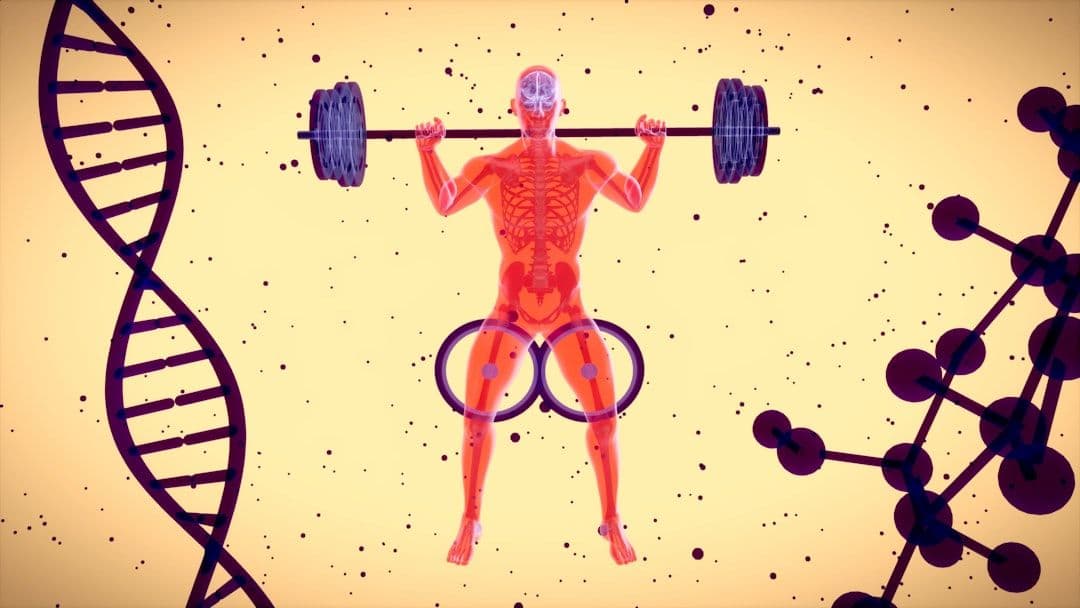
Sex hormones support muscle protein synthesis and bone mineral density, so chronically low levels may contribute to reduced muscle mass and increased bone fragility over time.
Low sex hormone levels may be associated with shifts in body composition, insulin sensitivity, and lipid profiles, which can influence broader metabolic function.
Process
Management
A doctor may discuss testosterone or estrogen replacement to help restore sex hormone levels; this is often a primary conventional approach evaluated through blood work and clinical assessment
For men with confirmed low testosterone, TRT in various forms such as gels, injections, or patches may support energy, mood, libido, and muscle mass when medically supervised
Some practitioners suggest certain peptides may support the body's own hormonal signaling pathways; this is an emerging area and professional guidance is important before exploring it
Addressing nutritional deficiencies, maintaining a healthy body composition, and regular resistance exercise are areas some people find supportive alongside medical care for low hormone levels
Chronic stress and poor sleep are known contributors to hormonal disruption; some people find that structured stress management and sleep hygiene practices may support overall hormonal balance as part of a broader plan
Self-Care
Regular weight-bearing exercise may support healthy testosterone and estrogen levels; some people find consistent strength work also helps preserve muscle mass and bone density affected by low hormone output
Hormones including testosterone are largely produced during deep sleep; some practitioners suggest prioritizing seven to nine hours of uninterrupted sleep may help support the body's natural hormone rhythms
A diet rich in zinc, vitamin D, healthy fats, and adequate calories may support sex hormone production; nutritional deficiencies are commonly linked to reduced gonadal function in both men and women
Elevated cortisol from ongoing stress may suppress sex hormone output; mindful breathing, relaxation practices, and structured downtime are approaches some people find helpful for supporting hormonal balance
Both very low body fat and excess adipose tissue can disrupt sex hormone levels; some practitioners suggest that gradual, sustainable changes to body composition may support more stable hormonal function over time
The Evidence
What the research says about hypogonadism, its management, and where complementary approaches may offer additional support.
A well-characterised condition with established medical pathways
Hypogonadism is a recognised endocrine condition with clear diagnostic criteria and evidence-based medical management. Lifestyle and complementary approaches show emerging evidence for symptom support alongside conventional care, but do not replace professional assessment.
Hormone testing and medical management of hypogonadism are grounded in established endocrinology research. Lifestyle factors including resistance exercise, adequate nutrition, and sleep have moderate evidence for supporting hormonal balance. Complementary approaches such as acupuncture and nutritional therapy show early-stage evidence for symptom support, but robust clinical trials remain limited.
Primary and secondary hypogonadism have distinct causes and require different approaches. Medical assessment typically involves blood hormone testing and may include imaging or genetic evaluation. Care approaches may include hormonal support therapies or addressing an underlying condition. Self-managing without professional assessment carries meaningful risk, particularly for bone health and fertility outcomes.
Nutritional therapy, acupuncture, and mindfulness have emerging evidence for supporting symptoms commonly associated with low sex hormones, including fatigue, low mood, reduced libido, and changes in body composition. For hypogonadism specifically, these approaches are best understood as adjuncts to medical care rather than standalone interventions. Evidence quality varies across modalities, and a qualified practitioner can help identify what may be appropriate for your situation.
Resistance training is among the better-evidenced lifestyle factors for supporting testosterone and muscle mass. Adequate dietary fat, zinc, and vitamin D intake are associated with hormonal function. Chronic stress and poor sleep can suppress hypothalamic-pituitary signalling, potentially worsening symptoms. These factors are worth discussing with a healthcare provider as part of a broader management plan.
Seek urgent assessment if you experience sudden severe headache with visual disturbance or eye movement problems, which may indicate pituitary apoplexy. Severe bone pain or a low-impact fracture warrants prompt evaluation given hypogonadism's effect on bone density. Signs of adrenal insufficiency — such as profound weakness, dizziness, or collapse — also require emergency care. Do not stop prescribed hormonal medications without medical guidance.
Hypogonadism is underdiagnosed, and many people spend years attributing symptoms to ageing or stress. If you suspect a hormonal issue, a GP or endocrinologist is the appropriate first point of contact. Complementary practitioners working in this area should be informed of any medical management in place. Transparent communication across your care team helps avoid interactions and ensures approaches are appropriately tailored.
Safety first
Hypogonadism is manageable, and support helps. Some situations call for prompt professional help.
Explore approaches
Practices people explore for hypogonadism — alongside professional care.
FAQ
Primary involves the gonads not producing enough hormones. Secondary stems from pituitary or hypothalamus signaling issues. Both require medical evaluation to distinguish and address appropriately.
Not exactly. While hormones decline with age, hypogonadism involves levels below what is expected. A blood test with a doctor can clarify whether levels warrant investigation or treatment.
If fatigue, low libido, mood shifts, or irregular periods persist or worsen, a doctor can order hormone testing. Early assessment may help prevent longer-term effects on bone and metabolic health.
Some people find that quality sleep, resistance exercise, and balanced nutrition may support hormonal balance. These are not substitutes for medical care but may complement it meaningfully.
Some practitioners suggest stress reduction, nutrient-dense eating, and limiting alcohol. Evidence is limited, but these lifestyle factors may support overall wellbeing during medical management.
Keep exploring
Browse practitioners, explore honest overviews, and take what you learn to a conversation — at your own pace.