What It Is
A progressive neurological condition involving gradual loss of dopamine-producing brain cells
Understanding Parkinson's and exploring what may help
At a glance
What It Is
A progressive neurological condition involving gradual loss of dopamine-producing brain cells
How It Presents
Resting tremor, muscle stiffness, slowed movement, balance changes, and quieter speech
What May Help
Exercise, movement therapies, nutrition, sleep support, and stress reduction are commonly explored
Evidence Context
Strong evidence supports exercise and movement-based approaches as meaningful complements to medical care
See the evidence snapshotWhen to Seek Help
Consult a neurologist if symptoms worsen, interfere with daily life, or new changes appear suddenly
Explanation
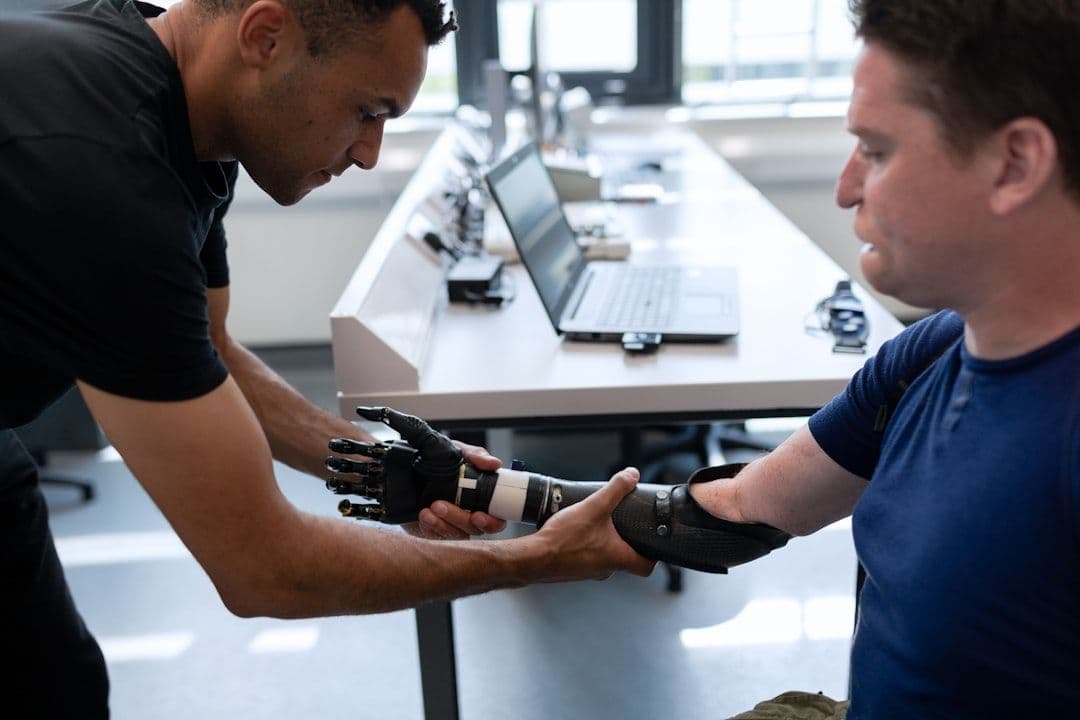
Parkinson's disease is a progressive neurological condition affecting movement, balance, and motor control, caused by the gradual loss of dopamine-producing neurons. It commonly presents with tremors, slowed movement, muscle stiffness, and balance or gait changes, and its course and symptoms vary widely between individuals. Diagnosis and medical management belong with a neurologist. Alongside conventional neurological care, some people explore complementary approaches — including physiotherapy-guided movement, tai chi and yoga-based practice for balance and flexibility, mindfulness for stress and quality of life, and nutritional support in coordination with a dietitian (including timing of protein intake relative to levodopa medication, where relevant). These approaches are intended to support daily function and wellbeing, not to replace prescribed neurological treatment.
Could this be you
Parkinson disease shows up differently for everyone. Browse by how it tends to be felt — these are common experiences, not a checklist or a diagnosis.
Common experiences people describe — not a diagnostic checklist.
Why it happens
Parkinson disease usually comes from a mix of factors rather than a single cause. These are common contributors — not certainties.
Genetic variants and aging-related dopamine cell loss may raise Parkinson's risk.
Chronic stress and neuroinflammation may accelerate dopamine neuron vulnerability.
Head injuries and pesticide exposure are associated with higher Parkinson's risk.
REM sleep behavior disorder may appear years before motor symptoms develop.
What happens in the body
Parkinson disease can involve several of the body’s systems. These are common patterns researchers describe — how they show up varies from person to person.
Neurons in the substantia nigra that produce dopamine gradually die off, reducing the brain's ability to coordinate smooth, controlled movement.
Reduced dopamine signaling disrupts the basal ganglia's regulation of muscle tone, leading to rigidity, slowness, and postural instability over time.
Nerve cell loss may extend beyond motor pathways, potentially affecting autonomic functions such as sleep regulation, digestion, and cardiovascular response.
Chronic activation of brain immune cells may contribute to ongoing neuronal stress and the progressive spread of cellular damage in affected brain regions.
Process
Management
A neurologist may discuss levodopa or dopamine agonists to help manage motor symptoms — these are the most established pharmacological tools in Parkinson care.
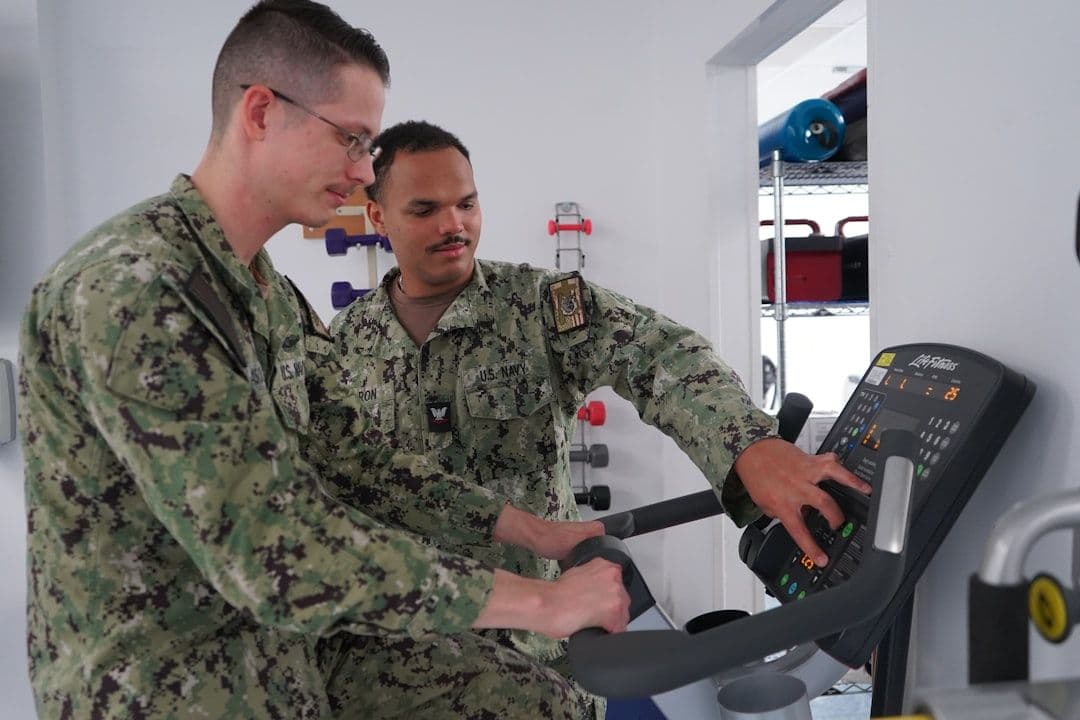
Structured physical therapy, including programs like LSVT BIG, may support mobility, balance, and functional movement in people with Parkinson disease.
Some people find speech therapy, such as LSVT LOUD, helpful for addressing the quieter, more monotone voice changes that often develop over time.
Regular aerobic exercise and mind-body movement practices like tai chi may support balance, coordination, and overall quality of life alongside conventional care.
Some practitioners suggest mindfulness-based practices may help with mood, sleep quality, and the emotional dimensions of living with a progressive neurological condition.
Self-Care
Regular walking, stretching, or tai chi may support mobility and balance. Many people with Parkinson's find structured movement helps reduce stiffness over time.
Going to bed and waking at the same time each day may support rest. Some people find a calming pre-sleep routine helps manage fatigue and nighttime restlessness.
A diet rich in vegetables, fiber, and lean proteins may support overall brain and body health. Some practitioners suggest staying well hydrated to aid medication absorption.
Puzzles, reading, music, and social connection may support mental engagement. Some people find regular stimulating activities help maintain mood and cognitive vitality.
Mindfulness, slow breathing, or gentle yoga may help manage stress. Some people with Parkinson's find relaxation practices support emotional balance and overall wellbeing.
The Evidence
What research and clinical practice currently say about Parkinson's disease and the approaches used alongside neurological care.
A well-researched condition with growing support for complementary care
Parkinson's disease is extensively studied, with established neurological management and a growing body of evidence supporting physical, rehabilitative, and mind-body approaches as meaningful additions to conventional care.
The neuroscience of Parkinson's disease is well understood, with strong evidence for pharmacological and surgical management. Physical activity and physiotherapy have moderate evidence for improving motor function and quality of life. Mind-body practices such as tai chi and yoga show promising early results for balance and mobility, though larger trials are still needed.
Neurologists typically lead Parkinson's care, with physiotherapy, occupational therapy, and speech pathology contributing to functional maintenance. Medication management is central and should never be adjusted without specialist guidance. Complementary approaches are most effective when integrated alongside — not instead of — established neurological care.
Tai chi, yoga, and therapeutic movement practices have evidence for improving balance and reducing fall risk. Acupuncture and mindfulness-based approaches are used for symptom support and wellbeing, with limited but growing evidence. These approaches work best as part of a coordinated care plan and are not substitutes for professional neurological assessment or management.
Sudden severe confusion, loss of consciousness, new seizure activity, or sudden inability to swallow require emergency evaluation. Uncontrolled falls with injury should be assessed promptly. Parkinson's medications must never be stopped abruptly — doing so can cause serious and rapid deterioration. Always consult a neurologist before making any changes to medication.
While physical and mind-body approaches show meaningful benefits in some studies, many trials are small, short in duration, or lack standardised outcome measures. Evidence for approaches such as acupuncture and neurofeedback in Parkinson's remains preliminary. Practitioners and individuals should weigh available evidence carefully and avoid inflated outcome claims.
People living with Parkinson's benefit most from a multidisciplinary approach that includes neurological oversight, physiotherapy, and allied health support. Complementary modalities can be meaningfully integrated when chosen with practitioner guidance. Sharing all approaches with your neurologist helps ensure safety and coordination across your care team.
Safety first
Parkinson disease is manageable, and support helps. Some situations call for prompt professional help.
Explore approaches
Practices people explore for parkinson disease — alongside professional care.
FAQ
Many people describe a sense of the body moving more slowly or stiffly than intended. Fatigue, sleep disruption, and mood shifts are also common alongside the more visible motor changes.
Research suggests regular aerobic exercise and balance-focused movement practices such as tai chi or dance may support motor function and quality of life. Many people living with Parkinson's find structured movement programs genuinely helpful alongside medical treatment.
Some practitioners suggest an anti-inflammatory, fiber-rich diet may support overall wellbeing. Protein timing relative to levodopa medication is worth discussing with your care team, as it can affect how the medication works.
If tremor, stiffness, or balance difficulties are affecting daily functioning, a neurologist evaluation is important. Never adjust or stop prescribed Parkinson's medications without medical supervision.
No. Many people experience non-motor symptoms including sleep disruption, depression, anxiety, constipation, and changes in smell. These deserve attention and can often be supported alongside motor-focused care.
Keep exploring
Browse practitioners, explore honest overviews, and take what you learn to a conversation — at your own pace.