What It Is
PCOS is a hormonal condition causing irregular ovulation, elevated androgens, and often ovarian cysts
Understanding your body when PCOS makes things complicated
At a glance
What It Is
PCOS is a hormonal condition causing irregular ovulation, elevated androgens, and often ovarian cysts
How It Presents
Irregular or absent periods, acne, excess hair growth, thinning hair, and weight changes are common
What May Help
Lifestyle changes, stress support, and some nutritional approaches are commonly explored alongside medical care
Evidence Context
Research on PCOS is active and growing, with moderate evidence supporting several lifestyle and dietary strategies
See the evidence snapshotWhen to Seek Help
See a doctor if periods are absent, fertility is affected, or symptoms like pelvic pain are severe or worsening
Explanation
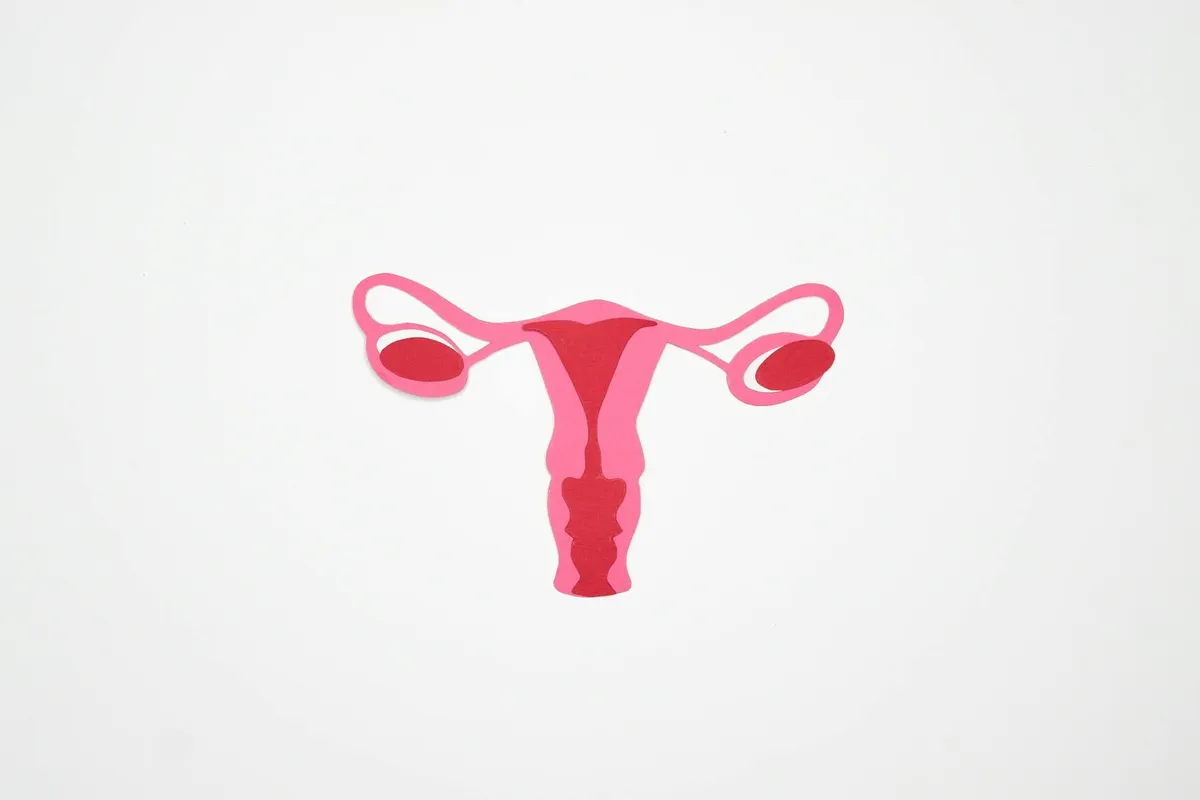
Polycystic ovary syndrome is a common hormonal disorder affecting women of reproductive age, characterized by irregular menstrual cycles, elevated androgen levels, and the presence of multiple small follicles on the ovaries. It is one of the leading causes of irregular periods and difficulty conceiving, and may also be associated with metabolic changes such as insulin resistance. Symptoms can vary widely and may include acne, excess hair growth, weight changes, and mood shifts. A personalized approach combining medical evaluation with lifestyle support is generally recommended.
Could this be you
Polycystic ovary syndrome shows up differently for everyone. Browse by how it tends to be felt — these are common experiences, not a checklist or a diagnosis.
Common experiences people describe — not a diagnostic checklist.
Why it happens
Polycystic ovary syndrome usually comes from a mix of factors rather than a single cause. These are common contributors — not certainties.
Genetic factors and insulin resistance may contribute to the hormonal imbalances seen in PCOS.
Chronic stress may elevate cortisol levels, which some practitioners suggest can worsen hormonal disruption in PCOS.
Metabolic dysfunction and inflammation may amplify PCOS symptoms like irregular cycles and weight changes.
Sleep disruption may affect hormone regulation, which some people with PCOS find worsens their symptoms.
What happens in the body
Polycystic ovary syndrome can involve several of the body’s systems. These are common patterns researchers describe — how they show up varies from person to person.
The pituitary may release imbalanced LH and FSH signals, which can disrupt ovulation and drive excess androgen production in the ovaries.
Cells may respond poorly to insulin, prompting the pancreas to produce more, which can further stimulate androgen release and disrupt follicle development.
Elevated androgens may stall follicle maturation mid-cycle, leaving multiple small cysts on the ovaries and causing irregular or absent menstrual periods.
Chronic stress may elevate cortisol and adrenal androgens, which can compound hormonal imbalances and potentially worsen cycle irregularity over time.
Process
Management
A doctor may discuss combined oral contraceptives to help regulate menstrual cycles and may support management of acne and excess hair growth associated with PCOS.
Medications such as metformin are sometimes discussed by clinicians to help address insulin resistance, which many people with PCOS experience alongside hormonal imbalance.
Some practitioners suggest a low-glycemic, nutrient-dense eating approach may support more stable insulin levels and hormonal balance in people with PCOS.
Some people explore bioidentical hormone approaches with a qualified provider as a complementary option; evidence varies and professional guidance is strongly recommended.
Modest, sustainable adjustments to caloric intake, guided by a nutrition professional, may support healthy body composition, which some practitioners link to improved hormonal regulation in PCOS.
Self-Care
A diet rich in fiber, lean protein, and low-glycemic carbohydrates may support more stable insulin levels, which some practitioners suggest is relevant to managing hormonal fluctuations in PCOS.
Regular moderate exercise such as walking, cycling, or strength training may support insulin sensitivity and healthy body composition, which some people with PCOS find helpful for cycle regularity.
Going to bed and waking at consistent times and aiming for seven to nine hours may support hormonal balance, as sleep disruption is commonly linked to metabolic and hormonal challenges in PCOS.
Mindful breathing, yoga, or other relaxation practices may help moderate cortisol levels, which some practitioners suggest can influence androgen activity and symptom patterns in PCOS.
Drinking adequate water consistently throughout the day may support metabolism and digestion, and some people find it helps with skin clarity and energy, both commonly affected by PCOS.
The Evidence
What research and clinical practice currently suggest about supporting hormonal and metabolic health in polycystic ovary syndrome.
Lifestyle and complementary support show meaningful promise for PCOS
PCOS is well-studied as a hormonal and metabolic condition, with moderate evidence supporting lifestyle interventions and emerging evidence for select complementary approaches. A personalised plan combining medical evaluation with lifestyle support is broadly recommended.
Nutrition, physical activity, and weight management have moderate-to-strong evidence for improving hormonal markers and menstrual regularity in PCOS. Complementary approaches such as acupuncture and nutritional therapy have emerging but limited evidence. Most studies are small or short-term, so findings should be interpreted with appropriate caution.
Clinically, PCOS is characterised by irregular ovulation, elevated androgens, and often insulin resistance. Medical evaluation typically includes hormone panels, ultrasound, and metabolic screening. Conventional management may involve hormonal support, insulin-sensitising agents, or fertility-related care depending on individual goals and presentation.
Acupuncture, mindfulness, and nutritional therapy are among the most commonly explored complementary options for PCOS. Evidence is emerging rather than definitive, and these approaches are best understood as supportive rather than standalone. Practitioners should be informed of any conventional care already in place to ensure a coordinated approach.
Reducing refined carbohydrates and supporting insulin sensitivity through diet and regular movement are consistently highlighted in PCOS research. Chronic stress may elevate adrenal androgens and worsen cycle irregularity, making stress reduction a relevant consideration. These lifestyle factors are generally low-risk and can complement other forms of care.
Severe pelvic pain, heavy uncontrolled bleeding, fever with pelvic pain, or sudden abdominal swelling should be assessed by a medical professional promptly. These may indicate complications such as ovarian torsion or other conditions requiring urgent evaluation. Do not delay seeking care if any of these symptoms are present.
PCOS benefits from professional assessment to clarify individual hormonal and metabolic patterns before selecting a support approach. Complementary practitioners should be informed of any prescribed medications, as some hormonal therapies should not be stopped abruptly. Sharing care plans across practitioners helps ensure safety and consistency.
Safety first
Polycystic ovary syndrome is manageable, and support helps. Some situations call for prompt professional help.
Explore approaches
Practices people explore for polycystic ovary syndrome — alongside professional care.
FAQ
Some people find that even modest changes in diet, movement, and sleep help regulate cycles and reduce symptoms. Research suggests these approaches may support hormone balance, though results vary widely from person to person.
Some practitioners suggest approaches like inositol supplementation, anti-inflammatory eating, and stress reduction practices. Evidence is moderate and promising in some areas, so it is worth discussing these options with a knowledgeable healthcare provider.
Not necessarily. PCOS is diagnosed based on a combination of criteria including hormone levels and symptoms, and visible cysts are only one possible finding. Some people receive a PCOS diagnosis without cysts being present on imaging.
You should consult a doctor if your periods are very irregular or absent, if you are trying to conceive without success, or if symptoms like acne or hair changes are significantly affecting your quality of life. Severe pelvic pain warrants prompt medical attention.
PCOS presents quite differently from person to person. Some experience mainly fertility challenges, others deal more with skin or hair symptoms, and some have metabolic concerns like insulin resistance. A personalized approach with a specialist tends to be most effective.
Keep exploring
Browse practitioners, explore honest overviews, and take what you learn to a conversation — at your own pace.