What It Is
Asymmetries in spinal and body alignment that place uneven load on muscles and joints
Understanding your body's alignment and finding balance again
At a glance
What It Is
Asymmetries in spinal and body alignment that place uneven load on muscles and joints
How It Presents
Neck, shoulder, or back aching that worsens with sitting, screens, or standing still
What May Help
Physiotherapy, Pilates, osteopathy, and mindful movement re-education are widely explored
Evidence Context
Moderate evidence supports movement-based approaches; individual responses vary meaningfully
See the evidence snapshotWhen to Seek Help
Seek assessment if pain limits daily function, worsens despite self-care, or neurological signs appear
Explanation
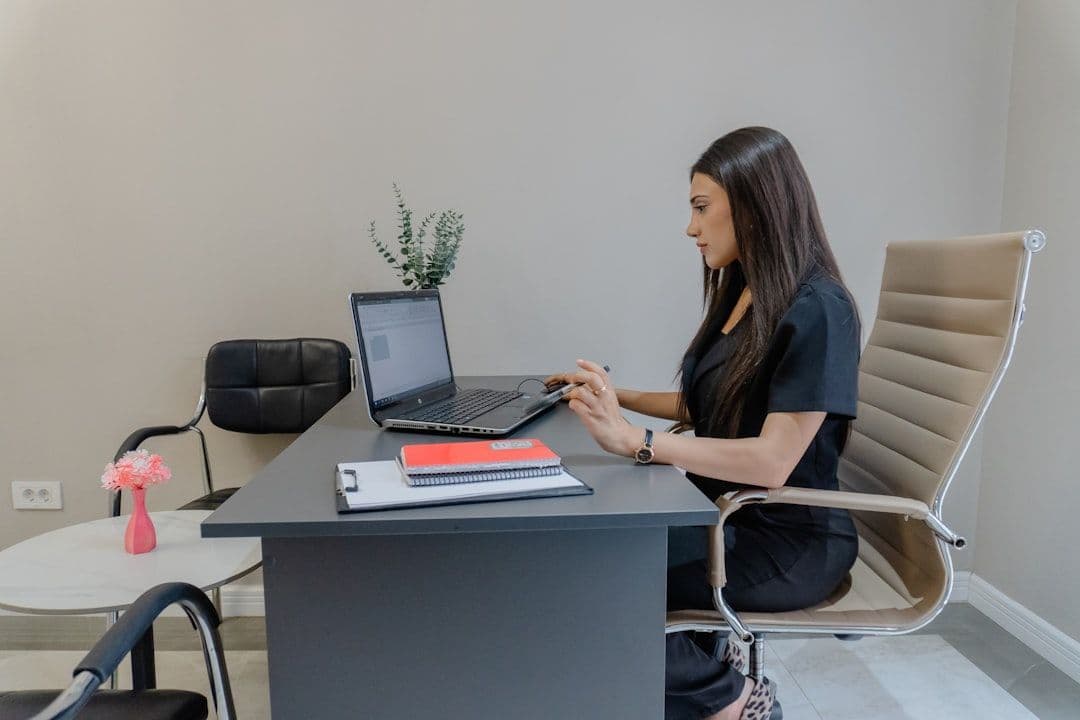
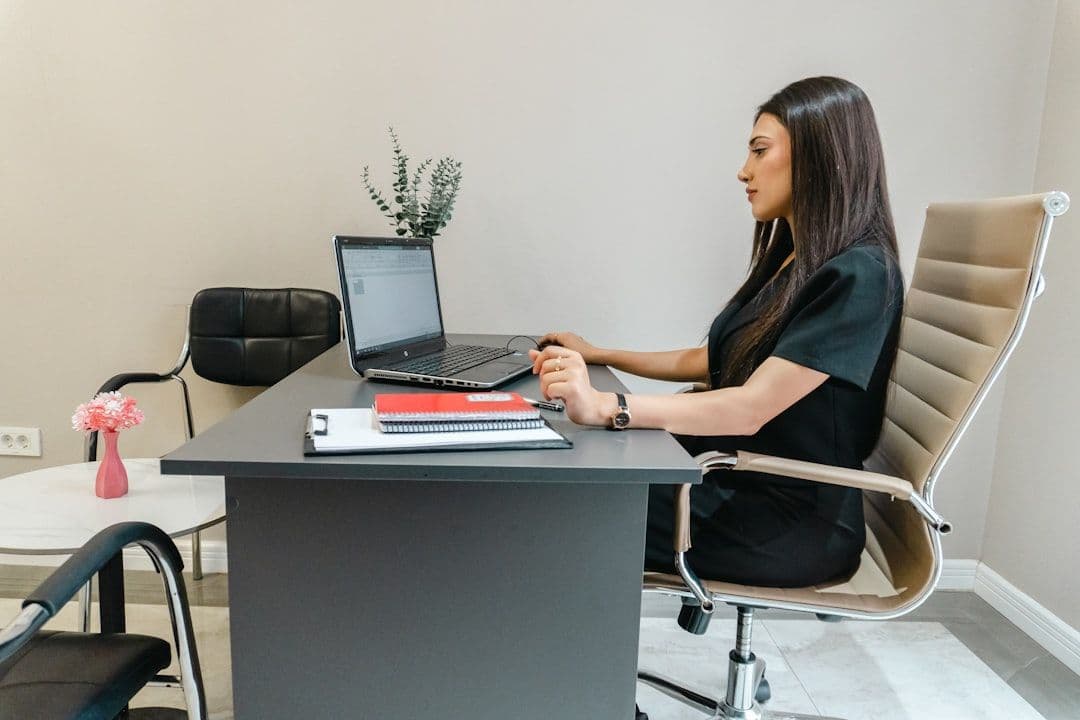
Postural imbalance refers to asymmetry or deviation from optimal spinal and joint alignment that places abnormal mechanical stress on muscles, joints, and connective tissues. Common patterns include forward head posture, rounded shoulders, thoracic kyphosis, lumbar hyperlordosis, anterior pelvic tilt, and leg length discrepancy. Sustained poor posture contributes to neck pain, lower back pain, headaches, and joint dysfunction. Modern lifestyle factors — prolonged sitting, screen use, and inactivity — are major drivers.
Could this be you
Postural imbalance shows up differently for everyone. Browse by how it tends to be felt — these are common experiences, not a checklist or a diagnosis.
Common experiences people describe — not a diagnostic checklist.
Why it happens
Postural imbalance usually comes from a mix of factors rather than a single cause. These are common contributors — not certainties.
Naturally occurring differences in muscle length, joint mobility, and spinal structure may predispose some people to postural asymmetry.
Chronic stress may increase muscle tension in the neck and shoulders, reinforcing uneven postural patterns over time.
Sedentary habits, weak core muscles, and poor ergonomic setups are common contributors to postural imbalance.
Sleeping in positions that strain the neck or spine may allow postural tension to accumulate and persist into the day.
What happens in the body
Postural imbalance can involve several of the body’s systems. These are common patterns researchers describe — how they show up varies from person to person.
Sustained misalignment may cause certain muscles to become chronically shortened or overloaded while opposing muscles weaken, increasing mechanical stress on joints and connective tissue.
Altered joint positioning may disrupt proprioceptive signaling, making it harder for the brain to accurately sense and self-correct body position over time.
Deviations from neutral spinal curves can redistribute compressive forces unevenly across intervertebral discs and facet joints, potentially contributing to localized pain and stiffness.
Habitual movement patterns, prolonged sedentary behavior, and low body awareness may reinforce postural deviations, creating a cycle that sustains discomfort over time.
Process
Management
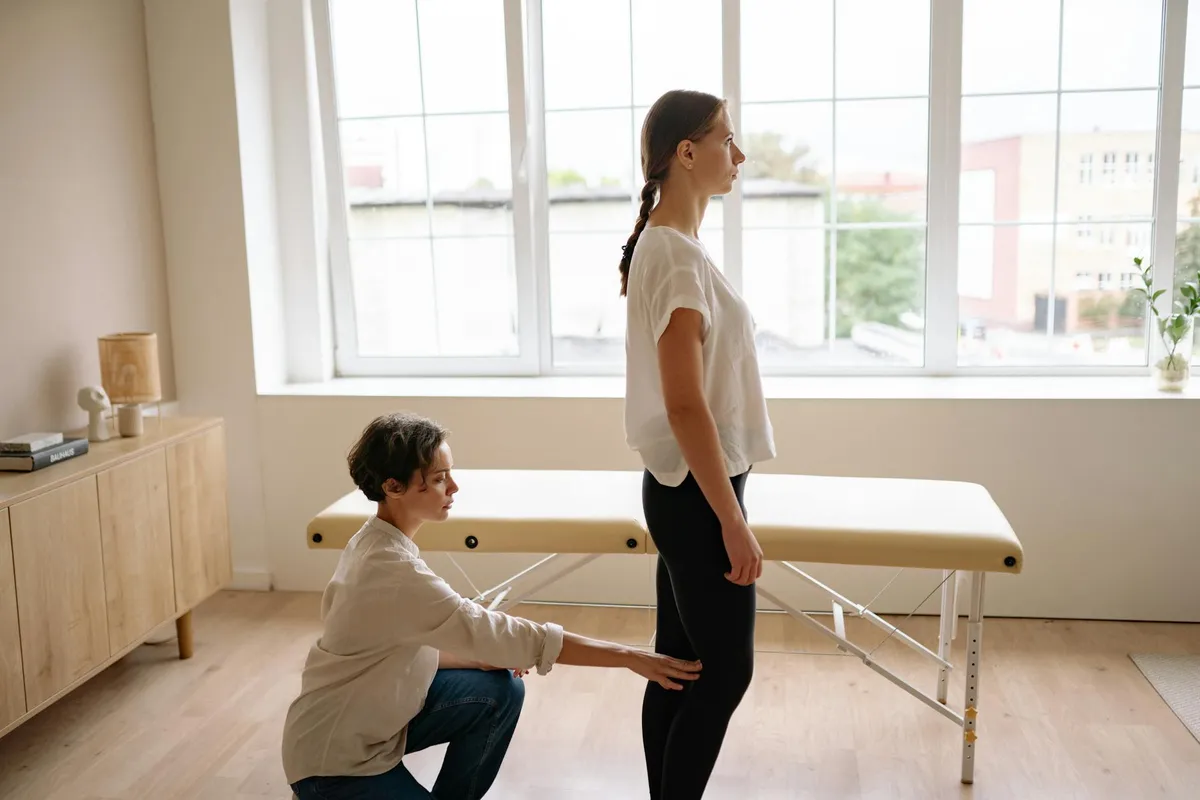
A physiotherapist may evaluate alignment, muscle imbalances, and movement patterns, and guide targeted exercises to support better spinal function over time.
Some people find that seated or remedial massage helps ease muscle tension in the neck, shoulders, and back associated with postural strain.
Pilates-based approaches may support spinal stability and body awareness, which some practitioners suggest can help reduce postural imbalance over time.
Some individuals explore chiropractic or osteopathic assessment for spinal alignment concerns; practitioners may use manual techniques to address related tension and restriction.
Adjusting workstation setup, incorporating regular movement breaks, and using standing desks are approaches many people find supportive for managing postural load during the day.
Self-Care
Exercises targeting the deep core, glutes, and upper back muscles may support better spinal alignment over time. Some practitioners suggest starting with 10 to 15 minutes daily.
Adjusting screen height, chair support, and keyboard position to reduce sustained asymmetrical loading may help ease the strain on muscles working to compensate for poor alignment.
Some people find that stepping away from their desk every 30 to 45 minutes to stretch or walk briefly helps reduce the cumulative muscular fatigue associated with prolonged static posture.
Both disciplines traditionally emphasize body awareness, spinal mobility, and balanced muscle engagement, which some practitioners suggest may be useful for addressing habitual postural patterns.
Breathing exercises that engage the diaphragm fully may support trunk stability and help release tension in the neck and shoulder muscles commonly overworked in postural imbalance.
The Evidence
What research says about postural imbalance, how it develops, and which approaches have the strongest support.
Exercise and movement correction have the strongest support
Research consistently supports active approaches — targeted strengthening, corrective movement, and ergonomic change — for improving postural alignment and reducing associated discomfort. Passive-only approaches without active muscle engagement show weaker long-term outcomes.
Exercise targeting postural muscles and corrective movement patterns has the strongest evidence base. Manual therapy used alongside exercise shows good supporting evidence. Yoga and Pilates have well-documented benefits for postural awareness and alignment. Ergonomic modification helps reduce the lifestyle factors that perpetuate poor posture.
Sustained misalignment can cause some muscles to shorten and overload while opposing muscles weaken. This disrupts proprioceptive signaling, making self-correction harder. Uneven compressive forces across spinal joints and discs may contribute to localised pain and stiffness. Sedentary habits and low body awareness can reinforce these patterns.
Osteopathy and massage therapy can address soft tissue tension and joint mobility as part of a broader plan. Acupuncture has limited but emerging evidence for associated neck and back pain. These approaches work best when combined with active strengthening rather than used as standalone interventions.
Seek prompt assessment if you notice sudden neurological symptoms, limb weakness or numbness, loss of bladder or bowel control, rapidly progressing spinal curvature, unexplained weight loss with spine pain, or postural deviation following trauma. These may indicate conditions requiring urgent professional attention beyond postural care.
Relying solely on passive interventions — such as braces, supports, or manual therapy alone — without building active muscle strength is unlikely to produce lasting improvement and may delay appropriate care. Professional assessment is recommended before beginning a corrective programme, particularly where pain is significant or symptoms are unclear.
Postural imbalance varies considerably between individuals. A physiotherapist, osteopath, or similarly qualified practitioner can assess your specific alignment patterns and design a targeted programme. Self-directed approaches such as yoga or Pilates can complement professional guidance but are not a substitute for professional assessment where pain or neurological symptoms are present.
Safety first
Postural imbalance is manageable, and support helps. Some situations call for prompt professional help.
Explore approaches
Practices people explore for postural imbalance — alongside professional care.
FAQ
Seated massage may support muscle tension relief in the neck, shoulders, and upper back. Some people find it helps them become more aware of how they hold their body, though it works best alongside movement and postural exercises.
Posture is shaped by many factors including muscle strength, habits, and anatomy. While prolonged sitting may contribute, postural imbalance is rarely the result of one cause or one person's fault.
If your discomfort is limiting daily activity, not improving with self-care, or accompanied by numbness or weakness, a physiotherapist or doctor can offer a more thorough assessment and targeted support.
Some people find complementary approaches like massage or movement therapies helpful alongside conventional care. Evidence is moderate, so results vary and professional guidance is recommended.
Timelines vary widely depending on contributing factors. Some people notice gradual relief within weeks of consistent movement and bodywork, while others benefit from longer-term professional support.
Keep exploring
Browse practitioners, explore honest overviews, and take what you learn to a conversation — at your own pace.