What It Is
A common nutrient gap where the body lacks enough vitamin D to support bones, immunity, and mood regulation.
Understanding why your body may be craving more sunlight
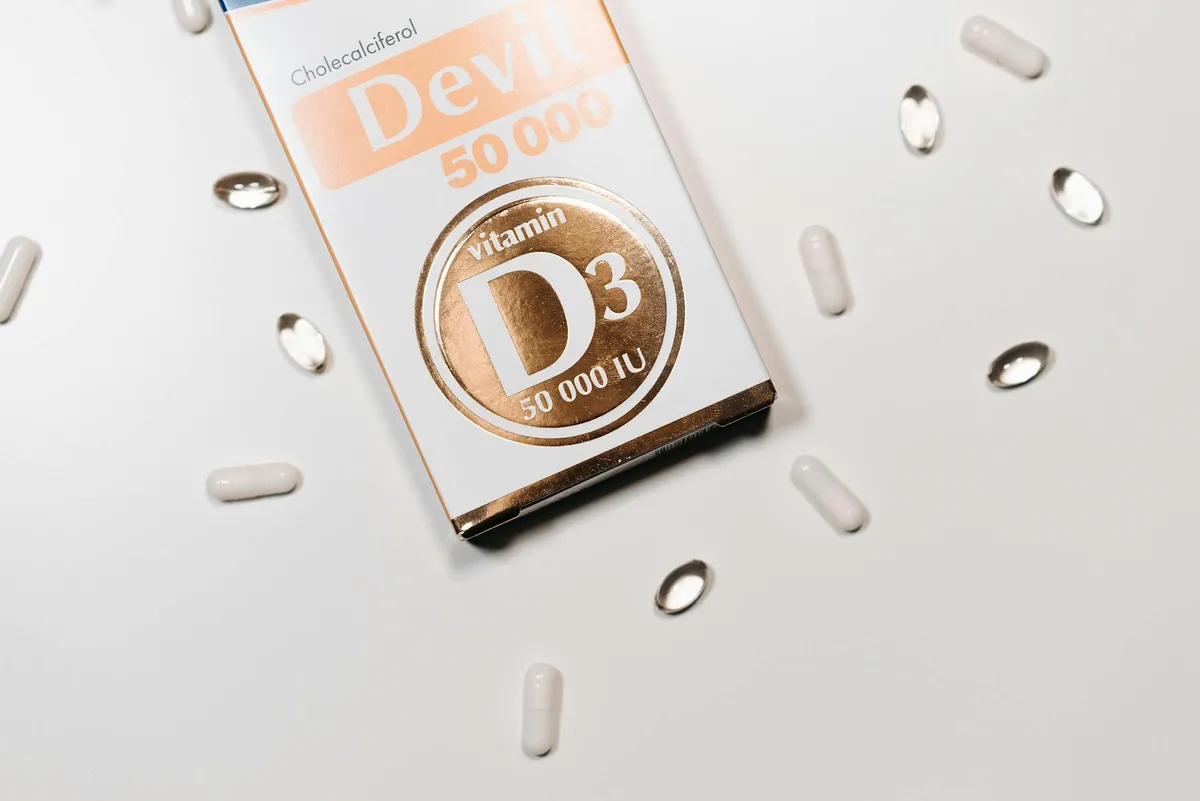
At a glance
What It Is
A common nutrient gap where the body lacks enough vitamin D to support bones, immunity, and mood regulation.
How It Presents
Often silent at first, then fatigue, bone pain, muscle weakness, low mood, and frequent illness may emerge.
What May Help
Safe sun exposure, vitamin D-rich foods, and targeted supplementation are commonly explored approaches.
Evidence Context
Research on vitamin D is among the strongest in nutrition science, with well-documented links to multiple body systems.
See the evidence snapshotWhen to Seek Help
Persistent fatigue, recurrent infections, or bone pain lasting weeks warrants testing and professional guidance.
Explanation
Vitamin D deficiency occurs when the body does not maintain sufficient levels of this fat-soluble vitamin, produced in the skin through sun exposure and found in foods such as oily fish, eggs, and fortified products. It plays a role in calcium absorption, bone maintenance, immune signalling, and mood regulation. Deficiency is common in people with limited sun exposure, darker skin tones, or reduced nutrient absorption. Symptoms may include fatigue, low mood, muscle weakness, and increased susceptibility to infection, though many people notice nothing at all. Care typically involves blood testing and supplementation. Some people find that addressing vitamin D status alongside sleep, nutrition, and stress management may support overall wellbeing.
Could this be you
Vitamin D deficiency shows up differently for everyone. Browse by how it tends to be felt — these are common experiences, not a checklist or a diagnosis.
Common experiences people describe — not a diagnostic checklist.
Why it happens
Vitamin D deficiency usually comes from a mix of factors rather than a single cause. These are common contributors — not certainties.
Skin tone, age, and genetics affect how efficiently the body produces vitamin D from sunlight.
Chronic stress may disrupt hormone balance and metabolic processes that influence vitamin D utilization.
Gut conditions, obesity, and kidney issues may reduce how well the body absorbs or activates vitamin D.
Poor sleep may be both a symptom and a contributing factor in the cycle of low vitamin D and fatigue.
What happens in the body
Vitamin D deficiency can involve several of the body’s systems. These are common patterns researchers describe — how they show up varies from person to person.
Low vitamin D may reduce the production of antimicrobial proteins and dampen immune cell signalling, potentially increasing susceptibility to infection.
Vitamin D acts as a hormone precursor, and insufficient levels may impair calcium-regulating pathways involving parathyroid hormone and bone metabolism.
Vitamin D receptors are present in brain regions linked to mood, and low levels are associated with altered neurotransmitter activity that may contribute to fatigue and low mood.
Reduced vitamin D availability may impair calcium absorption and muscle cell function, potentially contributing to bone pain, weakness, and reduced muscle performance.
Process
Management
A doctor may recommend oral vitamin D3 supplements to help restore levels; dosage varies by individual need and is typically guided by blood test results.
Regular, brief midday sunlight on exposed skin may support the body's natural vitamin D production, with duration depending on skin tone and geographic location.
Increasing intake of vitamin D-rich foods such as oily fish, egg yolks, and fortified dairy or plant milks may help support adequate levels alongside other strategies.
Some people explore plant-based or organic D3 sourced from lichen as a complement to dietary efforts, particularly those following a vegan lifestyle.
Some practitioners suggest that adequate magnesium intake may support the body's ability to activate vitamin D, and the two are sometimes considered together.
Self-Care
Spending 10 to 30 minutes outdoors in midday sun several times a week may support your body's natural vitamin D production, though this varies with skin tone, season, and location
Fatty fish such as salmon and mackerel, egg yolks, and fortified dairy or plant-based milks are among the dietary sources some people find helpful for maintaining healthier vitamin D levels
Vitamin D is fat-soluble and depends on healthy digestion; eating adequate healthy fats alongside vitamin D sources and supporting gut flora may help your body absorb what you consume
Some practitioners suggest that magnesium and vitamin K2 work alongside vitamin D in the body; a balanced, nutrient-dense diet or targeted supplementation may support this relationship
Sleep disruption may interfere with immune regulation and overall metabolic balance; prioritizing seven to nine hours of quality sleep each night may support the body's ability to use nutrients effectively
The Evidence
What research and clinical practice currently say about vitamin D deficiency, its effects, and how it is typically managed.
Well-researched deficiency with clear management pathways
Vitamin D deficiency is one of the most studied nutritional conditions globally, with consistent evidence linking low levels to immune, bone, and mood-related effects. Blood testing and supplementation under professional guidance remain the standard approach.
Large-scale studies consistently link low vitamin D levels to reduced bone density, impaired immune signalling, and increased fatigue. Evidence for mood effects is growing but more variable. Supplementation trials show reliable improvements in deficiency-related outcomes, particularly for bone and immune markers, when guided by blood testing.
Healthcare professionals typically confirm deficiency through a 25-hydroxyvitamin D blood test before recommending supplementation doses. Over-the-counter supplements are widely available, but appropriate dosing varies by individual. Periodic monitoring helps avoid both under-correction and excessive intake, which carries its own risks.
Severe bone pain, unexplained fractures, extreme muscle weakness, or confusion should prompt professional assessment promptly. Signs of serious infection or prolonged high fever also require medical attention. These presentations go beyond typical deficiency and need evaluation that self-managed supplementation cannot replace.
Nutritional therapy, naturopathy, and traditional Chinese medicine may offer supportive perspectives on diet, lifestyle, and stress — factors that interact with immune and metabolic health. These approaches work best alongside, not instead of, professional assessment and appropriate supplementation. Evidence for specific complementary interventions targeting vitamin D status directly is limited.
Safe, regular sun exposure remains the most natural source of vitamin D, though geographic location, season, skin tone, and time outdoors vary widely. Dietary sources such as oily fish, eggs, and fortified foods contribute modestly. Sleep quality and stress management may also support the broader immune and metabolic context in which vitamin D functions.
While deficiency correction is well supported, evidence for supplementation benefits in people with already-adequate levels is weaker. Some research into vitamin D and conditions such as depression or autoimmune disease is promising but not yet conclusive. Inflated outcome claims circulate widely — professional guidance helps distinguish evidence-based use from speculation.
Safety first
Vitamin D deficiency is manageable, and support helps. Some situations call for prompt professional help.
Explore approaches
Practices people explore for vitamin d deficiency — alongside professional care.
FAQ
Few foods contain meaningful amounts of vitamin D naturally. Fatty fish, egg yolks, and fortified foods contribute, but many people find diet alone is insufficient to maintain optimal levels, especially in low-sunlight months.
Skin exposed to UVB rays produces vitamin D naturally. Factors like latitude, season, skin tone, and time outdoors all influence how much is made. Some people find midday sun exposure of 10 to 30 minutes several times weekly may support levels.
Alongside supplementation, some people find combining regular safe sun exposure, vitamin D-rich foods, and magnesium intake helpful, as magnesium may support vitamin D metabolism. Maintaining a healthy weight may also play a role.
Vitamin D3 supplements are widely used and considered low risk at standard doses. However, very high doses over time may cause toxicity. A blood test can help guide appropriate dosing, and a healthcare provider can advise on your situation.
If fatigue, bone pain, muscle weakness, or frequent illness persist for several weeks, a doctor can order a simple blood test. Early identification allows for guided supplementation and monitoring to help restore levels safely.
Keep exploring
Browse practitioners, explore honest overviews, and take what you learn to a conversation — at your own pace.