What it is
Biohacking uses self-tracking and lifestyle tweaks to optimize sleep, focus, and longevity.
Upgrading the Human System: Your Biology, Energy, and Longevity Through Self-Driven Innovation.
At a glance
What it is
Biohacking uses self-tracking and lifestyle tweaks to optimize sleep, focus, and longevity.
Why explore it
It may boost energy, resilience, and recovery by tailoring habits to your own biometric data.
How it’s experienced
Expect wearables, light therapy, cold exposure, and nutrition plans guided by personal data.
Evidence context
Evidence is mixed: sleep tracking shows promise, but some methods like nootropic stacking lack solid research.
See the evidence snapshotSafety
Risks vary widely by technique, so get professional guidance before starting any protocol.
See staying safeHistory & Origin
Biohacking is a self-driven movement where individuals use a blend of science, technology, and self-experimentation to optimize their physical and cognitive performance. Instead of waiting for traditional medicine to address health issues after they arise, biohackers view the human body as a complex system that can be continuously monitored, upgraded, and fine-tuned. This approach spans a wide spectrum, starting from simple, data-backed lifestyle changes—such as tracking sleep cycles, practicing intermittent fasting, and using cold exposure to boost immunity. On the more advanced and controversial end, it includes personalized genetic nutrition plans, the consumption of cognitive-enhancing smart drugs, and even the surgical implantation of tech microchips. Ultimately, the core philosophy relies on using real-time biomarker data to unlock peak energy, reverse biological aging, and achieve maximum longevity.
The concept of biohacking originated in 1988 when journalist Michael Schrage coined the term in a Washington Post article to describe a rising subculture of amateur, garage-based molecular biologists. By the early 2000s, this DIY biology movement fused with the booming computer programming world, where software engineers began applying the principles of open-source coding, decentralization, and reverse engineering to human DNA.
The community gained formal structure between 2005 and 2008 through the launch of the DIYbio organization, which established accessible community laboratories for non-traditional scientists to experiment outside institutional bounds. However, the 2010s marked a major commercial pivot when Silicon Valley tech entrepreneurs, most notably Bulletproof founder Dave Asprey, repositioned biohacking from decentralized genetic tinkering into a mainstream, multi-billion-dollar human optimization movement. Today, the practice has entered the longevity era, exemplified by ultra-data-driven practitioners like Bryan Johnson who combine cellular science and rigorous biometric tracking to aggressively measure and reverse biological aging metrics.
Mechanism
Biohacking is generally framed as a guided process for attention, reflection, learning, and emotional integration. Depending on the method, a practitioner may use conversation, imagery, structured exercises, body awareness, or therapeutic techniques to help the person explore patterns and choices. It should not be presented as a standalone solution or a substitute for urgent care, but it may support self-understanding when practiced within an appropriate scope. Biohacking conceptualizes the human organism as a dynamic, programmable system capable of systematic monitoring, analysis, and optimization.
Your first visit
A typical session outline to help you feel prepared
A biohacking session blends cutting-edge technology with personalized data to help your body perform at its best, one targeted therapy at a time.
Your practitioner greets you and reviews a health intake form covering your sleep, energy, stress levels, and any specific goals like recovery or mental clarity.
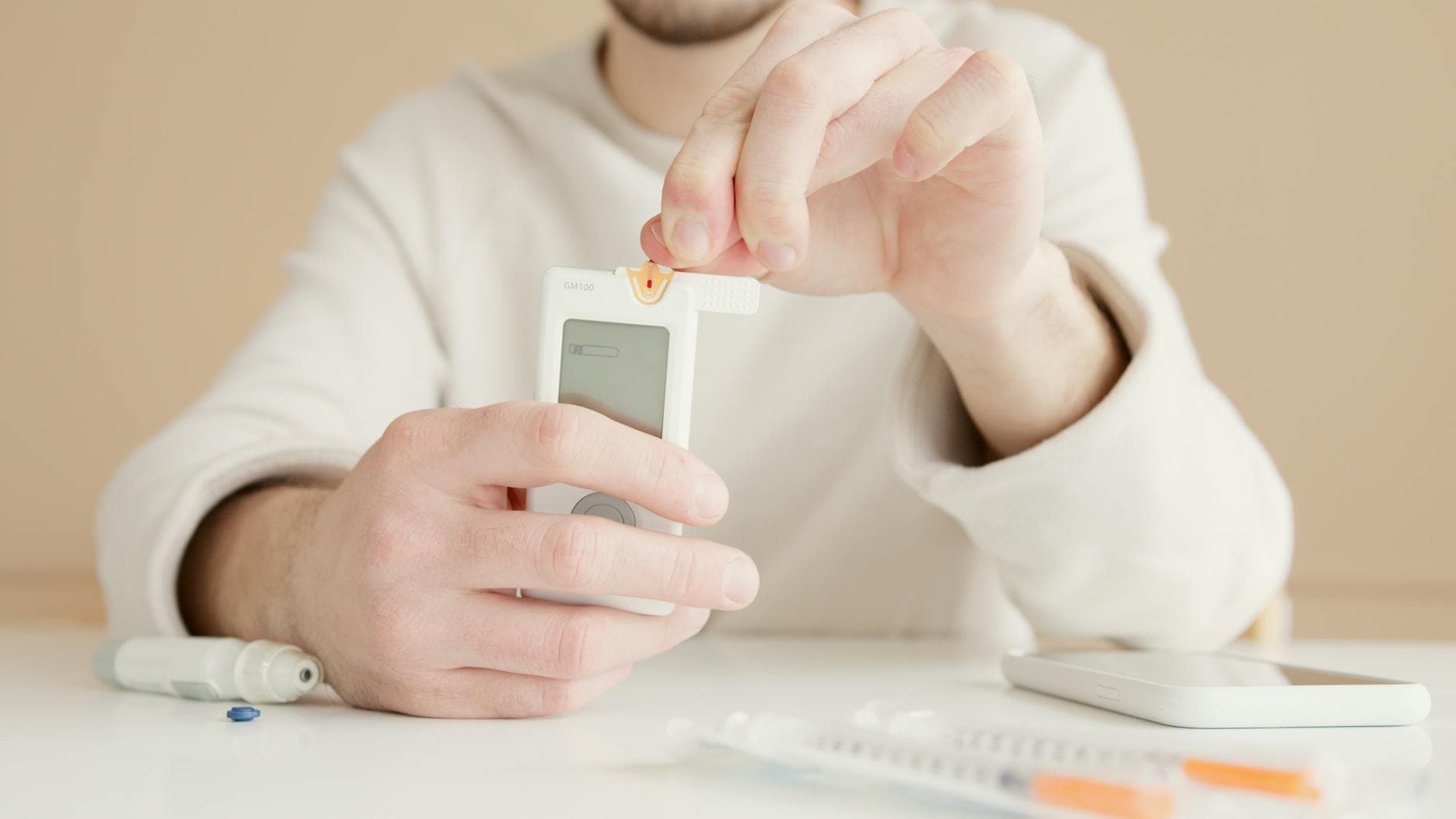
Your vitals are measured using tools like HRV monitors, blood oxygen sensors, or glucose trackers so your practitioner has a clear starting picture of where your body is right now.
Based on your metrics and goals, your practitioner explains which therapies are planned for today, such as infrared sauna, red light therapy, or cryotherapy, and what each one does.
You change into appropriate attire, usually minimal clothing for sauna or light therapy, and your practitioner walks through any safety considerations and gets your consent before starting.
You move through your selected modality, whether that is lying under red light panels, sitting in a hyperbaric chamber, or stepping into a cryo unit, typically for 10 to 40 minutes depending on the therapy.
Immediately after the main therapy, you rest in a calm space while your body responds, which might feel like a warm flush, a burst of alertness, or deep relaxation depending on what you experienced.
Your practitioner re-checks key vitals to compare against your baseline and talks you through what the numbers suggest about how your body responded to the session.
You leave with notes on hydration, nutrition, or sleep tips tailored to today's session, and your data is logged so your protocol can be refined over future visits.
The Evidence
Biohacking spans a wide spectrum — some strategies are well-supported, others carry real risk. Understanding the difference matters.
Evidence varies widely depending on the strategy
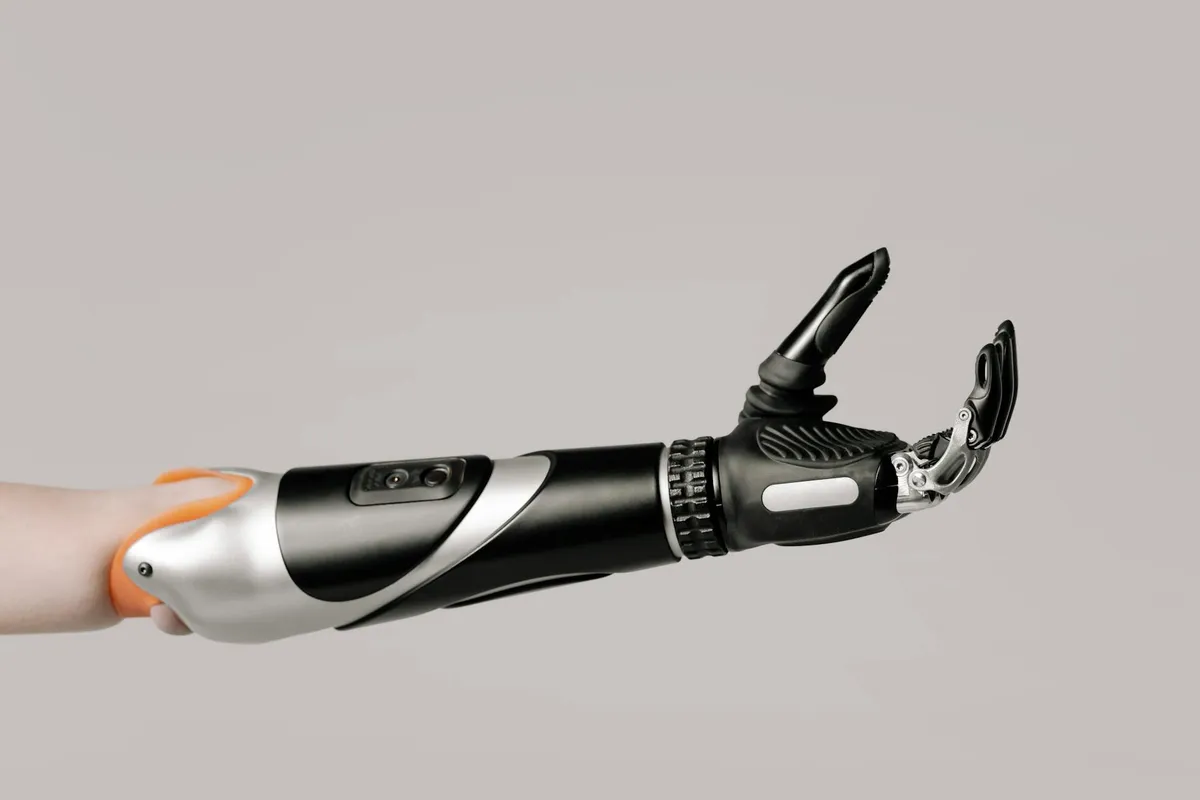
Foundational biohacking practices like sleep optimisation, nutrition tracking, and exercise have reasonable research support in specific contexts. More advanced interventions — including DIY gene editing or implantable devices — lack verified human safety data and sit well outside regulated healthcare.
Lifestyle-based strategies — sleep tracking, intermittent fasting, cold exposure, and targeted nutrition — have accumulated a meaningful body of peer-reviewed research, though effect sizes and applicability vary. Wearable biometric monitoring has growing support for behaviour change. Nootropics and advanced longevity protocols have far thinner, more contested evidence bases.
Unlike complementary practices used alongside medical care, biohacking is often pursued independently, driven by personal data and self-experimentation. This autonomy can be empowering, but it also means interventions are rarely reviewed by qualified practitioners before use.
Sleep hygiene, nutrition adjustments, and exercise optimisation carry minimal risk when applied sensibly. By contrast, DIY gene therapies, unregulated peptide injections, and subcutaneous implants carry serious, unquantified risks. No verified human safety data exists for many advanced biohacking protocols. Elevated risk applies to the category as a whole.
If a protocol involves injections, implants, genetic modification, or high-dose supplementation, speak with a qualified practitioner first. Be cautious of inflated outcome claims — particularly around reversing ageing or eliminating disease risk. If you experience unexpected symptoms during self-experimentation, stop and seek professional assessment promptly.
Many popular protocols are based on preliminary studies, animal data, or individual self-reports rather than robust human trials. Personalisation is central to the philosophy, but it also makes generalised evidence harder to apply. Biohacking is not a substitute for professional assessment or ongoing medical care.
Functional medicine doctors, sports scientists, registered dietitians, and sleep specialists can help evaluate biohacking strategies against your personal health profile. This is especially important if you have existing health conditions, take medications, or are considering anything beyond foundational lifestyle optimisation.
Safety first
General guidance to help you decide whether this approach is appropriate for you. This is informational only and not a substitute for medical, psychological, or professional advice.
If you are pregnant, managing a health condition, recovering from injury or surgery, or taking medication, consult a qualified healthcare professional first.
Some situations call for extra care or a different approach. Share any conditions, injuries, or sensitivities with your practitioner before your first session.
Look for clear boundaries, transparent pricing, and practitioners who avoid fear-based claims or pressure to book frequent sessions.
Mild, short-lived effects such as tenderness, tiredness, or temporary soreness can occur. Rest, hydrate, and tell your practitioner how you respond.
Explore approaches
Other practices people often explore alongside biohacking.
In their words
References
Educational sources that inform this overview. Inclusion is for context and does not imply endorsement.
Full citations are maintained by the Gyfts editorial team and reviewed periodically.
Keep exploring
Browse practitioners, explore honest overviews, and take what you learn to a conversation — at your own pace.