What it is
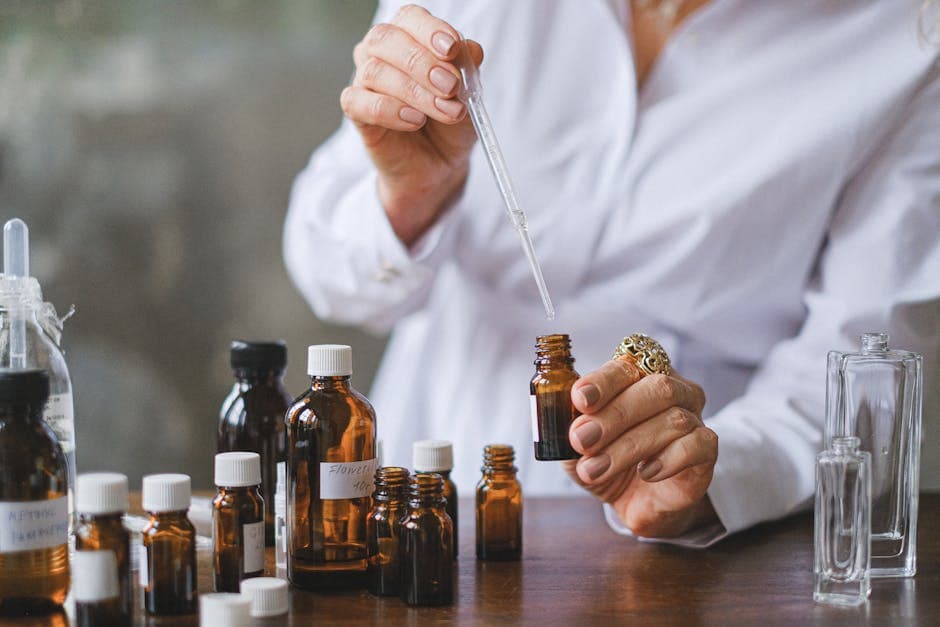
Flower essences are diluted floral preparations thought to support emotional balance and wellbeing.
Flower Essence Therapy uses liquid preparations made from flowers to address emotional and energetic imbalances, based on the premise tha...
At a glance
What it is
Flower essences are diluted floral preparations thought to support emotional balance and wellbeing.
Why explore it
Many people turn to flower essences during grief, stress, or big life changes to support emotional healing.
How it’s experienced
Take drops under the tongue or in water, often chosen during a consultation tailored to your emotional needs.
Evidence context
Research is limited and results are mixed, so benefits may reflect placebo or the care of a good practitioner.
See the evidence snapshotSafety
Generally low-risk, though many contain brandy as a preservative, and they should never replace professional care.
See staying safeHistory & Origin
Flower Essence Therapy utilizes flower essences to promote emotional and energetic healing.
Flower Essence Therapy was developed in the 1930s by Dr. Edward Bach, a Welsh physician and homeopath who believed that emotional states were the root cause of physical illness. Bach created his initial system using 38 flower essences, each associated with different emotional conditions and personality types. He spent years in the English countryside identifying flowers and testing their effects, eventually establishing his Bach Centre in Mount Vernon, Wales, where his work continues to be studied and refined.
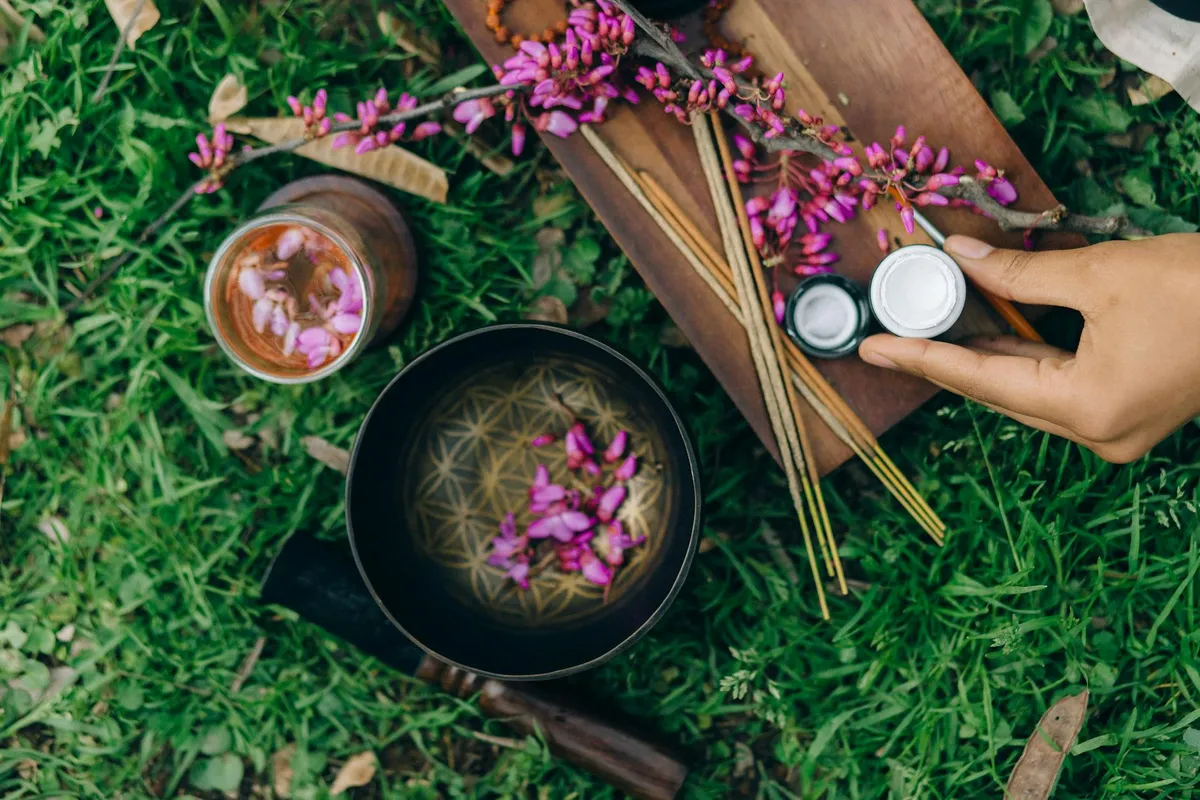
Bach's approach was influenced by homeopathic principles but diverged in methodology—while homeopathy uses serial dilution and succussion, flower essences are typically made by floating fresh flowers in spring water under sunlight, then preserving the liquid in brandy or glycerin. This process is believed to transfer the flower's energetic imprint to the water.
Following Bach's death in 1936, his system gained popularity in Europe and eventually spread globally. Other practitioners expanded the concept beyond Bach's original 38 essences, creating regional and cultural flower essence systems using native plants. Today, flower essence therapy is practiced worldwide as a complementary modality, with systems developed in Australia (Australian Bush Essences), California (FES essences), and many other regions. The therapy remains rooted in traditional herbalism, homeopathic philosophy, and energy-based healing frameworks.
Mechanism
Flower Essence Therapy is generally framed as a guided process for attention, reflection, learning, and emotional integration. Depending on the method, a practitioner may use conversation, imagery, structured exercises, body awareness, or therapeutic techniques to help the person explore patterns and choices. It should not be presented as a standalone solution or a substitute for urgent care, but it may support self-understanding when practiced within an appropriate scope. Flower essences are typically created by infusing flowers in spring water and exposing them to sunlight, then diluting the resulting liquid multiple times.
Your first visit
A typical session outline to help you feel prepared
A flower essence session is a gentle, conversation-based experience where a practitioner listens deeply and selects a personalized blend of flower essences to support your emotional well-being.
You arrive and are invited to sit comfortably in a calm, quiet space. The practitioner creates a relaxed atmosphere so you feel at ease before anything begins.
The practitioner asks open-ended questions about your current emotional landscape — things like recurring worries, life transitions, or how you've been feeling day to day. There's no right or wrong an
Together you dig a little deeper, noticing emotional patterns, triggers, or feelings that keep coming up. The practitioner may reference the Bach or other flower essence systems to identify which emot
The practitioner selects a small number of flower essences — typically four to seven — that correspond to the emotional themes you've identified. You may be shown the essences and hear a brief explana
The chosen essences are combined into a personal dosage bottle, usually with water and a small amount of brandy or glycerin as a preservative. This takes just a few minutes and results in a remedy mad
The practitioner explains exactly how to take your blend at home — typically a few drops under the tongue or in water, several times a day for two to four weeks. You'll also be told what kinds of subt
The session wraps up with a brief summary of your blend and any journaling or self-reflection suggestions. You'll schedule a follow-up visit in a few weeks to share what you've noticed and adjust the formula if needed.
The Evidence
What research and tradition say about Flower Essence Therapy, and how to weigh both honestly.
Limited scientific evidence; widely used for emotional support
Controlled studies have not demonstrated effects beyond placebo for flower essences. The therapy remains popular as a low-risk complementary option for emotional wellbeing, with its value likely shaped by expectation, ritual, and the therapeutic relationship.
Most research on flower essences is small-scale and methodologically limited. Where controlled trials exist, essences have generally performed similarly to placebo. No large, high-quality randomized trials support effects beyond expectation or the therapeutic relationship. Evidence is currently insufficient to draw firm conclusions.
Bach identified 38 essences linked to emotional states and personality patterns, made by floating flowers in spring water under sunlight. After his death in 1936, the system spread globally and inspired additional essence traditions beyond the original Bach set. Its framework sits outside conventional biomedical models.
It operates from a distinct theoretical model — that flowers carry energetic information transferable to water — which is not compatible with current physics or biochemistry. This does not invalidate personal experience, but it does mean the practice should be understood on its own terms rather than through a clinical lens.
The process of selecting essences, reflecting on emotional states, and engaging with a practitioner can itself be meaningful. Placebo responses, natural emotional fluctuation, and the value of structured self-reflection may all contribute to reported wellbeing. These are not trivial — but they are distinct from claims about the essences as active agents.
Most essences are well tolerated. Note that many contain brandy as a preservative — glycerin alternatives exist for those avoiding alcohol. Anyone experiencing depression, acute anxiety, suicidal thoughts, or trauma responses should work with a qualified mental health professional. Flower essences are not a substitute for that care.
There is no universal regulatory standard for flower essence practitioners internationally. Quality of practice varies. Look for practitioners who are transparent about the evidence base, do not make inflated outcome claims, and actively support referral to other professionals when needed. Combining this modality with qualified counseling or therapy is reasonable for emotional concerns.
Safety first
General guidance to help you decide whether this approach is appropriate for you. This is informational only and not a substitute for medical, psychological, or professional advice.
If you are pregnant, managing a health condition, recovering from injury or surgery, or taking medication, consult a qualified healthcare professional first.
Some situations call for extra care or a different approach. Share any conditions, injuries, or sensitivities with your practitioner before your first session.
Look for clear boundaries, transparent pricing, and practitioners who avoid fear-based claims or pressure to book frequent sessions.
Mild, short-lived effects such as tenderness, tiredness, or temporary soreness can occur. Rest, hydrate, and tell your practitioner how you respond.
For you?
A simple, human way to weigh it up. This is general guidance, not personal medical advice — a qualified practitioner can advise on your situation.
Gyfts is a discovery platform, not a medical provider. Nothing here diagnoses, treats or replaces professional care. In an emergency, contact your local emergency number.
Explore approaches
Other practices people often explore alongside flower essence therapy.
In their words
FAQ
Traditionally, flower essences are made by placing fresh flowers in spring water and leaving them in sunlight for several hours, allowing the plant's energy to imprint on the water. The flowers are then removed, and the liquid is preserved, usually with brandy or glycerin. Some modern producers use other methods. The final essence is typically very dilute—often further diluted before use—making it distinct from herbal infusions or tinctures, which contain plant material.
Results vary widely and are highly individual. Some people report subtle shifts in mood or clarity within days, while others notice gradual changes over weeks. Many people report the most noticeable changes after 2-4 weeks of consistent use. Some experience no significant change. It is important to approach flower essences with realistic expectations and patience, understanding that emotional shifts are often subtle.
Yes, many people use flower essences as a complement to therapy, counseling, or other wellness practices. However, always inform your healthcare provider about all modalities you're using. If you take prescription medications, discuss any new supplements or remedies with your doctor to rule out interactions, though flower essences themselves have minimal risk of direct drug interactions given their extreme dilution.
Flower essences are energetic or vibrational preparations with minimal or no plant material in the final product, whereas herbal medicine uses concentrated plant material (leaves, roots, flowers) that contains active chemical compounds. Essences are taken in tiny doses, while herbal medicines often involve larger quantities. The two operate on different theoretical frameworks—essences on vibrational or energetic principles, herbs on biochemical action.
Typical dosing is 2-4 drops of the prepared blend on the tongue or in water, taken 2-4 times daily. Some people take them morning and evening, others add drops to their water bottle for throughout-the-day dosing. Your practitioner will provide specific guidance. There is no established toxicity from overdose given the extreme dilution, but consistency is generally emphasized over quantity.
Flower essences are generally considered safe for children when used appropriately. However, alcohol-based essences should be diluted or alcohol-free versions used. Always consult with a healthcare provider before giving any preparation to a child, particularly those under 5 years old or with specific health conditions. A qualified practitioner can advise on age-appropriate use.
References
Educational sources that inform this overview. Inclusion is for context and does not imply endorsement.
Full citations are maintained by the Gyfts editorial team and reviewed periodically.
Keep exploring
Browse practitioners, explore honest overviews, and take what you learn to a conversation — at your own pace.