What it is
Iridology reads iris patterns to explore constitutional tendencies and support wellness talks.
Reading wellness through the window of your eyes
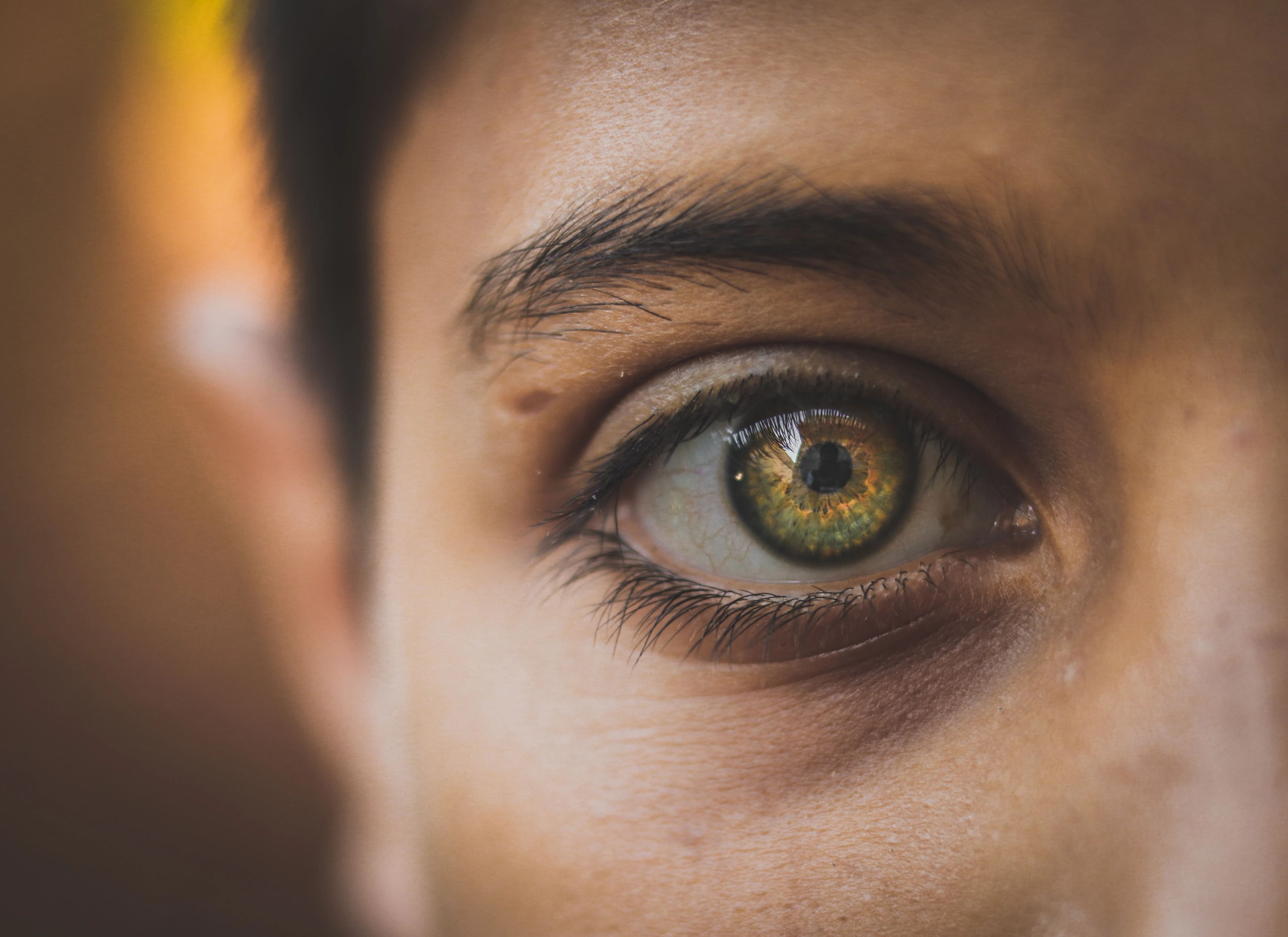
At a glance
What it is
Iridology reads iris patterns to explore constitutional tendencies and support wellness talks.
Why explore it
It offers a reflective starting point for conversations about digestion, stress, and lifestyle habits.
How it’s experienced
A practitioner observes your iris with a light or camera — no eye touching, fully clothed throughout.
Evidence context
Science doesn't support it as diagnosis, so treat it as a wellness conversation, not medical advice.
See the evidence snapshotSafety
It's non-invasive, but never let iris readings replace proper care — always loop in your doctor.
See staying safeHistory & Origin
Iridology is an alternative health practice based on the idea that the iris of the eye — the colored portion surrounding the pupil — contains a detailed map of the body's organs, systems, and overall health status. Practitioners, known as iridologists, examine the patterns, colors, markings, and textures of the iris and claim to use this information to identify areas of the body that may be under stress, inflamed, or functioning suboptimally. Rather than diagnosing disease, most iridologists position their work as a form of constitutional assessment intended to support broader wellness conversations.
The practice draws on a tradition of observation that stretches back centuries, though it was systematized into a more formalized framework during the 19th century. Today, iridology is used primarily in naturopathic, holistic, and integrative wellness contexts. Some practitioners combine iris analysis with nutritional counseling, herbal support, or lifestyle recommendations as part of a broader approach to health.
It is important to note that iridology sits firmly in the alternative health category and is not recognized as a diagnostic tool by conventional medicine. Scientific research into iridology has yielded limited and largely inconclusive results, and mainstream medical organizations do not endorse its use for identifying specific medical conditions. Those exploring iridology are encouraged to view it as one lens within a holistic wellness journey — not as a replacement for evidence-based medical evaluation, diagnosis, or treatment.
The roots of iridology are often traced to the observations of Hungarian physician Ignatz von Péczely in the mid-19th century, who reportedly noticed a marking in the iris of an owl after the bird suffered a broken leg — leading him to hypothesize a connection between iris markings and physical conditions. Von Péczely went on to develop one of the earliest iris charts, which he published in the 1880s. Around the same time, Swedish pastor Nils Liljequist independently explored similar ideas, contributing to the early framework of the practice.
Iridology was later brought to wider audiences in the United States through the work of various naturopathic practitioners in the 20th century, where it became associated with the broader natural health movement. The practice has roots in European naturopathic traditions and has since spread globally, finding a place in alternative and integrative wellness communities across many cultures. While the theoretical frameworks have evolved over time, the core concept — that the iris reflects systemic health — has remained central to the practice.
Mechanism
Iridology is based on the theory that the iris contains a reflective map of the body's organs and systems.
Your first visit
A typical session outline to help you feel prepared
An iridology session is a gentle, non-invasive experience where a practitioner studies your irises to gain insights into your overall wellness and vitality.
You'll start by filling out a health history form and chatting with your practitioner about your current wellness concerns, lifestyle, and goals. This helps them focus their observations in your iris.
Your practitioner will ask follow-up questions about digestion, energy levels, sleep, and stress. This conversation shapes how they interpret what they see in your eyes and typically takes 10 to 15 minutes.
You'll be seated in a well-lit area or reclined slightly in a chair. No special clothing is needed, and nothing will touch your eyes at any point during the session.
The practitioner uses a small bright light and magnifying lens, or a digital iris camera, to examine each eye closely. You'll simply be asked to look in various directions while they observe the patte
Using an iris chart that divides the iris into zones corresponding to body systems, your practitioner notes any markings, pigmentation changes, or structural patterns they observe in each eye.
Your practitioner walks you through what they noticed, explaining which zones drew their attention and what those observations may suggest about your overall wellness and areas to support.
Based on the iris observations, your practitioner may offer personalized suggestions around nutrition, hydration, rest, or lifestyle habits to help support the areas they identified.
You'll have time to ask questions and discuss whether follow-up sessions make sense for you. Many practitioners provide a written summary or iris photograph for your own reference.
The Evidence
What the research says, what remains uncertain, and how to approach iridology as part of an informed wellness journey.
Iridology is not supported by current clinical research
Controlled studies have not found that iris analysis reliably identifies health conditions beyond chance. Iridology is best understood as a traditional wellness practice rather than a clinically validated assessment tool.
Reviews of controlled research consistently find that iridologists cannot reliably identify specific health conditions from iris analysis alone, performing no better than chance compared to established methods. The existing studies are often small, methodologically varied, and have not produced replicable findings. Evidence is currently rated as limited on this platform.
As an Alternative practice, iridology operates on principles not recognised within conventional biomedical science. Its theoretical basis — that iris zones map to body systems — has not been validated through mainstream anatomical or physiological research. This does not negate its role in wellness conversations, but it is important context for anyone exploring it.
The practice is often traced to Hungarian physician Ignatz von Péczely and Swedish pastor Nils Liljequist, who independently developed early iris charts in the 1800s. It later became embedded in naturopathic and natural health movements, particularly in the United States and Europe, where it continues to be used in integrative wellness settings.
The practice is non-invasive and does not involve contact with the eye. The primary concern is acting on unverified assessments in place of appropriate professional care. Iridology findings should never substitute for evaluation by a licensed health professional. Always inform your primary care provider if you are incorporating iridology into your wellness routine.
Iridology is not a substitute for professional medical assessment, and any observations made by a practitioner should not be interpreted as clinical conclusions. Inflated outcome claims made by some practitioners are not supported by evidence. If you have an unresolved health concern, seek evaluation from a qualified healthcare provider alongside any complementary practice.
Sessions typically involve a practitioner examining your iris using a light source and magnification, referencing an iris chart to discuss areas of potential concern. Reputable practitioners position this as a wellness conversation, not a clinical assessment. Ask about their training, professional affiliations, and how they approach referrals to conventional care when needed.
Safety first
General guidance to help you decide whether this approach is appropriate for you. This is informational only and not a substitute for medical, psychological, or professional advice.
If you are pregnant, managing a health condition, recovering from injury or surgery, or taking medication, consult a qualified healthcare professional first.
Some situations call for extra care or a different approach. Share any conditions, injuries, or sensitivities with your practitioner before your first session.
Look for clear boundaries, transparent pricing, and practitioners who avoid fear-based claims or pressure to book frequent sessions.
Mild, short-lived effects such as tenderness, tiredness, or temporary soreness can occur. Rest, hydrate, and tell your practitioner how you respond.
For you?
A simple, human way to weigh it up. This is general guidance, not personal medical advice — a qualified practitioner can advise on your situation.
Gyfts is a discovery platform, not a medical provider. Nothing here diagnoses, treats or replaces professional care. In an emergency, contact your local emergency number.
Explore approaches
Other practices people often explore alongside iridology.
In their words
FAQ
No. Iridology is not a diagnostic tool and should not be used to identify, confirm, or rule out any medical condition. Practitioners offer wellness-based observations, not medical diagnoses. Always consult a licensed healthcare provider for any health concerns.
The current scientific evidence for iridology is limited. Studies that have examined its accuracy have generally not found reliable results, and it is not recognized by mainstream medical organizations as a valid health assessment method. The practice is primarily rooted in traditional use and anecdotal experience.
A standard iridology session is non-invasive and involves only visual examination of the eye, which carries minimal physical risk. The primary caution is avoiding the use of iridology as a substitute for proper medical evaluation or treatment, which could delay necessary care.
References
Educational sources that inform this overview. Inclusion is for context and does not imply endorsement.
Full citations are maintained by the Gyfts editorial team and reviewed periodically.
Keep exploring
Browse practitioners, explore honest overviews, and take what you learn to a conversation — at your own pace.