What it is
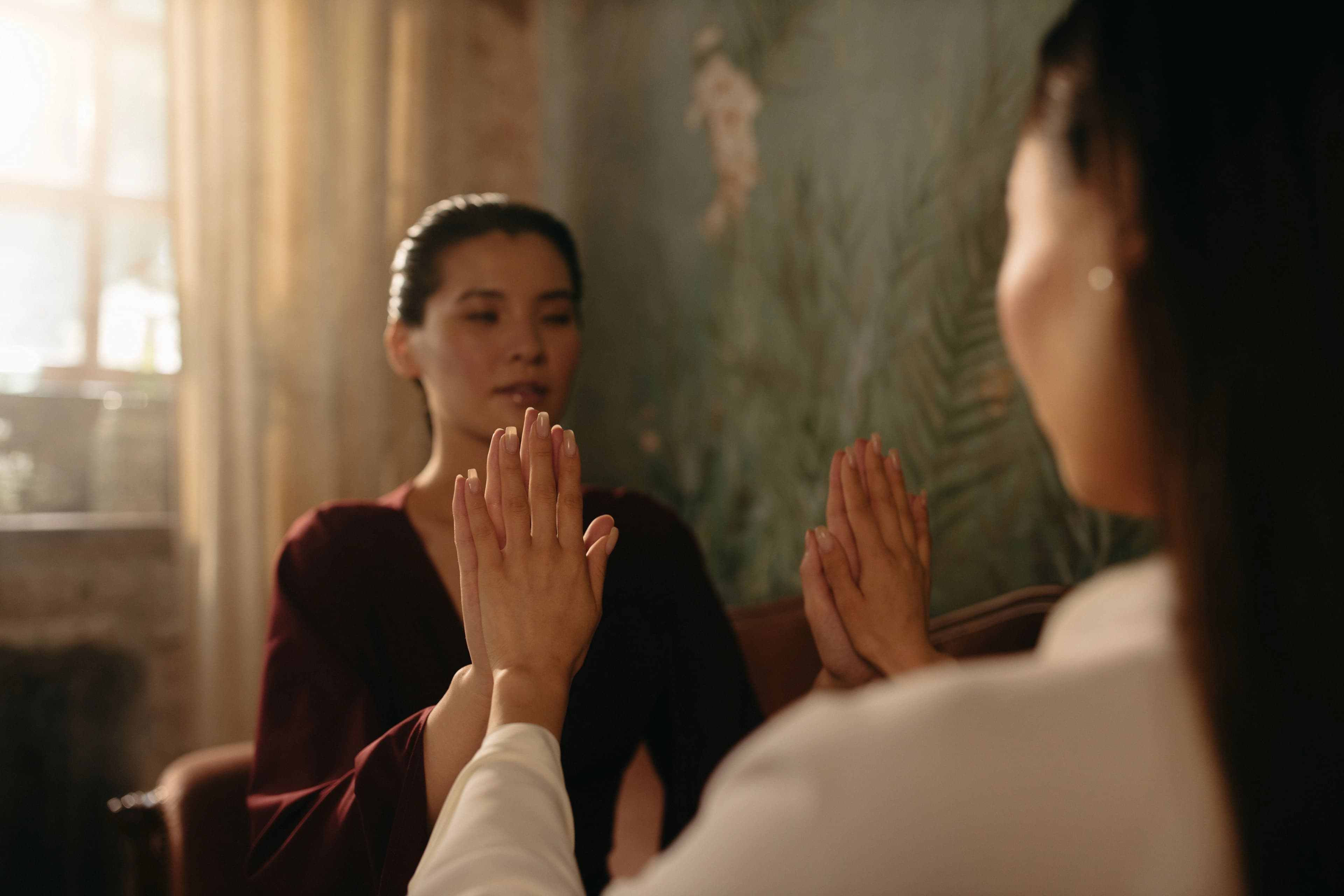
Jin Shin Jyutsu is a traditional Japanese energy practice involving gentle touch on specific body points.
Gentle touch to encourage balance from within
At a glance
What it is
Jin Shin Jyutsu is a traditional Japanese energy practice involving gentle touch on specific body points.
Why people explore it
How it’s experienced
A typical Jin Shin Jyutsu session lasts approximately one hour, during which the client lies fully clothed on a comfortable table in a calm, quiet setting.
Evidence context
Traditional useSee the evidence snapshotSafety
Typical risk: Low
See staying safeHistory & Origin
Jin Shin Jyutsu is a gentle Japanese energy art that involves the practitioner or individual placing their hands on specific points along the body, known as Safety Energy Locks, to encourage the natural flow of life energy. Rooted in ancient Eastern philosophy, it is based on the idea that energy pathways run throughout the body and that blockages in these pathways may contribute to physical or emotional disharmony. Practitioners traditionally use light touch rather than massage or manipulation.
Often described as a complement to conventional wellness routines, Jin Shin Jyutsu may support relaxation, emotional balance, and a general sense of well-being. Sessions are typically quiet and non-invasive, and many people find the practice calming. It is sometimes used alongside other holistic approaches as part of an integrative self-care routine.
Jin Shin Jyutsu is attributed to Jiro Murai, a Japanese scholar who reportedly rediscovered the art in the early twentieth century after using self-application of the practice during a serious illness. He spent decades researching and refining the approach before sharing it with Mary Burmeister, an American student who brought the practice to the United States in the 1950s.
Mary Burmeister played a central role in introducing Jin Shin Jyutsu to Western audiences, and the practice has since been shared through dedicated teaching programs. It draws on concepts found in ancient Eastern texts and is considered part of a broader tradition of Japanese energy arts.
Mechanism
Light hand placements on specific body points aim to encourage energy flow and balance.
Your first visit
A typical session outline to help you feel prepared
A Jin Shin Jyutsu session is a gentle, fully clothed energy balancing experience where a practitioner uses light fingertip holds to support your body's natural harmony.
Your practitioner greets you and asks about your current wellbeing, energy levels, and any areas of tension or discomfort you'd like to address. This is a relaxed conversation, not a medical interview.
You lie fully clothed on a padded table and the practitioner gently holds your wrists to listen to your pulses. In Jin Shin Jyutsu, the pulses reveal which energy pathways, called flows, may be congested or depleted.
You are invited to close your eyes, breathe naturally, and simply rest. No special breathing techniques are required — your only job is to receive. The room is quiet and the lighting is soft.
Based on what your pulses indicated, the practitioner selects a specific sequence of Safety Energy Locks — 26 points on each side of the body — to address during your session. Each sequence follows a distinct pathway.
The practitioner places their fingertips lightly on two points at a time along your clothed body, holding each pair for several minutes with no pressure or massage. You may feel gentle warmth, a soft
The practitioner quietly shifts their hands through the chosen sequence, working down or across the body in a specific order. Many people drift into a deeply relaxed or meditative state during this ph
Near the end, the practitioner may return to the wrists to re-listen to the pulses, noticing any shifts. The holds conclude gently, and you are given a moment to slowly return to waking awareness before sitting up.
Your practitioner may suggest simple self-help holds you can practice at home between sessions, such as holding individual fingers to support specific energy flows throughout your day.
The evidence
An honest read on how Jin Shin Jyutsu has been studied — an evidence tier and the research behind it, not a guarantee and not a ranking of “better.”
Rooted in traditional use, with growing research interest
Jin Shin Jyutsu (Japanese touch therapy) proposes harmonizing life-force via finger/hand pressure on body pathways; no evidence supports mechanism.
See History & origin above for the full account.
Safety first
General guidance to help you decide whether this approach is appropriate for you. This is informational only and not a substitute for medical, psychological, or professional advice.
If you are pregnant, managing a health condition, recovering from injury or surgery, or taking medication, consult a qualified healthcare professional first.
Some situations call for extra care or a different approach. Share any conditions, injuries, or sensitivities with your practitioner before your first session.
Look for clear boundaries, transparent pricing, and practitioners who avoid fear-based claims or pressure to book frequent sessions.
Mild, short-lived effects such as tenderness, tiredness, or temporary soreness can occur. Rest, hydrate, and tell your practitioner how you respond.
For you?
A simple, human way to weigh it up. This is general guidance, not personal medical advice — a qualified practitioner can advise on your situation.
Gyfts is a discovery platform, not a medical provider. Nothing here diagnoses, treats or replaces professional care. In an emergency, contact your local emergency number.
Before you book
References
Educational sources that inform this overview. Inclusion is for context and does not imply endorsement.
Full citations are maintained by the Gyfts editorial team and reviewed periodically.
Keep exploring
Browse practitioners, explore honest overviews, and take what you learn to a conversation — at your own pace.