What it is
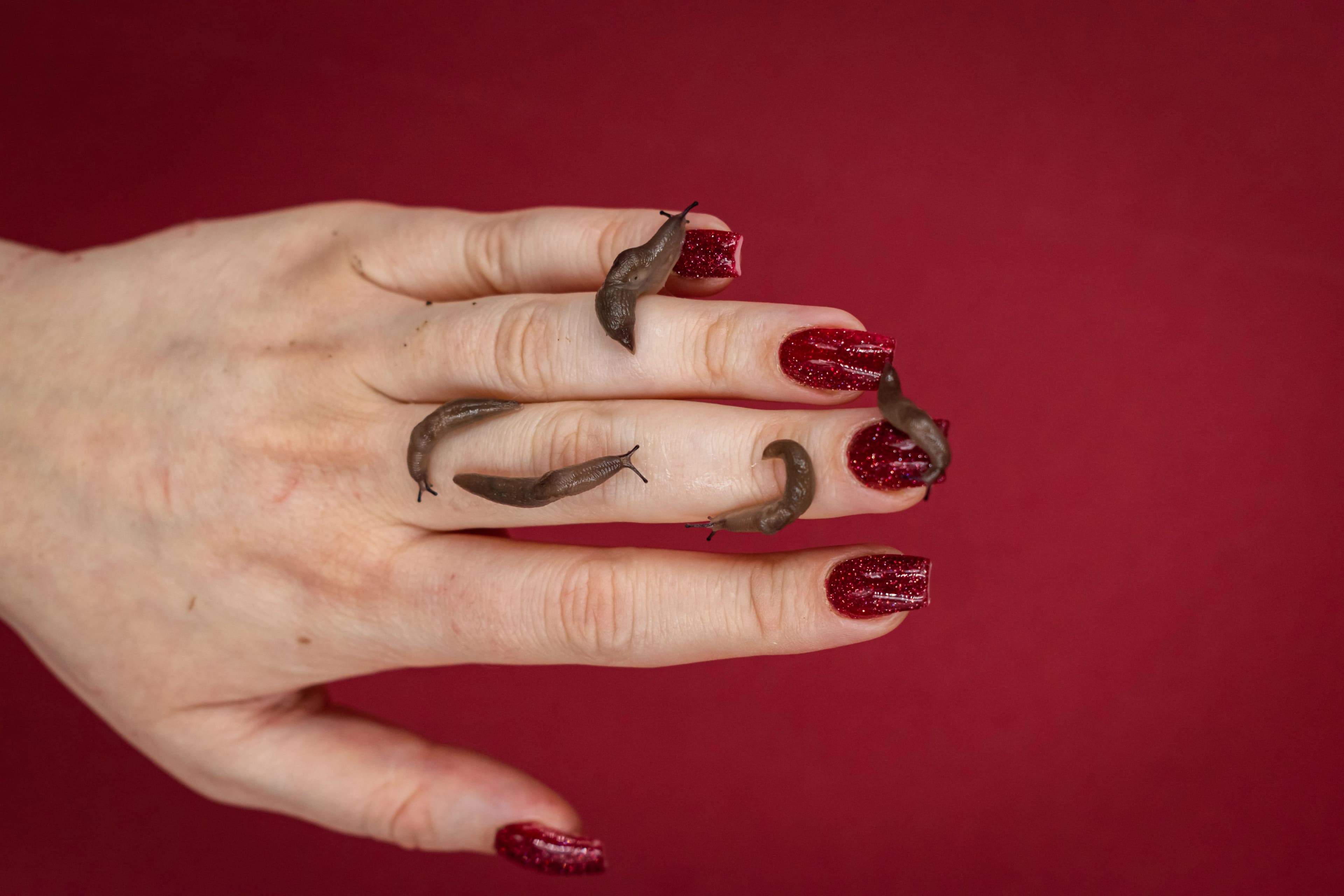
Medicinal leeches are applied to skin to release healing compounds and improve local blood flow.
Ancient bloodletting, rediscovered with purpose.
At a glance
What it is
Medicinal leeches are applied to skin to release healing compounds and improve local blood flow.
Why explore it
Leech saliva has been used for centuries to ease joint discomfort and support healthy circulation.
How it’s experienced
A practitioner places leeches on targeted areas for up to an hour, with only a mild pulling sensation.
Evidence context
Early studies show promise for joint pain and circulation, but larger trials are still needed.
See the evidence snapshotSafety
Use only trained practitioners with medical-grade leeches, especially if you take blood thinners.
See staying safeHistory & Origin
Leech therapy, known clinically as hirudotherapy, is an ancient healing practice that has found a renewed place in both modern medicine and alternative wellness. It involves the controlled application of live medicinal leeches — most commonly Hirudo medicinalis — to the skin, where they attach, draw blood, and simultaneously introduce a complex cocktail of bioactive compounds through their saliva. These compounds have been studied for their anticoagulant, anti-inflammatory, and vasodilatory properties, making leech therapy one of the more scientifically intriguing practices at the intersection of traditional medicine and contemporary research.
In regulated clinical settings, the U.S. Food and Drug Administration (FDA) has cleared medicinal leeches as a medical device specifically for use in microsurgery and reconstructive procedures — particularly to restore circulation to reattached digits, skin grafts, and flaps at risk of venous congestion. This remains the most evidence-backed application of leech therapy in the United States. Outside of this surgical context, hirudotherapy is also practiced by alternative health practitioners who suggest it may support circulation, ease musculoskeletal discomfort, and address a range of conditions rooted in blood stagnation — concepts that align more closely with traditional medical frameworks than with current clinical evidence.
It's important to understand that the alternative wellness use of leech therapy operates in a different regulatory space than its FDA-cleared surgical application. Unregulated or unsupervised use carries real risks, including infection from Aeromonas hydrophila bacteria naturally present in leech gut flora. Only medical-grade leeches sourced from certified suppliers should ever be used, and practitioners should have appropriate training. Individuals considering leech therapy for general wellness purposes are encouraged to consult a licensed healthcare provider before pursuing treatment.
Leech therapy is one of the oldest recorded medical practices in human history, with documented use stretching back more than 2,500 years. Ancient Egyptian, Greek, Roman, and Indian medical traditions all employed leeches as a tool for bloodletting — a therapeutic approach grounded in the belief that removing excess or corrupted blood could restore balance and health. In classical Greek medicine, leeches were used to draw blood from areas where cupping or venesection was impractical, and their application was described by physicians whose writings shaped centuries of Western medical thought.
During the 18th and 19th centuries, leech therapy reached peak popularity in Europe and North America, driven by the widespread acceptance of humoral theory. Demand for medicinal leeches became so great that wild leech populations were significantly depleted across parts of Europe, prompting the development of leech farms. As germ theory and evidence-based medicine emerged in the late 19th century, bloodletting practices — including leech therapy — fell sharply out of favor.
The modern revival of hirudotherapy came in the late 20th century, when surgeons began using leeches to solve a persistent challenge in reconstructive surgery: venous congestion in reattached tissue. This rediscovery of a practical clinical application led to renewed scientific interest in leech biology and eventually to FDA clearance in the United States. Today, leech therapy occupies a dual identity — a validated surgical tool and a living tradition in alternative and integrative medicine.
Mechanism
Leech therapy works through both the physical act of controlled bloodletting and the powerful biochemical properties of leech saliva.
Your first visit
A typical session outline to help you feel prepared
A hirudotherapy session involves medicinal leeches placed on targeted skin areas, where they feed gently for up to 45 minutes while their saliva works its natural magic.
Your practitioner will go over your health history, current medications, and any concerns to confirm leech therapy is appropriate for you. This is a great time to ask questions.
The skin where leeches will be applied is cleaned thoroughly — no lotions, oils, or soaps, as these can deter the leeches from attaching properly. You may be asked to warm the area slightly.
Medicinal leeches are applied one at a time to specific sites on your skin using a small cup or tube. Your practitioner chooses placement based on your individual needs and goals for the session.
Each leech bites and attaches within a minute or two. You may feel a faint pinch or nothing at all, thanks to natural anesthetic compounds in the leech's saliva — most people are pleasantly surprised.
Once attached, leeches feed quietly for 20 to 45 minutes. You'll rest comfortably during this time. A mild warmth or gentle tingling sensation around the bite sites is completely normal.
When feeding is complete, leeches detach on their own or are gently removed by your practitioner. They are never reused — each leech is used once and safely disposed of afterward.
The bite sites will bleed for a short while, which is expected and part of the process. Your practitioner will apply clean bandages and monitor the sites before you leave.
You'll receive clear instructions on caring for the bite sites at home, what to watch for, and how long minor bleeding or bruising may last — typically a day or two.
The Evidence
What research says about hirudotherapy — from its strongest clinical applications to areas where evidence remains limited.
Strong in surgery, preliminary elsewhere
Leech therapy has well-supported clinical use in reconstructive microsurgery, where it is FDA-cleared for managing venous congestion. Evidence for broader wellness applications — including joint pain and inflammation — exists but remains preliminary and methodologically limited.
Medicinal leeches are FDA-cleared as a medical device for restoring circulation in microsurgical settings — including reattached digits and compromised skin flaps. This application is supported by controlled clinical experience and is the most evidence-backed use of hirudotherapy. Evidence for other applications is considerably less established.
Studies on leech therapy for knee osteoarthritis and epicondylitis have reported symptom improvements in some participants. However, most trials are small, lack blinding, and use inconsistent methods. Researchers are actively investigating the bioactive compounds in leech saliva, but broader clinical conclusions cannot yet be drawn from available data.
Hirudin, a naturally occurring anticoagulant in leech saliva, inhibits thrombin and helps maintain local blood flow. Other compounds — including hyaluronidase and vasodilatory peptides — are being studied for anti-inflammatory and microcirculatory effects. These mechanisms are better characterised in surgical contexts than in general wellness applications.
Aeromonas hydrophila, a bacterium in leech gut flora, can cause serious wound infections, particularly in immunocompromised individuals. Only medical-grade leeches from certified suppliers should be used. Patients on anticoagulants or antiplatelet medications face compounded bleeding risk. Allergic reactions to leech saliva have been reported. All sessions require a qualified practitioner.
Ancient Egyptian, Greek, Roman, and Ayurvedic traditions all used leeches, primarily within humoral frameworks of bloodletting. European use peaked in the 18th and 19th centuries before declining with the rise of evidence-based medicine. Modern hirudotherapy draws on this history while grounding its rationale in the pharmacological properties of leech saliva rather than historical theory.
Leech therapy should only be performed by trained practitioners using certified medical-grade leeches. Leeches must never be reused between patients. Individuals with bleeding disorders, compromised immunity, or relevant medication use should consult a qualified health professional before considering this modality. It is not a substitute for professional assessment or medical care.
Safety first
General guidance to help you decide whether this approach is appropriate for you. This is informational only and not a substitute for medical, psychological, or professional advice.
If you are pregnant, managing a health condition, recovering from injury or surgery, or taking medication, consult a qualified healthcare professional first.
Some situations call for extra care or a different approach. Share any conditions, injuries, or sensitivities with your practitioner before your first session.
Look for clear boundaries, transparent pricing, and practitioners who avoid fear-based claims or pressure to book frequent sessions.
Mild, short-lived effects such as tenderness, tiredness, or temporary soreness can occur. Rest, hydrate, and tell your practitioner how you respond.
For you?
A simple, human way to weigh it up. This is general guidance, not personal medical advice — a qualified practitioner can advise on your situation.
Gyfts is a discovery platform, not a medical provider. Nothing here diagnoses, treats or replaces professional care. In an emergency, contact your local emergency number.
In their words
Before you book
FAQ
The FDA has cleared medicinal leeches as a medical device specifically for use in microsurgery and reconstructive procedures — such as managing venous congestion in reattached tissue or skin grafts. This clearance does not extend to general wellness applications. Alternative use of leech therapy outside a clinical surgical context is not FDA-approved and operates under a different regulatory framework.
Most people describe the initial attachment as a mild pinch or brief stinging sensation. Leech saliva contains natural anesthetic compounds that typically reduce discomfort shortly after attachment, and many individuals report feeling little sensation during the feeding period itself. Individual experiences vary, and some people may feel more sensitivity depending on the treatment area and their personal pain threshold.
The primary risks include infection from Aeromonas hydrophila bacteria naturally present in leech gut flora, prolonged bleeding at the bite site due to anticoagulant compounds in leech saliva, and rare allergic reactions. Risk is significantly reduced when only certified medical-grade leeches from reputable suppliers are used by trained practitioners. Anyone with a bleeding disorder, weakened immune system, or who takes anticoagulant medications should consult their healthcare provider before considering this therapy.
References
Educational sources that inform this overview. Inclusion is for context and does not imply endorsement.
Full citations are maintained by the Gyfts editorial team and reviewed periodically.
Keep exploring
Browse practitioners, explore honest overviews, and take what you learn to a conversation — at your own pace.