What it is
A certified therapist combines gentle drainage, compression, exercise, and skin care to ease chronic swelling.
Gentle care for a more comfortable, mobile life.
At a glance
What it is
A certified therapist combines gentle drainage, compression, exercise, and skin care to ease chronic swelling.
Why explore it
It can reduce limb swelling, improve mobility, and is widely recommended after cancer treatment.
How it’s experienced
Expect rhythmic massage, compression fitting, guided exercises, and self-care tips you can use at home.
Evidence context
Clinical guidelines strongly back this therapy, giving it stronger evidence than most complementary approaches.
See the evidence snapshotSafety
Very safe with a certified therapist, but get a formal diagnosis and rule out infection or DVT first.
See staying safeHistory & Origin
Lymphedema therapy is a specialized, clinically-oriented form of care designed to support individuals living with lymphedema — a chronic condition characterized by abnormal accumulation of protein-rich fluid in body tissues, most commonly in the arms or legs. This accumulation occurs when the lymphatic system is damaged or not functioning properly, often as a result of cancer treatment, surgery, infection, or congenital differences. Lymphedema therapy encompasses a structured set of techniques aimed at facilitating lymphatic drainage, reducing swelling, and helping individuals manage their condition over the long term.
The gold standard approach in lymphedema therapy is a comprehensive treatment protocol known as Complete Decongestive Therapy (CDT), which typically incorporates four key components: manual lymphatic drainage (MLD), compression bandaging or garments, therapeutic exercise, and meticulous skin and nail care. Each component plays a distinct role — MLD uses gentle, rhythmic massage strokes to redirect lymph fluid away from congested areas; compression garments help maintain the reductions achieved during treatment; movement and exercise support natural lymphatic flow; and skin care reduces the risk of infection, which people with lymphedema are particularly susceptible to.
Lymphedema therapy is most commonly provided by certified lymphedema therapists (CLTs) — healthcare professionals, including physical therapists, occupational therapists, and massage therapists, who have completed specialized training and certification in lymphatic care. While not a cure for lymphedema, consistent therapy may be associated with meaningful improvements in limb volume, tissue health, comfort, and quality of life. It is widely recognized within conventional medicine as a medically necessary intervention and is often recommended alongside oncology care, post-surgical rehabilitation, and long-term chronic disease management.
The foundations of modern lymphedema therapy trace back to the early 20th century, when Danish physicians Emil Vodder and his wife Estrid Vodder developed a systematic approach to manual lymphatic drainage in the 1930s while working on the French Riviera. Initially met with skepticism from the medical establishment, the Vodders spent years refining their technique before formally presenting it to the scientific community in Paris in 1936. Their work laid the groundwork for what would become a distinct clinical discipline.
Over subsequent decades, European practitioners — particularly in Germany and Austria — expanded upon these techniques and began integrating them with compression therapy and exercise to create more comprehensive treatment protocols. The formal structure of Complete Decongestive Therapy is closely associated with the work of researchers and clinicians who further codified its components during the latter half of the 20th century.
As awareness of lymphedema — particularly as a consequence of breast cancer surgery and radiation — grew during the 1980s and 1990s, demand for specialized therapy expanded significantly in North America. Professional certification bodies and specialized training programs emerged to standardize care. Today, lymphedema therapy is recognized as a medically necessary clinical specialty, practiced by certified therapists in hospitals, cancer centers, rehabilitation clinics, and private practices worldwide.
Mechanism
Lymphedema therapy works by supporting and redirecting the body's lymphatic drainage pathways through a combination of hands-on techniques and self-management strategies.
Your first visit
A typical session outline to help you feel prepared
A lymphedema therapy session combines gentle hands-on techniques and practical coaching to help your body manage fluid and feel more comfortable.
Your therapist will ask about your medical history, current symptoms, and any changes in your limb since your last visit, so the session can be tailored to where you are today.
The therapist gently examines your affected limb, checking for swelling, skin texture, and tissue firmness. This hands-on look guides everything that follows and usually takes just a few minutes.
Before any massage begins, your therapist will inspect your skin closely for any irritation or breaks, since healthy skin is essential for safe lymphedema care. You may apply a prescribed moisturizer at this point.
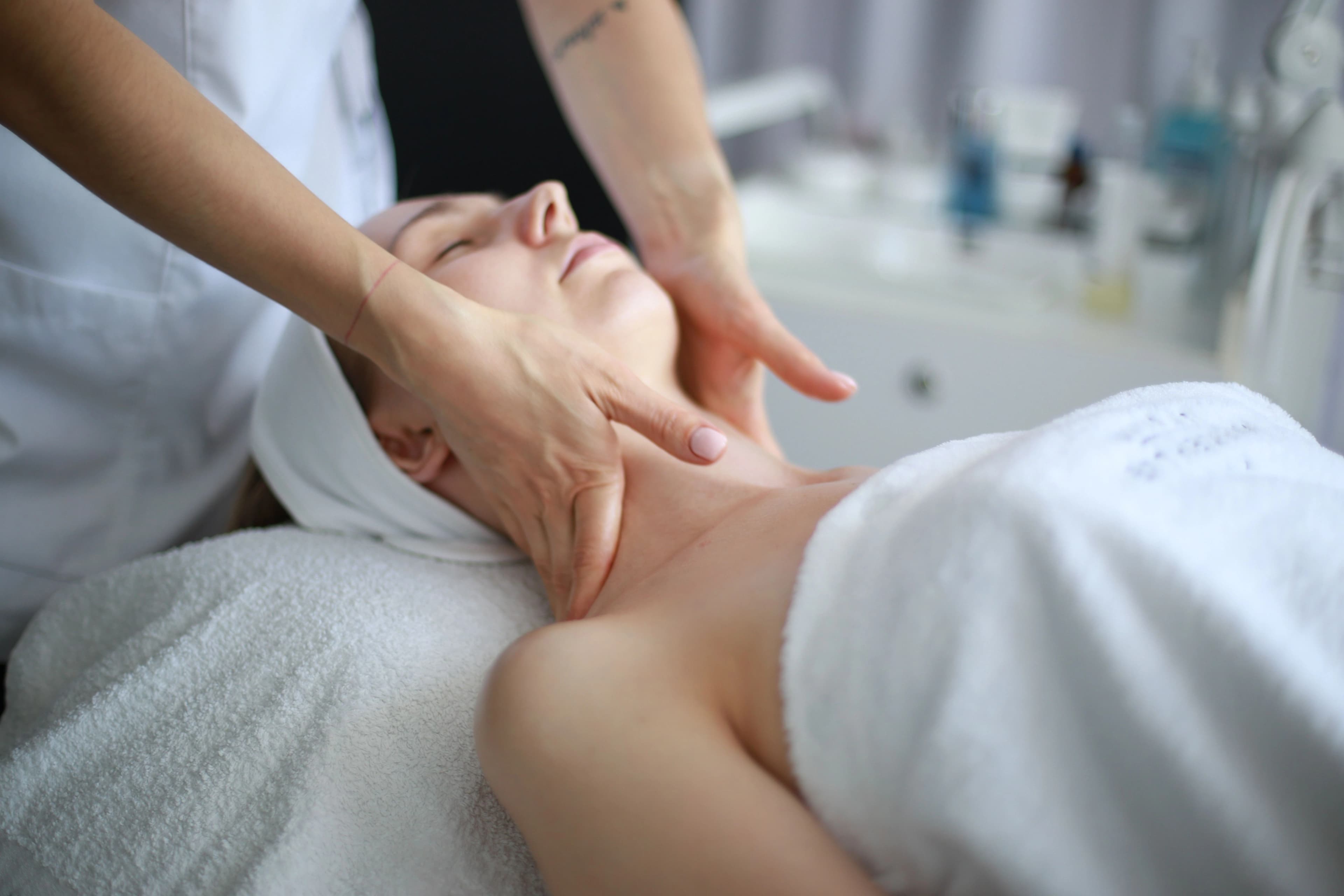
Using very light, slow, rhythmic strokes, your therapist guides fluid away from congested areas toward healthy lymph nodes. The touch is surprisingly gentle, almost feather-light, and most people find it deeply relaxing.
After drainage, your therapist applies multi-layer compression bandaging or helps you into a compression garment to hold the progress made during the session and prevent fluid from returning.
Your therapist walks you through exercises, self-massage moves, and skin-care steps you can practice at home between visits. You are encouraged to ask questions and go at your own pace.
Your therapist reviews how the session went, notes any changes in your limb, and helps you plan your next appointment. You will leave with clear guidance on what to do and watch for before you return.
The Evidence
What research and clinical practice say about lymphedema therapy and its role in managing chronic lymphatic swelling.
One of the best-supported complementary rehabilitation approaches
Lymphedema therapy, particularly Complete Decongestive Therapy, is backed by multiple clinical trials and systematic reviews and is endorsed by major oncology and rehabilitation bodies. Evidence is strongest for cancer-related lymphedema, especially following breast cancer treatment.
Multiple systematic reviews and randomised controlled trials support CDT's effectiveness in reducing limb volume and improving quality of life. Evidence is most robust for breast cancer-related lymphedema. Research in primary lymphedema and other secondary forms is growing but more limited in scope and sample size.
Lymphedema therapy is endorsed by oncology societies, lymphology associations, and rehabilitation bodies internationally. CDT is widely integrated into post-cancer rehabilitation pathways. This level of institutional recognition reflects the consistency of positive findings across independent research groups and clinical settings.
As part of an integrated care plan, CDT is coordinated alongside oncology follow-up, surgical options such as lymphovenous anastomosis, and pharmacological management of recurrent skin infections. Seekers undergoing active cancer monitoring or post-surgical recovery should ensure their lymphedema therapist communicates directly with their specialist team to align session timing and compression protocols with broader medical management.
While CDT as a whole is well-supported, individual components vary in evidence quality. Some studies are limited by small sample sizes, inconsistent outcome measures, or short follow-up periods. Evidence for specific populations — including children, older adults, and those with non-cancer-related lymphedema — remains an active area of research with less certainty.
Key precautions include active skin infection, untreated deep vein thrombosis, acute cardiac or renal insufficiency, and active malignancy in the session area — all require specialist clearance before proceeding. Compression garments must be professionally fitted. Self-massage techniques should only be practised after formal instruction from a certified therapist.
Look for therapists holding recognised certification in lymphedema management, such as those credentialled through established lymphology or rehabilitation bodies. A qualified practitioner will conduct a thorough intake, coordinate with your medical team, and tailor the programme to your specific presentation. Always disclose your full health history before beginning.
Safety first
General guidance to help you decide whether this approach is appropriate for you. This is informational only and not a substitute for medical, psychological, or professional advice.
If you are pregnant, managing a health condition, recovering from injury or surgery, or taking medication, consult a qualified healthcare professional first.
Some situations call for extra care or a different approach. Share any conditions, injuries, or sensitivities with your practitioner before your first session.
Look for clear boundaries, transparent pricing, and practitioners who avoid fear-based claims or pressure to book frequent sessions.
Mild, short-lived effects such as tenderness, tiredness, or temporary soreness can occur. Rest, hydrate, and tell your practitioner how you respond.
For you?
A simple, human way to weigh it up. This is general guidance, not personal medical advice — a qualified practitioner can advise on your situation.
Gyfts is a discovery platform, not a medical provider. Nothing here diagnoses, treats or replaces professional care. In an emergency, contact your local emergency number.
In their words
Before you book
FAQ
The number of sessions varies depending on the severity of lymphedema, its location, and individual response to treatment. The intensive decongestive phase may involve daily or near-daily sessions for two to four weeks, followed by a maintenance phase with less frequent visits. Your certified lymphedema therapist will develop an individualized plan and adjust it based on your progress.
Many health insurance plans in the United States cover lymphedema therapy when it is prescribed by a physician and provided by a certified lymphedema therapist, particularly when linked to a documented medical diagnosis. Coverage for compression garments varies significantly by plan. It is advisable to contact your insurance provider directly and ask your therapist's office to verify your specific benefits before beginning treatment.
Yes — self-management is an integral part of lymphedema care. Certified therapists typically teach patients self-manual lymphatic drainage, proper compression garment use, skin care routines, and therapeutic exercises that can be performed at home between sessions. Consistent adherence to a home program is widely considered essential for maintaining the gains made during clinical treatment and preventing progression of the condition.
References
Educational sources that inform this overview. Inclusion is for context and does not imply endorsement.
Full citations are maintained by the Gyfts editorial team and reviewed periodically.
Keep exploring
Browse practitioners, explore honest overviews, and take what you learn to a conversation — at your own pace.