What it is
Hands-on care using joint and soft tissue techniques to ease pain and improve movement.
Skilled hands supporting your body's natural movement.
At a glance
What it is
Hands-on care using joint and soft tissue techniques to ease pain and improve movement.
Why explore it
Great for back pain, neck stiffness, and headaches, often paired with exercise for lasting relief.
How it’s experienced
A licensed practitioner uses targeted hand pressure; mild soreness afterward is normal and brief.
Evidence context
One of the better-researched options for back pain, neck pain, and cervicogenic headaches.
See the evidence snapshotSafety
Low-risk with a licensed provider after screening, but share your full health history upfront.
See staying safeHistory & Origin
Manual therapy is a category of hands-on clinical practice in which trained practitioners use their hands to assess, mobilize, and manipulate soft tissues, joints, and surrounding structures. It encompasses a range of techniques including joint mobilization, spinal manipulation, myofascial release, and soft tissue massage, and is delivered by licensed professionals such as physical therapists, osteopathic physicians, chiropractors, and massage therapists. The goal is generally to address movement restrictions, reduce discomfort, and support the body's natural capacity for recovery and function.
Unlike passive treatments that rely on devices or pharmaceuticals, manual therapy is fundamentally interactive — the practitioner responds in real time to the tissue feedback they receive, adapting pressure, direction, and rhythm based on the individual. This responsiveness is one of the reasons practitioners often describe manual therapy as both a science and a skill that deepens with clinical experience. Sessions may focus on a specific region, such as the lumbar spine or shoulder girdle, or may take a broader, whole-body approach depending on the presenting concern.
Manual therapy is widely integrated into mainstream rehabilitation settings and is commonly used alongside exercise therapy, patient education, and other evidence-informed interventions. It is one of the most researched hands-on modalities in modern healthcare, with a substantial body of clinical literature examining its effects on musculoskeletal pain, mobility, and physical function. While it is not a substitute for medical diagnosis or treatment of underlying pathology, manual therapy may play a meaningful supportive role in a comprehensive approach to movement health and physical well-being.
Hands-on healing is among the oldest forms of medicine documented across human cultures. Ancient Egyptian, Chinese, Greek, and Indian medical traditions all described techniques for manipulating the body to relieve pain and restore function, suggesting that the instinct to use touch as a healing tool is deeply embedded in human history.
In the Western tradition, the formalization of manual therapy as a clinical discipline accelerated significantly in the 19th century. Andrew Taylor Still, an American physician, developed osteopathic medicine in the 1870s, emphasizing the relationship between the musculoskeletal system and overall health. Shortly afterward, Daniel David Palmer founded chiropractic in the 1890s, centering his approach on spinal adjustment. Physical therapy as a profession also emerged around the early 20th century, incorporating manual techniques alongside exercise and rehabilitation.
Over the 20th century, researchers and clinicians worked to systematize and study these techniques more rigorously. Figures in manual therapy education developed biomechanical and neurological frameworks that moved the field toward greater clinical standardization. Today, manual therapy is taught in accredited graduate programs worldwide and is practiced within regulated healthcare professions, reflecting its evolution from a diverse set of traditional practices into a field grounded in anatomy, physiology, and clinical evidence.
Mechanism
Manual therapy is believed to produce its effects through a combination of mechanical tissue changes, neurological pain modulation, and the therapeutic context of skilled, individualized care.
Your first visit
A typical session outline to help you feel prepared
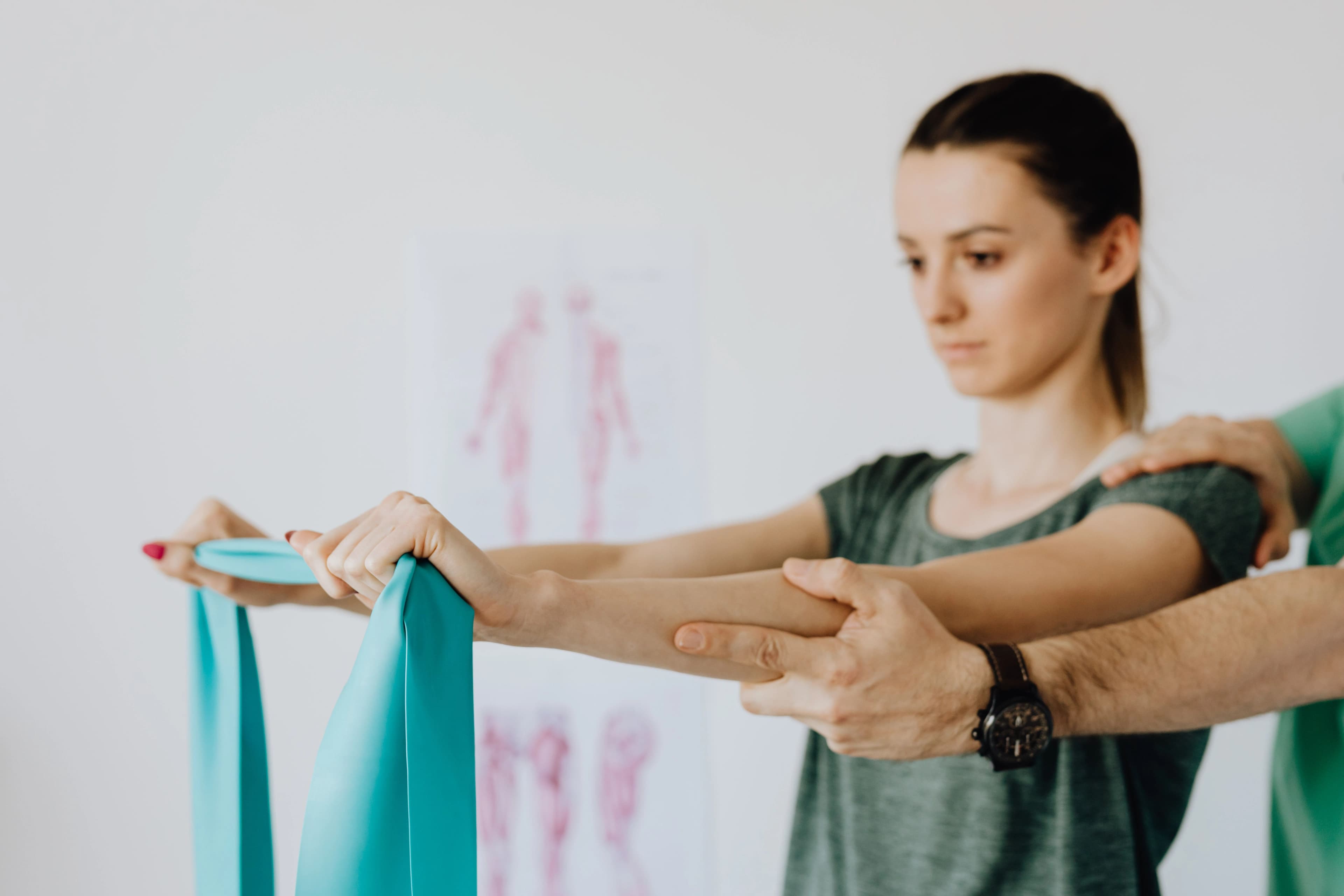
A manual therapy session blends hands-on assessment and skilled physical techniques to help your body move more freely and feel more at ease.
Your practitioner will greet you and ask about your symptoms, medical history, and what brought you in. This conversation helps them understand your goals and any areas to approach with extra care.
You'll stand or move through a few simple motions while your practitioner observes your posture, range of motion, and movement patterns. This helps them identify which joints or tissues need attention during the session.
You'll typically lie on a padded treatment table, fully clothed or partially draped depending on the techniques planned. Your practitioner will explain what they intend to do and check that you're com
Your practitioner may begin with myofascial release or massage-like techniques to warm up muscles and connective tissue. You might feel gentle sustained pressure, stretching, or a slow release of tension in tight areas.
Depending on your needs, your practitioner will move specific joints through controlled ranges of motion. You may hear or feel a pop with spinal manipulation, which is normal and usually accompanied b
Your practitioner works through the key problem areas identified during assessment, adjusting pressure and technique based on your feedback. Let them know if anything feels too intense or uncomfortable at any point.
Near the end of the session, you'll be asked to move again or stand up so your practitioner can compare your range of motion to where you started. This helps both of you gauge how your body responded.
Your practitioner will share recommendations such as stretches, movement tips, or hydration reminders to support your body after the session. Mild soreness in the worked areas is common and usually fa
The Evidence
What the research says about manual therapy, where the evidence is strongest, and what to keep in mind when considering it.
One of the better-studied hands-on approaches in musculoskeletal care
Manual therapy has a substantial body of peer-reviewed research supporting its use for musculoskeletal pain, particularly in the back, neck, and shoulders. Effect sizes are often moderate, and it works best as part of a broader care plan rather than a standalone approach.
Randomized controlled trials and systematic reviews have found meaningful benefits for low back pain, neck pain, and cervicogenic headaches. Major clinical guidelines from bodies in the US, UK, and Europe include spinal mobilization and manipulation as recommended options for acute and chronic musculoskeletal pain. Effect sizes are generally moderate, and combining manual therapy with active exercise tends to produce better outcomes than either approach alone.
Blinding participants in manual therapy trials is inherently difficult, which can inflate perceived effects. Technique definitions vary across studies, making direct comparisons hard. Evidence is stronger for spinal and shoulder complaints than for many other applications. Benefit duration is often short to medium term, and it is not always clear which specific technique drives observed improvements.
On this platform, manual therapy sits within the Complementary category — meaning it is most effective when integrated with active rehabilitation, lifestyle factors, and where relevant, conventional medical assessment. It is not a substitute for professional evaluation of underlying conditions, and practitioners should be working collaboratively within a broader care context rather than in isolation.
Absolute contraindications include fracture, active bone malignancy, acute infection, and severe vascular compromise. Relative cautions include osteoporosis, inflammatory joint conditions, anticoagulant use, and hypermobility. High-velocity cervical manipulation carries a small documented risk of adverse events; thorough screening before applying these techniques is considered standard practice. Mild post-session soreness is common and usually short-lived.
Licensed providers include physical therapists, osteopathic physicians, chiropractors, and massage therapists, each with different training, scope, and regulatory frameworks depending on your country. Always verify credentials and registration with the relevant professional body. A good practitioner will take a full health history, explain their approach, and refer on if your needs fall outside their scope.
At the tissue level, techniques may reduce localized restrictions in joints and connective tissue and improve range of motion. At the neurological level, stimulation of mechanoreceptors in joint capsules may influence how the nervous system processes pain signals — a response thought to contribute to the short-term relief many people report. Research into these mechanisms is ongoing and not yet fully resolved.
Safety first
General guidance to help you decide whether this approach is appropriate for you. This is informational only and not a substitute for medical, psychological, or professional advice.
Some situations call for extra care or a different approach. Share any conditions, injuries, or sensitivities with your practitioner before your first session.
Mild, short-lived effects such as tenderness, tiredness, or temporary soreness can occur. Rest, hydrate, and tell your practitioner how you respond.
If you are pregnant, managing a health condition, recovering from injury or surgery, or taking medication, consult a qualified healthcare professional first.
Look for clear boundaries, transparent pricing, and practitioners who avoid fear-based claims or pressure to book frequent sessions.
For you?
A simple, human way to weigh it up. This is general guidance, not personal medical advice — a qualified practitioner can advise on your situation.
Gyfts is a discovery platform, not a medical provider. Nothing here diagnoses, treats or replaces professional care. In an emergency, contact your local emergency number.
In their words
Before you book
FAQ
While both involve hands-on touch, manual therapy is a clinically focused practice delivered by licensed healthcare professionals such as physical therapists, chiropractors, or osteopathic physicians, typically as part of a structured treatment plan. It includes techniques such as joint mobilization and spinal manipulation that go beyond soft tissue work alone. Massage therapy, while also a skilled and beneficial practice, generally focuses on muscle relaxation and stress relief rather than joint mechanics or rehabilitation goals.
The number of sessions varies depending on the individual, the nature of the concern, and how the body responds to treatment. Many people notice some change within the first few sessions, and a typical course of care for a musculoskeletal complaint might range from four to twelve sessions. Your practitioner should be able to give you a more personalized estimate after an initial assessment and should reassess progress regularly.
The audible pop or crack that sometimes occurs during spinal manipulation is thought to be caused by a rapid change in pressure within the joint space, often described as cavitation of synovial fluid. Current evidence does not suggest this sound is harmful or that it is necessary for the technique to be effective. If you find the sound or sensation uncomfortable, let your practitioner know — many effective manual therapy techniques do not involve any audible release.
References
Educational sources that inform this overview. Inclusion is for context and does not imply endorsement.
Full citations are maintained by the Gyfts editorial team and reviewed periodically.
Keep exploring
Browse practitioners, explore honest overviews, and take what you learn to a conversation — at your own pace.