What it is
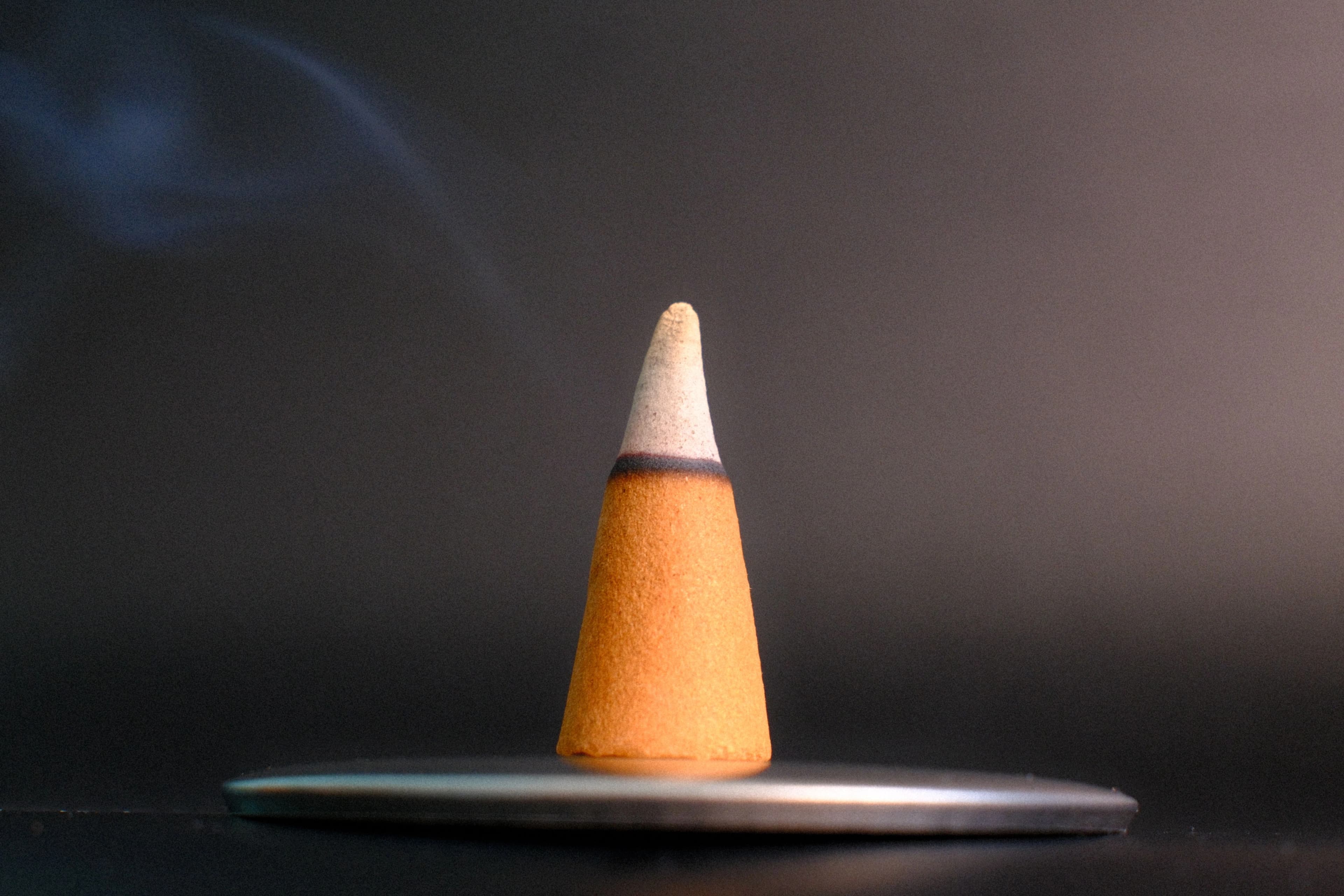
Mugwort cones burned on acupuncture points deliver focused heat to support warmth and vitality.
Ancient warmth, applied with intention and care.
At a glance
What it is
Mugwort cones burned on acupuncture points deliver focused heat to support warmth and vitality.
Why explore it
Moxa cone therapy may ease cold-type joint stiffness, low energy, and digestive or menstrual concerns.
How it’s experienced
A practitioner places small mugwort cones on key body points, tending carefully to your warmth and comfort.
Evidence context
Rooted in centuries of East Asian practice, though evidence is still limited and conventional care is advised.
See the evidence snapshotSafety
Burn risk is real, so always work with a trained practitioner and disclose all health conditions upfront.
See staying safeHistory & Origin
Moxa cone therapy is a form of traditional heat therapy rooted in East Asian medicine, in which small, cone-shaped bundles of dried mugwort herb (Artemisia argyi or Artemisia vulgaris) are placed directly or indirectly on specific points of the body and burned slowly to generate penetrating warmth. Unlike moxa stick therapy, where a cigar-shaped roll is held above the skin, cone moxibustion involves shaping the dried herb into precise, compact cones that are positioned on acupuncture points, sometimes placed on a medium such as a slice of ginger, garlic, or salt to create a protective barrier between the cone and the skin.
Within traditional Chinese medicine (TCM) and related East Asian healing systems, moxa cone therapy is traditionally used to tonify what practitioners describe as 'yang qi' — the warming, activating energy believed to support circulation, digestive function, and overall vitality. Practitioners have long used this technique as a complement to acupuncture, often applying it to the same meridian points to extend and reinforce treatment effects. The therapy is generally categorized as 'warming' in nature, and is traditionally employed during colder seasons or for individuals whom practitioners characterize as experiencing cold or deficient constitutional patterns.
Moxa cone therapy is practiced across many countries, including China, Japan, Korea, and Vietnam, with each tradition carrying its own refinements in cone size, placement, and application method. In the United States, it is typically offered within licensed acupuncture and TCM practices. Because it involves open flame and combustion, the therapy requires careful technique and a trained practitioner to minimize the risk of burns or discomfort. Individuals considering moxa cone therapy are encouraged to consult a qualified practitioner and speak with their primary healthcare provider, particularly if they have existing health conditions.
Moxibustion has been practiced in China for over two thousand years, with references to its use appearing in some of the foundational texts of traditional Chinese medicine, including the Huangdi Neijing (Yellow Emperor's Classic of Internal Medicine), which is estimated to date back to around the second century BCE. The technique is believed to have developed alongside or even prior to acupuncture, with some historical accounts suggesting that the application of heat to specific body points preceded the use of needles in early Chinese healing practices.
The practice spread throughout East Asia over centuries, becoming deeply integrated into the medical traditions of Japan, Korea, Vietnam, and other regions, each of which developed its own characteristic styles and applications. In Japan, a refined form of direct moxibustion using very small cones became particularly prominent, while Korean traditions developed distinct protocols often associated with constitutional medicine. The word 'moxibustion' itself derives from the Japanese word 'mogusa,' meaning mugwort, combined with the Latin 'combustio,' meaning burning — a linguistic blend reflecting the meeting of Eastern practice and Western documentation.
Throughout its history, moxa cone therapy has been closely associated with seasonal health maintenance, chronic condition support, and aging-related care within the cultures that developed it. It remains a widely practiced modality within licensed TCM and integrative health settings around the world today.
Mechanism
Moxa cone therapy works within a traditional East Asian medicine framework that views targeted heat application as a way to stimulate energy flow and support the body's natural balance.
Your first visit
A typical session outline to help you feel prepared
A moxa cone session combines a brief TCM assessment with the focused warmth of burning mugwort cones placed on specific points of your body.
Your practitioner greets you and asks about your health history, current concerns, and any previous experience with TCM or moxibustion. This conversation helps them understand your needs and tailor the session to you.
Using traditional Chinese medicine methods, your practitioner reads your pulse at both wrists and may examine your tongue. This takes just a few minutes and guides which acupuncture points will receive the moxa cones.
You'll be asked to lie on a treatment table and may need to expose certain areas of skin such as the lower back, abdomen, or legs. Wear or bring loose, comfortable clothing that can be easily rolled up or moved aside.
Your practitioner identifies and marks the specific acupuncture points on your body where the moxa cones will be placed. A protective medium such as ginger or salt may be placed on the skin first to h
Small hand-rolled cones of dried mugwort are placed on the prepared points and lit at the tip. Each cone burns slowly downward, generating a steady, penetrating warmth that many people describe as dee
As each cone burns you will feel a gentle spreading heat that moves inward rather than staying on the surface. Your practitioner monitors each cone closely and removes or replaces it before any discom
Several cones are typically applied to each point in succession, and your practitioner may work across multiple points during the session. The full treatment phase usually lasts between 30 and 60 minu
Once the session ends your practitioner will discuss what you experienced and may suggest staying hydrated, resting, and noting any shifts in how you feel over the next day or two. A series of session
The Evidence
What research and tradition tell us about moxa cone therapy, and what remains uncertain.
Centuries of practice; limited modern clinical evidence
Moxa cone therapy is supported by over two thousand years of use within East Asian medical traditions. Formal clinical research exists but is limited in scale and quality, and no major Western medical body endorses it as a first-line approach for any condition.
Existing studies on moxibustion are generally small, methodologically inconsistent, and have not been independently replicated at scale. Some findings — particularly around breech fetal presentation — are suggestive but not conclusive. Systematic reviews consistently note that the evidence base is insufficient to draw firm clinical conclusions.
Moxibustion appears in foundational TCM texts dating back over two thousand years and spread across Japan, Korea, Vietnam, and beyond — each developing distinct styles. Its theoretical basis involves stimulating warmth and flow along meridian pathways. This traditional framework is not equivalent to a biomedical mechanism, but reflects a coherent system of practice with deep historical roots.
No major Western clinical body currently recommends moxa cone therapy as a standard or evidence-based approach. Where it is used alongside conventional care, it is typically as a complementary option. Individuals managing active health conditions should discuss this therapy with their primary healthcare provider before starting.
Direct cone moxibustion carries a real risk of skin burns if heat is not carefully monitored. People with diabetes, peripheral neuropathy, or reduced skin sensation face elevated risk of undetected injury. Always work with a licensed practitioner, ensure good ventilation to manage smoke, and communicate any discomfort immediately. This is not suitable for self-administration without proper training.
Traditional practice advises against applying moxa cones over broken or infected skin, or to specific acupuncture points during pregnancy without qualified supervision. Respiratory conditions may be aggravated by moxa smoke. Anyone with impaired circulation or sensation should inform their practitioner before a session. This therapy is not a substitute for professional assessment of any underlying health concern.
Moxa cone therapy should be received from a practitioner trained in traditional Chinese medicine or a related East Asian system, ideally one who is licensed or registered under the regulatory framework of your country. Ask about their training, experience with moxibustion specifically, and how they manage heat intensity and safety during sessions.
Safety first
General guidance to help you decide whether this approach is appropriate for you. This is informational only and not a substitute for medical, psychological, or professional advice.
If you are pregnant, managing a health condition, recovering from injury or surgery, or taking medication, consult a qualified healthcare professional first.
Some situations call for extra care or a different approach. Share any conditions, injuries, or sensitivities with your practitioner before your first session.
Look for clear boundaries, transparent pricing, and practitioners who avoid fear-based claims or pressure to book frequent sessions.
Mild, short-lived effects such as tenderness, tiredness, or temporary soreness can occur. Rest, hydrate, and tell your practitioner how you respond.
For you?
A simple, human way to weigh it up. This is general guidance, not personal medical advice — a qualified practitioner can advise on your situation.
Gyfts is a discovery platform, not a medical provider. Nothing here diagnoses, treats or replaces professional care. In an emergency, contact your local emergency number.
In their words
Before you book
FAQ
Moxa cone therapy and acupuncture are distinct practices, though they are both rooted in traditional Chinese medicine and often used together. Acupuncture involves the insertion of thin needles into specific body points, while moxa cone therapy uses the heat of burning mugwort cones on or near those same points. Many licensed acupuncturists are also trained in moxibustion and may incorporate both modalities into a single session.
When performed correctly by a trained practitioner, moxa cone therapy is intended to produce a gradual, pleasant warmth rather than pain or burning. Indirect methods, which place the cone on a medium like ginger or salt, add a protective layer between the cone and your skin. However, direct moxibustion methods carry a small risk of minor burns or scarring if not carefully managed, so it is important to communicate any discomfort to your practitioner immediately.
The number of sessions recommended varies depending on the individual's health goals, the practitioner's assessment, and the specific application being addressed. Some practitioners suggest a series of weekly sessions over several weeks for ongoing support, while others may recommend less frequent maintenance visits. There is no universally standardized treatment protocol, and recommendations should be personalized by your practitioner.
References
Educational sources that inform this overview. Inclusion is for context and does not imply endorsement.
Full citations are maintained by the Gyfts editorial team and reviewed periodically.
Keep exploring
Browse practitioners, explore honest overviews, and take what you learn to a conversation — at your own pace.