What it is
Guided meditation paired with intentional soundscapes to deepen relaxation and emotional awareness.
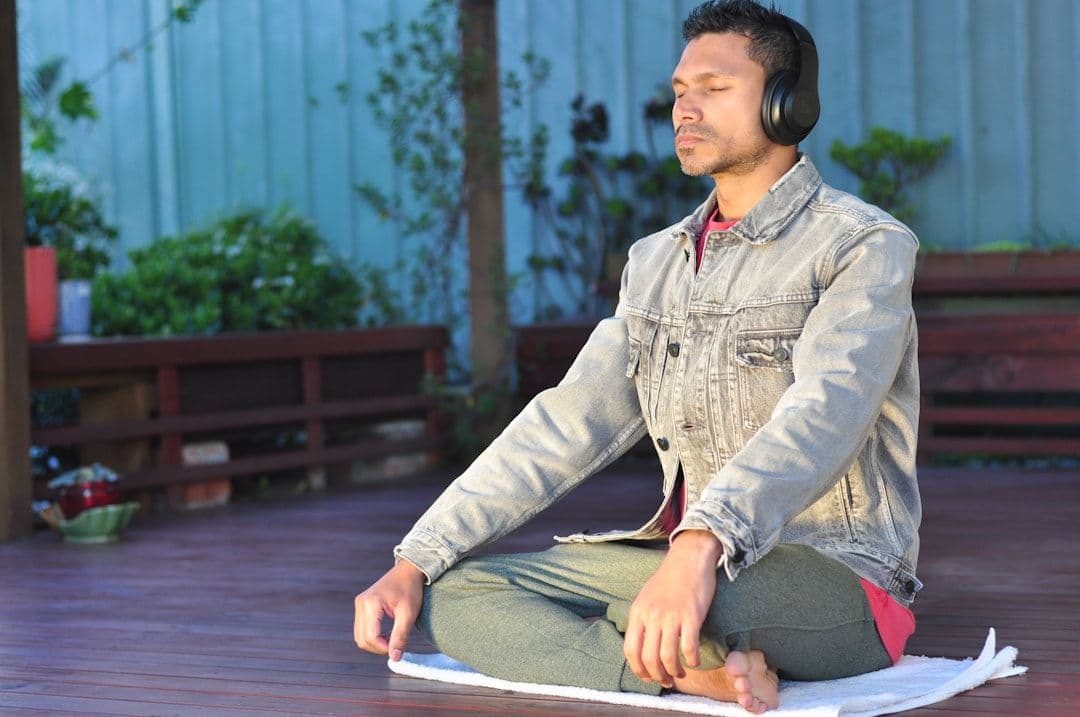
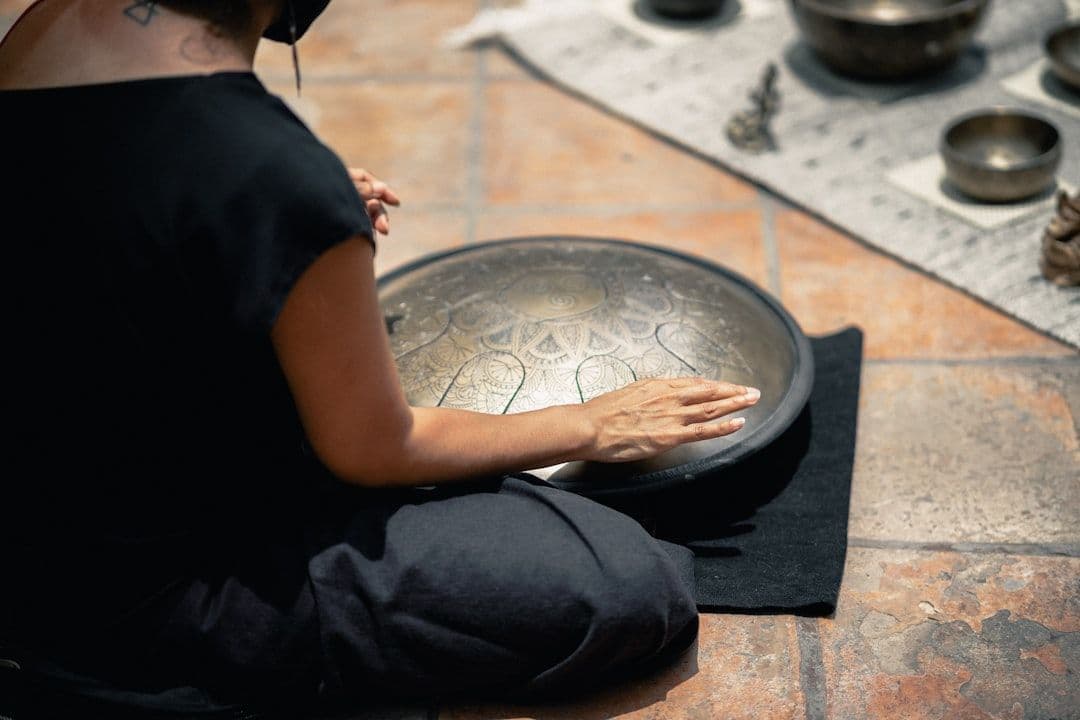
Music Meditation combines guided meditation with carefully selected music to deepen relaxation and promote emotional balance

At a glance
What it is
Guided meditation paired with intentional soundscapes to deepen relaxation and emotional awareness.
Why explore it
It may ease stress, support better sleep, and give your mind a gentle anchor during practice.
How it’s experienced
You rest quietly for 20 to 45 minutes, following breath and layered sound guided by voice or recording.
Evidence context
Meditation and music therapy each show promise separately, and early combined research looks encouraging.
See the evidence snapshotSafety
Generally low risk, but those with epilepsy, trauma, or mental health conditions should check with their provider first.
See staying safeHistory & Origin
Music Meditation involves meditation practices accompanied by music to enhance relaxation and inner peace.
Music has been intertwined with healing and spiritual practices across cultures for thousands of years. Ancient civilizations, including the Greeks, Egyptians, and Chinese, recognized the therapeutic power of sound and music in promoting health and well-being. In the 20th century, as Western interest in meditation and Eastern practices grew, practitioners began formally combining meditation techniques with curated musical compositions to amplify the meditative experience.
The modern formalization of Music Meditation emerged in the 1960s and 1970s, coinciding with broader Western adoption of meditation practices. Pioneers in both music therapy and mindfulness, such as Jon Kabat-Zinn and early sound healers, explored how specific frequencies, tempos, and harmonic structures could support deeper states of relaxation and awareness. This period saw the development of dedicated meditation music genres, including ambient, classical, and nature-based soundscapes specifically designed for contemplative practice.
The practice gained significant momentum with the rise of complementary health movements and the increasing scientific interest in meditation's benefits. Practitioners began documenting how different musical elements—such as binaural beats, specific instrumental choices, and tempo—could enhance meditative states. Today, Music Meditation is widely offered in wellness centers, yoga studios, spas, and through digital meditation apps, making it accessible to millions globally.
Key contributors include composers like Brian Eno, who pioneered ambient music for relaxation, and meditation teachers who integrated music into their instruction. The modality has evolved to include various styles, from classical and world music to electronic and nature sounds, allowing practitioners to find their preferred soundscapes.
Mechanism
Music Meditation is generally framed as a guided process for attention, reflection, learning, and emotional integration. Depending on the method, a practitioner may use conversation, imagery, structured exercises, body awareness, or therapeutic techniques to help the person explore patterns and choices. It should not be presented as a standalone solution or a substitute for urgent care, but it may support self-understanding when practiced within an appropriate scope. Music Meditation combines focused attention practices with carefully selected auditory stimuli to influence the nervous system.
Your first visit
A typical session outline to help you feel prepared
A Music Meditation session blends intentional sound selection with guided relaxation to help you reach a deeply restful, reflective state through the power of music.
Your practitioner greets you warmly and asks a few simple questions about what you're hoping to experience, such as stress relief, better sleep, or emotional calm.
You'll share what kinds of music or sounds resonate with you, from ambient tones to classical or nature-based soundscapes, so the playlist can be tailored just for you.
You settle into a reclining chair or mat, often with a blanket and eye mask offered, so your body can fully let go without distraction or discomfort.
Your practitioner guides you through a brief breathing exercise and invites you to set a gentle intention for the session, helping your mind begin to soften and focus inward.
Carefully curated music begins to play, gradually shifting in tempo and tone to lead you deeper into relaxation, while your practitioner offers occasional soft verbal cues to anchor the experience.
As the music unfolds, you may notice emotions, imagery, or physical sensations arising naturally, this is a normal and welcome part of letting the sound guide your inner experience.
The music slows and softens toward the session's end, and your practitioner gently brings your awareness back to the room at a pace that feels unhurried and grounding.
You share any thoughts or feelings that came up, and your practitioner may suggest journaling, hydration, or quiet time to help you integrate the experience after you leave.
The Evidence
What research says about Music Meditation, where the evidence is strong, and where gaps remain.
Promising foundations, but combined research is still limited
Meditation and music each have solid independent research support for stress reduction and emotional wellbeing. Studies specifically examining their combination are growing but remain small-scale, and stronger trials are needed before firm conclusions can be drawn.
Meditation and music therapy each have substantial peer-reviewed support for reducing anxiety, lowering cortisol, and improving mood. Research on Music Meditation as a combined practice is growing but mostly relies on small studies or observational data. Methodological limitations such as small sample sizes and lack of control groups mean findings should be interpreted cautiously.
Active research areas include cortisol reduction, heart rate variability, parasympathetic nervous system activation, and sleep quality. Some studies examine specific audio frequencies and their effects on relaxation states. This is an evolving field and findings from adjacent disciplines like music therapy and mindfulness science are informing new investigations.
Music Meditation is not part of standard clinical care pathways, but it draws on mechanisms studied in both music therapy and mindfulness research. It is best understood as a self-directed wellbeing practice that may complement professional support rather than replace it. Practitioners vary widely in training and approach.
Ancient Greek, Egyptian, and Chinese traditions all recognised music as a tool for promoting wellbeing. The modern formalisation of Music Meditation emerged in the 1960s and 1970s alongside Western adoption of mindfulness. Dedicated genres including ambient and nature soundscapes were developed specifically to support meditative states.
People with severe depression, bipolar disorder, psychosis, or epilepsy should speak with their healthcare provider before beginning, as deep meditative states or certain audio stimuli may produce unexpected responses. Music Meditation is not a substitute for professional assessment or treatment of serious medical or mental health conditions. For most healthy adults, the risk profile is low.
Most studies on Music Meditation are small, short-term, and lack rigorous controls. It is not appropriate to present this practice as a standalone solution for clinical conditions. Benefits reported in research are generally modest and context-dependent. Individuals seeking support for diagnosed conditions should work with qualified professionals alongside any complementary practice.
Safety first
General guidance to help you decide whether this approach is appropriate for you. This is informational only and not a substitute for medical, psychological, or professional advice.
If you are experiencing severe distress, suicidal thoughts, psychosis, acute trauma, or another serious mental health concern, seek qualified support first.
This approach is not suitable for diagnosis, treatment instructions, or decisions that require medical, legal, financial, or professional advice.
Look for clear boundaries, transparent pricing, and practitioners who avoid fear-based claims or pressure to book frequent sessions.
Treat any insight as one reflective perspective, not absolute truth. Important decisions should be considered with appropriate professional support.
For you?
A simple, human way to weigh it up. This is general guidance, not personal medical advice — a qualified practitioner can advise on your situation.
Gyfts is a discovery platform, not a medical provider. Nothing here diagnoses, treats or replaces professional care. In an emergency, contact your local emergency number.
Explore approaches
Other practices people often explore alongside music meditation.
In their words
FAQ
A typical session begins with a brief consultation about your goals and preferences. You then settle into a comfortable position in a quiet space. The practitioner guides you through breathing or grounding techniques, then introduces carefully selected music designed to support relaxation and meditation. Guidance may continue throughout the session via gentle verbal cues or affirmations. The session typically lasts 30–60 minutes, concluding with a gentle return to normal awareness.
Many people experience immediate relaxation during their first session. However, cumulative benefits—such as sustained stress reduction, improved sleep, and deeper emotional clarity—typically develop over 4–8 weeks of regular practice. The frequency and duration of sessions, individual responsiveness, and consistency with home practice all influence how quickly you notice changes. Starting with weekly sessions is often recommended.
While related, they differ in focus. Music Meditation primarily uses music as a support for meditation and mindfulness, with the goal of deepening your meditative state. Sound healing, by contrast, uses specific frequencies, tones, and vibrational patterns with the intention of directly balancing energy or promoting physical healing. Both can be beneficial, but they have different aims and techniques.
Yes. Once you have learned the basics in a guided session, many practitioners provide recordings or recommend specific music playlists for home practice. This allows you to deepen your practice between sessions and develop consistency. However, initial sessions with a trained practitioner help ensure proper technique and personalization.
Music selection varies by practitioner and your preferences. Common choices include ambient music, classical compositions, nature sounds, binaural beats, world music, and specially composed meditation music. The music is typically slow-paced (60 beats per minute or less), harmonious, and free from sudden changes or jarring elements. Your practitioner will ask about your preferences to tailor selections.
Absolutely. Music Meditation is accessible to anyone, regardless of meditation experience. The music provides a focal point that can actually help beginners enter meditative states more easily than silence alone. Practitioners can adjust the depth and complexity of guidance based on your experience level.
Yes. Many people use Music Meditation or meditation music specifically for sleep support. Sessions designed for sleep typically use slower tempos, gentle melodies, and grounding techniques. Some practitioners offer shorter sessions (20–30 minutes) or recordings specifically formatted for use at bedtime. However, Music Meditation is not a treatment for clinical sleep disorders; if insomnia is severe or persistent, consult a healthcare provider.
During a session, you may experience deep relaxation, peacefulness, clarity, or subtle shifts in awareness. Some people feel subtle energy shifts or emotional release. After a session, most people feel calm, refreshed, or gently energized. Occasionally, unexpected emotions may surface—this is normal. Some people feel slightly drowsy or require a few minutes to fully return to normal awareness. These responses typically indicate the practice is working.
References
Educational sources that inform this overview. Inclusion is for context and does not imply endorsement.
Full citations are maintained by the Gyfts editorial team and reviewed periodically.
Keep exploring
Browse practitioners, explore honest overviews, and take what you learn to a conversation — at your own pace.