What it is
NAD+ IV therapy delivers a key cellular energy molecule straight into your bloodstream.
NAD+ IV Therapy involves intravenous infusion of nicotinamide adenine dinucleotide (NAD+), a coenzyme critical for cellular energy produc...
At a glance
What it is
NAD+ IV therapy delivers a key cellular energy molecule straight into your bloodstream.
Why explore it
People explore it for energy, mental clarity, recovery, and support during addiction or post-viral fatigue.
How it’s experienced
Expect a one-to-four-hour clinic visit, with some mild warmth or flushing as it infuses.
Evidence context
The science behind NAD+ is solid, but human clinical trials are still limited and inconclusive.
See the evidence snapshotSafety
It's low-risk with a licensed clinician, but check with your doctor if you have heart, kidney, or liver concerns.
See staying safeHistory & Origin
NAD+ IV Therapy involves intravenous infusion of NAD+ (nicotinamide adenine dinucleotide) for various health benefits.
NAD+ is a naturally occurring coenzyme discovered in the early 20th century by biochemists studying metabolic processes. It gained prominence in medical research during the 1950s-1960s when scientists recognized its central role in cellular respiration and energy metabolism. The compound has been used clinically for decades in conventional medicine, particularly in treating alcohol and opioid withdrawal through oral and IV formulations.
NAD+ IV therapy as a wellness and anti-aging modality emerged in the 2010s as part of the broader regenerative medicine and biohacking movement. Clinicians and wellness practitioners began offering high-dose NAD+ infusions, extrapolating from basic research showing NAD+ decline with age and its involvement in longevity pathways like sirtuins and PARPs. Prominent figures in functional and integrative medicine, along with biohacking communities, promoted NAD+ IV therapy for enhanced cognitive performance, cellular repair, and vitality.
The practice spread internationally through wellness clinics, integrative health centers, and direct-to-consumer marketing targeting individuals interested in longevity and optimization. High-profile athletes and entrepreneurs publicly endorsed the therapy, increasing its visibility. Today, NAD+ IV therapy sits at the intersection of established biochemistry and emerging wellness applications, with clinical use varying widely by jurisdiction and practitioner qualification.
Mechanism
NAD+ IV Therapy is generally framed as a guided process for attention, reflection, learning, and emotional integration. Depending on the method, a practitioner may use conversation, imagery, structured exercises, body awareness, or therapeutic techniques to help the person explore patterns and choices. It should not be presented as a standalone solution or a substitute for urgent care, but it may support self-understanding when practiced within an appropriate scope. NAD+ IV therapy delivers nicotinamide adenine dinucleotide directly into the bloodstream, bypassing digestive absorption to achieve higher circulating levels of this critical coenzyme.
Your first visit
A typical session outline to help you feel prepared
A slow, restorative IV infusion session where NAD+ is delivered directly into your bloodstream over several hours while you simply relax and let your body do its thing.
Your practitioner sits down with you to go over your health history, current medications, and wellness goals so the session can be tailored safely to you.
They walk you through exactly how NAD+ works in the body, what the infusion will feel like, and what mild sensations are normal, so nothing catches you off guard.
You settle into a reclining chair or bed in a calm, low-key space. Bring a book, headphones, or a light blanket since you'll be here for two to four hours.
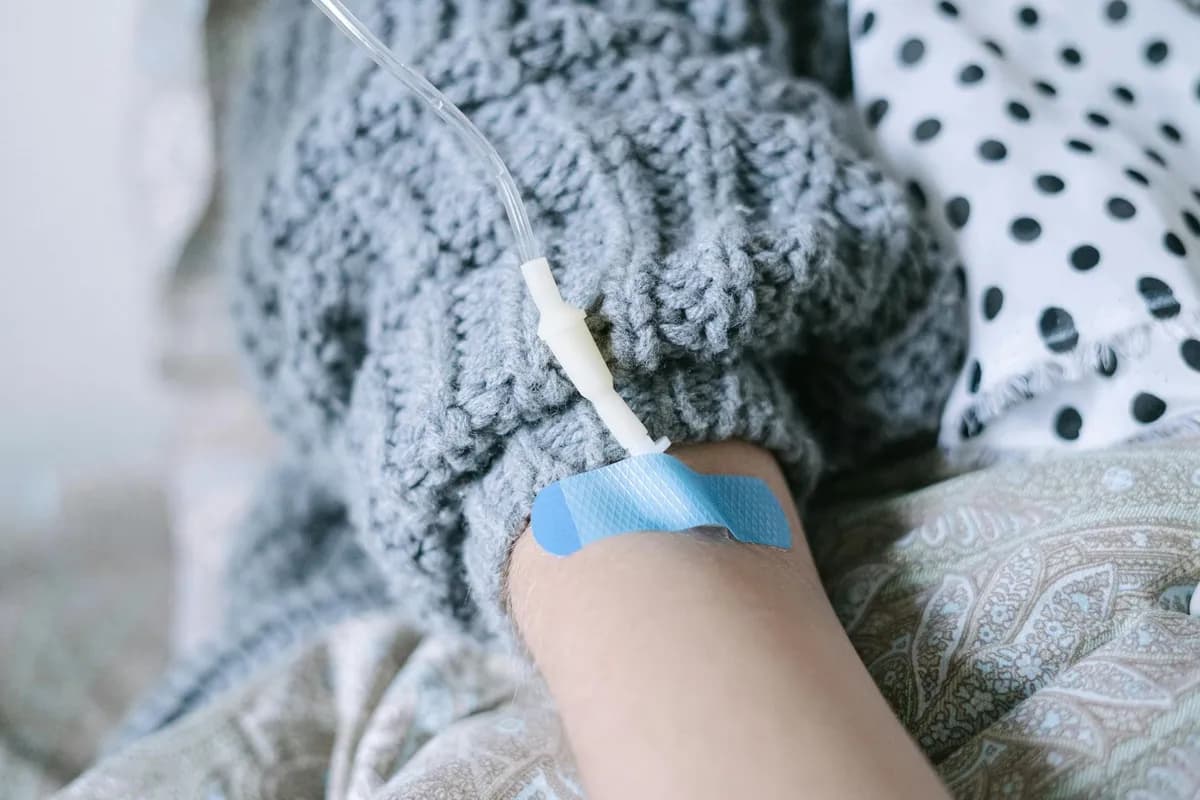
A sterile IV catheter is gently inserted, usually into a vein in your arm or hand. The site is cleaned thoroughly beforehand and secured so you can stay relaxed throughout.
The NAD+ drip starts at a low, carefully controlled rate. Going slowly is intentional and helps your body adjust while reducing the chance of nausea or chest tightness.
Your practitioner checks on you regularly throughout the infusion, adjusting the drip rate if you feel any flushing, muscle cramping, or general discomfort.
As the drip finishes, the IV line is removed and gentle pressure is applied to the site. Most people feel calm, though some notice a wave of fatigue right after.
Before you leave, your practitioner discusses hydration, rest, and how often to return based on how your body responded and what your ongoing goals are.
The Evidence
What the research actually shows about NAD+ IV therapy — and where the gaps between laboratory science and human clinical evidence remain.
Strong biochemistry, limited human trial data
NAD+ is a well-understood coenzyme with robust basic science behind it, but high-dose IV delivery for wellness and longevity in healthy adults lacks the large, independent, controlled human trials needed to confirm the outcomes often promoted.
NAD+ biochemistry is well-established, and its role in cellular energy and DNA repair is supported by decades of research. However, published, peer-reviewed, placebo-controlled trials examining high-dose NAD+ IV therapy for fatigue, cognition, or anti-aging in humans are sparse. Most available studies are small, preliminary, or conducted by practitioners with financial interests in the therapy.
The clearest human evidence for NAD+ IV use relates to alcohol and opioid withdrawal support, where some studies suggest benefit as an adjunct to standard care. Evidence for broader wellness applications — including athletic performance, cognitive enhancement, and general vitality — remains preliminary and should not be treated as equivalent to the addiction-context data.
Much of the enthusiasm for NAD+ IV therapy is extrapolated from animal studies and cell cultures showing benefits of NAD+ elevation. This is a meaningful gap: biological effects observed in controlled laboratory conditions frequently do not replicate in human clinical trials. Individual results from IV therapy cannot be reliably predicted from this foundational research alone.
As an Alternative modality, NAD+ IV therapy draws on legitimate biochemical science but is applied in ways that outpace current clinical evidence. It is not part of standard medical practice for most wellness applications. Users should weigh the plausibility of the underlying science against the absence of robust human outcome data before proceeding.
People with cardiovascular conditions, kidney or liver disease, or those taking anticoagulants should consult a qualified clinician before considering NAD+ IV therapy. Pregnant or breastfeeding individuals should avoid it without explicit medical guidance. Always verify that your practitioner is licensed, uses pharmaceutical-grade NAD+, and operates in a sterile clinical environment.
NAD+ IV therapy is offered across a wide range of settings, from licensed medical clinics to less regulated wellness centres. Look for practitioners with formal medical or nursing qualifications and experience in IV administration. Disclose your full health history and current medications, and be cautious of inflated outcome claims or pressure to commit to extended treatment packages without clear rationale.
Safety first
General guidance to help you decide whether this approach is appropriate for you. This is informational only and not a substitute for medical, psychological, or professional advice.
If you are pregnant, managing a health condition, recovering from injury or surgery, or taking medication, consult a qualified healthcare professional first.
Some situations call for extra care or a different approach. Share any conditions, injuries, or sensitivities with your practitioner before your first session.
Mild, short-lived effects such as tenderness, tiredness, or temporary soreness can occur. Rest, hydrate, and tell your practitioner how you respond.
Look for clear boundaries, transparent pricing, and practitioners who avoid fear-based claims or pressure to book frequent sessions.
For you?
A simple, human way to weigh it up. This is general guidance, not personal medical advice — a qualified practitioner can advise on your situation.
Gyfts is a discovery platform, not a medical provider. Nothing here diagnoses, treats or replaces professional care. In an emergency, contact your local emergency number.
Explore approaches
Other practices people often explore alongside nad+ iv therapy.
In their words
FAQ
NAD+ (nicotinamide adenine dinucleotide) is a coenzyme found in every cell that plays a crucial role in energy production, DNA repair, and cellular signaling. NAD+ levels naturally decline with age. Proponents of IV therapy argue that high-dose intravenous administration bypasses digestive absorption limitations and delivers NAD+ directly to cells. However, the body's ability to utilize exogenous NAD+ at the cellular level, and whether IV administration offers advantages over oral forms, remains an area of ongoing research.
There is no standardized protocol. Practitioners vary widely in their recommendations—some suggest weekly infusions initially (typically 5-10 sessions), followed by monthly maintenance; others recommend less frequent schedules. Duration depends on your goals, response, and the practitioner's philosophy. Discuss a clear plan with your practitioner and establish realistic timelines for evaluating effectiveness.
Common side effects include facial flushing, mild nausea, headache, muscle tension, and temporary fatigue. These typically resolve within hours to days. Serious adverse effects are rare but can include significant blood pressure changes, arrhythmias, or allergic reactions. Slow infusion rates help minimize discomfort. Report any severe or persistent symptoms immediately.
Some people report feeling energized or clear-headed during or immediately after the infusion. Others notice benefits gradually over days or weeks, or may not perceive subjective changes despite potential biochemical effects. Expectations should be realistic and individualized. Keep a simple log of energy, mood, and cognition to help assess personal response.
In most cases, no. NAD+ IV therapy is typically considered a wellness or anti-aging intervention and is not covered by standard health insurance. It is usually an out-of-pocket expense. If you are receiving it for addiction recovery in a medical setting, some insurance may apply—check with your provider and clinic.
Intravenous administration delivers higher concentrations directly into the bloodstream, potentially achieving levels not possible with oral supplementation due to digestive absorption limits. However, whether these higher blood levels translate to superior cellular outcomes is not definitively established. Oral forms are more convenient and affordable but may have lower bioavailability. Your practitioner can discuss which approach aligns with your goals.
In general, yes, but disclose all treatments, medications, and supplements to your NAD+ practitioner and your primary care doctor. Some interactions are possible, particularly with blood pressure medications or blood thinners. Integrating NAD+ therapy within a coordinated care plan overseen by qualified clinicians is important, especially if you have existing health conditions.
NAD+ as a pharmaceutical has limited FDA approval; it is approved in some clinical contexts (e.g., certain addiction recovery protocols) but not as a blanket anti-aging or wellness therapy. Most NAD+ IV clinics operate in a regulatory gray area, using compounded or pharmaceutical-grade NAD+ marketed as a wellness intervention rather than a drug. Verify your practitioner's compliance with local regulations and their sourcing of NAD+.
References
Educational sources that inform this overview. Inclusion is for context and does not imply endorsement.
Full citations are maintained by the Gyfts editorial team and reviewed periodically.
Keep exploring
Browse practitioners, explore honest overviews, and take what you learn to a conversation — at your own pace.